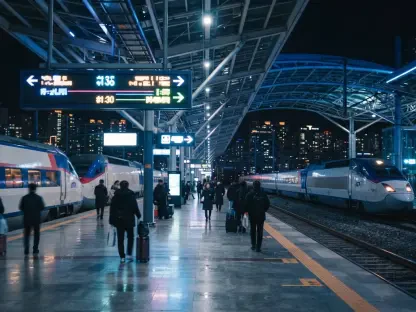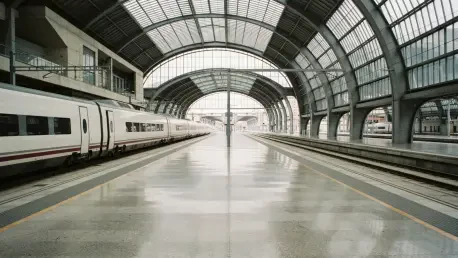

Commuter rail services in Málaga and Valencia will see reduced frequencies, complicating the daily routines of residents and the transfers of international visitors as Spain prepares for a massive mobilization on Wednesday, November 11. The atmosphere across the Iberian Peninsula is one of palpable tension and strategic planning. The nation’s most influential labor unions, the Unión General de Trabajadores (UGT) and the Comisiones Obreras (CCOO), have orchestrated this huelga general to confront a perfect storm of economic challenges. These organizations aim to spotlight the widening chasm between stagnant wage growth and a housing market that has become increasingly inaccessible for the average worker. Beyond the immediate logistical hurdles, this movement represents a significant social statement regarding the sustainability of the current economic trajectory. Residents and travelers alike are facing a day where the usual hum of commerce and transit will be replaced by a focused display of collective labor power.
Significant Disruption: Aviation and Rail Networks
To mitigate the impact of a total shutdown, the Ministerio de Transportes has stepped in to mandate minimum service levels across the aviation sector. International flight operations are projected to fluctuate between 39% and 64% of their typical capacity, creating a complex puzzle for airlines and passengers. However, flights connecting the mainland to the Balearic and Canary Islands are receiving specialized protection, with service levels maintained at up to 85% due to the critical nature of these air links for island residents. Major carriers such as Iberia have already initiated proactive communication strategies, issuing early warnings and offering flexible rebooking options to those whose travel plans fall within the strike window. This administrative intervention aims to balance the constitutional right to strike with the essential need for mobility, yet the reduction in available seats will inevitably lead to crowded terminals and prolonged wait times for those who must travel during this period.
The state-owned rail operator Renfe is bracing for a day of substantial operational constraints as its workforce joins the nationwide movement. High-speed AVE services and long-distance trains will operate at approximately 73% of their normal schedule, while medium-distance routes will see even more significant reductions. This scaling back of the rail network is particularly impactful for the business corridors connecting Madrid, Barcelona, and Seville, where thousands of passengers rely on timely transit for daily operations. Commuter services, known as Cercanías, are slated to prioritize peak travel hours at 75% capacity, but off-peak frequencies will plummet to just 50%. This creates a difficult environment for the local workforce, particularly those who do not have the option of remote work. The combination of reduced rail and bus services means that urban centers will likely see a surge in vehicular traffic as individuals seek alternative ways to navigate the city.
Social Drivers: Economics and Political Leverage
At the core of this widespread labor unrest is a deep-seated frustration with the persistent cost-of-living crisis that has gripped major Spanish cities. In regions heavily reliant on tourism, the influx of international capital has often driven property values and rental prices to heights that are no longer sustainable for the local service workforce. Labor organizers argue that the current economic model creates a paradox where those who provide the essential services for the tourism industry can no longer afford to live in the communities they support. This strike serves as a clarion call for systemic reform, demanding that wage increases keep pace with the real-world expenses of housing and energy. The narrative of the strike is built on the belief that economic growth must be inclusive, ensuring that the prosperity generated by the nation’s success is reflected in the bank accounts of the workers. This push for equity is about reshaping the future of the Spanish middle class.
The strategic timing of this mobilization adds a layer of political complexity, as it occurs just weeks before the general election scheduled for November 29. By staging a nationwide shutdown on November 11, the unions are effectively forcing labor rights and housing affordability to the forefront of the national political discourse. This high-leverage move compels candidates from all parties to address the grievances of the working population, turning economic frustration into a central campaign issue. For the current administration, the strike presents a challenge to demonstrate effective crisis management and a willingness to negotiate, while opposition parties may use the unrest to critique existing economic policies. This intersection of industrial action and electoral politics ensures that the demands of the UGT and CCOO cannot be easily ignored by those seeking office. The strike thus functions as both a logistical disruption and a powerful tool to influence the legislative agenda.
Future Readiness: Strategic Navigations for Social Transition
It is vital for both residents and visitors to understand that the disruption is not strictly confined to the 24-hour window of the huelga general. The transportation sector, particularly the rail industry, is facing a series of rolling industrial actions scheduled for November 10, 12, and 17. This indicates that the travel environment will remain volatile for over a week, requiring a higher degree of flexibility than a typical journey might demand. Travelers are encouraged to build significant logistical padding into their itineraries, as the reduction in ground transportation like taxis, buses, and metro lines could triple the time needed to reach major transit hubs. The last mile of travel—getting from an airport or train station to a final destination—will be the most unpredictable element of the trip. During this period, the reliability of schedules should be viewed with skepticism, and travelers should prepare for a cascading series of delays that could affect their entire trip.
Individuals navigating this period of uncertainty will find that staying informed through real-time digital updates is their most effective defense against chaos. They should utilize official airline applications and Renfe’s communication channels to monitor schedule changes as they happen. Furthermore, understanding the legal framework provided by EU Regulation 261/2004 is essential, as it establishes clear mandates for assistance and rerouting during such significant service interruptions. Beyond transit, the most successful travelers will coordinate directly with their accommodations to ensure that staffing shortages do not prevent them from accessing their rooms or basic services. This proactive approach allows for a more resilient travel experience despite the surrounding friction. Ultimately, the events of mid-November serve as a potent reminder that modern travel is deeply intertwined with social and economic stability. Those who prioritize flexibility will be best positioned to handle the complexities.