
Many travelers arrive in Europe anticipating the romance of cobblestone streets and magnificent historic facades, only to find their accommodation is a starkly modern, cramped, and noisy room that feels entirely disconnected from the city’s undeniable charm. This common dilemma highlights a significant gap between the beauty of a destination and the quality of the lodging experience, particularly in major, centrally located hubs where high demand often leads to exorbitant rates for less-than-inspiring spaces. A recent comprehensive analysis sought to bridge this gap by examining guest reviews from 30 of Europe’s most frequented cities. By meticulously tracking the frequency of the word “beautiful” in hotel reviews, the study has produced a definitive ranking that pinpoints the destinations where the aesthetic of the accommodation successfully matches the splendor of the surroundings, offering a more holistic and atmospheric travel experience. This data provides a new lens through which to evaluate destinations, prioritizing the places where the hotel is not just a place to sleep, but an integral part of the city’s allure.
The Definitive Ranking and Underlying Trends
The Surprising Leader and Smaller City Dominance
The analysis revealed a clear and somewhat unexpected winner, with Salzburg, Austria, emerging as the undisputed leader. An impressive 23% of its hotel reviews contained praise for their beauty, a figure that places it substantially ahead of the competition. This remarkable success is largely attributed to the city’s compact nature and its status as a premier vacation destination rather than just a bustling capital. Its hotels are designed to be part of the appeal, contributing to the overall enchanting atmosphere that draws visitors. More broadly, the findings underscored a significant trend: smaller cities consistently outperform major European capitals in providing aesthetically pleasing accommodations. This pattern suggests that in less sprawling urban environments, there is a greater emphasis on creating a cohesive experience where hotels are extensions of the city’s character. Travelers in these locations are more likely to find lodging that reflects the local charm and history, avoiding the often generic and purely functional hotels that can dominate the landscapes of larger, more commercially driven metropolises. The data points towards a travel paradigm where charm and scale are intrinsically linked, offering a roadmap for those seeking immersive beauty.
The cities that followed Salzburg in the rankings, including Venice, Kraków, and Florence, which each garnered a 14% “beautiful” rating, further reinforce the value of a strong, unified city aesthetic. These destinations are celebrated for their rich history and preserved architectural heritage, and their hotels often play a crucial role in that narrative. In Venice, palazzos are converted into luxurious stays; in Kraków, historic townhouses offer a glimpse into the past; and in Florence, Renaissance-era buildings provide an artistic backdrop. The high percentage of positive aesthetic reviews in these cities indicates that guests appreciate when their accommodation feels like a genuine part of the local fabric. This synergy between the hotel and its environment elevates the entire travel experience from a simple visit to a deep immersion. The consistency across these culturally rich, historically significant cities suggests that the most successful destinations are those that understand the importance of curating every aspect of a visitor’s stay, ensuring that the magic of the streets extends seamlessly into the private sanctuary of their hotel room, making the entire journey a beautiful one.
A Tale of Two Aesthetics Historic Grandeur vs Modern Chic
The study also illuminated the diverse interpretations of what constitutes a “beautiful” hotel, revealing a fascinating contrast between historic opulence and contemporary design. Cities such as Venice, Florence, Kraków, and Budapest are champions of the former, celebrated for their grand, historic establishments. Many of these hotels are housed in meticulously refurbished buildings, some with origins stretching back to the 1700s, offering guests an authentic connection to the past. The appeal lies in the preservation of historic details, from ornate frescoes and antique furnishings to sweeping staircases and classical facades. Even when modern amenities are integrated, the soul of the building remains intact. For instance, while rooms in some historic Italian hotels might be noted for their compact size, a consequence of adapting ancient structures, guests consistently overlook this in favor of the unparalleled atmosphere and artistic interiors. In these cities, beauty is synonymous with history, and a stay in one of these hotels is akin to living within a work of art, providing a deep sense of place that a modern building simply cannot replicate.
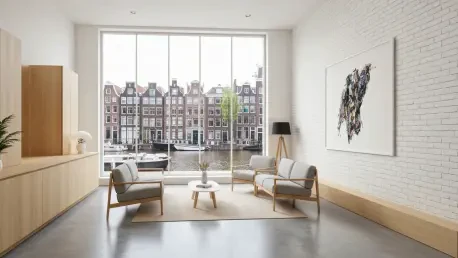
In stark contrast, destinations like Helsinki and Amsterdam have carved out a reputation for a different, yet equally compelling, aesthetic that masterfully blends modern minimalism with historic flair. Helsinki’s hotels, which helped the city secure a 10% rating, are frequently characterized as hyper-clean, chic, and serving as a perfect introduction to sophisticated Scandinavian design. Here, beauty is found in clean lines, functional elegance, natural materials, and an uncluttered sense of tranquility. These spaces prioritize light and simplicity, offering a calming retreat from the urban environment. Amsterdam, which achieved a 13% rating, presents a slightly different fusion. Its renowned boutique hotels, often situated in traditional canal houses, expertly mix contemporary art and design with preserved historical elements. This creates a dynamic and stylish environment where the old and new engage in a compelling dialogue. This approach demonstrates that a “beautiful” hotel experience is not confined to one style; it can be achieved through both the careful preservation of the past and the thoughtful execution of modern design principles, catering to a wide range of traveler tastes.
Navigating Beauty Budget and Value
The Price of Boutique Charm
While the desire for a beautiful hotel is universal, the study makes it clear that in certain cities, this experience comes with a significant price tag. In destinations like Dublin and Barcelona, both of which scored a 10% “beautiful” rating, securing a room in an aesthetically pleasing boutique hotel often requires a considerable financial investment. These cities are major tourist hubs with high demand, and properties that offer unique character, central locations, and beautiful design are priced at a premium. Consequently, travelers on a more modest budget may find themselves relegated to more affordable options that are typically modern, functional, and situated outside the immediate city center. This creates a distinct trade-off for visitors, forcing them to choose between aesthetic appeal, location, and cost. The challenge in these cities is finding the sweet spot where charm and affordability intersect, a task that often requires extensive research and booking well in advance. The data suggests that while beauty is attainable in these popular locations, it is frequently positioned as a luxury good rather than a standard feature, shaping the travel experience based on financial capacity.
The economic dynamics in high-demand cities like Dublin and Barcelona directly influence the accessibility of beautiful accommodations, creating a tiered system for travelers. The most coveted properties—those in historic buildings, with bespoke interiors and prime locations in vibrant neighborhoods like the Gothic Quarter in Barcelona or near Trinity College in Dublin—are in limited supply. This scarcity, combined with immense tourist traffic, naturally drives up their rates, placing them in the upper echelon of the market. As a result, the majority of the hotel inventory, particularly that which is developed to meet mass-market demand, prioritizes efficiency and capacity over character. These larger, often chain-operated hotels provide clean and reliable lodging but rarely evoke the “beautiful” descriptor that travelers seek. For many visitors, the experience becomes a compromise: stay in a less inspiring hotel to be central or accept a longer commute from a more affordable, yet generic, hotel on the outskirts. This reality underscores that in Europe’s top-tier tourist destinations, the pursuit of a truly beautiful and immersive stay is often an exercise in navigating a competitive and costly real estate market.
Exceptional Value and Variety
Defying the trend that beauty must come at a high price, some cities stand out for their ability to offer a diverse range of attractive accommodations that cater to various tastes and budgets. Lisbon, which received a 9% rating, is a prime example of this versatility. The Portuguese capital boasts a wide spectrum of choices, from luxurious five-star hotels in historic palaces to charming and affordable guesthouses in the Alfama district. This variety ensures that travelers do not have to sacrifice aesthetic quality for the sake of their budget. What further distinguishes Lisbon is its reputation for excellent customer service, which enhances the overall experience and contributes to highly positive guest reviews. The city’s lodging landscape is dynamic and creative, with many properties reflecting the vibrant, artistic spirit of Lisbon itself. Whether a traveler is seeking opulent grandeur, bohemian chic, or modern minimalism, Lisbon provides beautiful options across the board, making it an exceptionally accessible destination for those who prioritize the look and feel of their accommodation without wanting to compromise on value. This balance of choice, quality, and cost makes it a standout performer in the European market.
At the pinnacle of value for money is Budapest, which, despite a 9% rating, is highlighted as offering an unparalleled combination of grandeur and affordability. The Hungarian capital provides travelers with the opportunity to stay in magnificent, historic hotels that would command a much higher price in other major European cities. Its imperial past is reflected in its architecture, and many of its finest hotels are housed in grand, turn-of-the-century buildings that have been beautifully restored to offer both historic charm and modern comfort. Here, travelers can experience a level of opulence—complete with ornate lobbies, spacious rooms, and elegant furnishings—without the hefty price tag typically associated with such properties. This exceptional value proposition makes Budapest a particularly attractive destination for those who dream of a luxurious and beautiful European hotel experience but are constrained by a budget. The city proves that aesthetic quality and historical significance do not have to be exclusive, offering a truly democratic approach to beautiful travel and solidifying its reputation as a place where every visitor can feel like they are staying in style.
A New Criterion for Travel Planning
Ultimately, the analysis provided a compelling new framework for evaluating travel destinations. It shifted the focus from merely the sights and sounds of a city to the complete sensory experience, in which accommodation played a pivotal role. The findings demonstrated that a “beautiful” hotel was not just an incidental part of a trip but a crucial component that could either enhance or detract from the overall journey. Cities that ranked highly did so because they offered a cohesive aesthetic where the lodging felt like an extension of the destination’s unique character, whether through historic preservation or thoughtful modern design. This deeper integration created a more immersive and memorable experience for visitors. The study concluded that the quest for beauty in accommodation was, in fact, a search for a more meaningful connection to a place, suggesting that future travel planning could benefit from prioritizing this atmospheric harmony alongside traditional metrics like location and price.