
Katarina Railko brings a wealth of expertise from the travel and tourism sectors, establishing herself as a leading voice in hospitality and commercial real estate development. With a specialized focus on large-scale entertainment events, expos, and high-end conferences, she has mastered the art of creating spaces that serve both functional business needs and elevated leisure experiences. In this discussion, we explore the strategic vision behind The Brandywine, a new boutique property in Radnor, Pennsylvania, that aims to redefine luxury on the Main Line through sophisticated design and bold culinary concepts.
The design approach for this new property blends nostalgic charm with modern convenience to create a sense of relaxed sophistication. How do you translate that specific aesthetic into tangible interior choices, and what sensory details are most effective in making a space feel both calm and welcoming?
Translating “relaxed sophistication” into a physical environment requires a meticulous selection of materials that bridge the gap between historical warmth and contemporary clean lines. At The Brandywine, we achieve this by utilizing a palette of soft hues and natural textures that evoke a sense of nostalgic charm while maintaining a high-end feel. For a space to truly feel welcoming, we focus on sensory details like the tactile quality of the linens and the visual serenity of the lush landscapes visible through large windows. By incorporating these natural elements, we ensure the 121-room property feels like a personal sanctuary rather than a standard commercial building, allowing guests to immediately decompress upon entry.
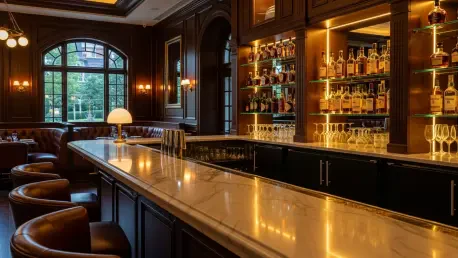
Merrick’s Tavern focuses on regional American classics and spirits like bourbon, while the Pomelo Rooftop offers an apothecary-inspired cocktail program. How do these two distinct dining concepts work together to attract different crowds, and what specific operational steps ensure the rooftop remains a year-round destination?
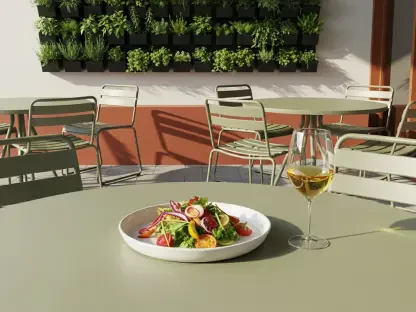
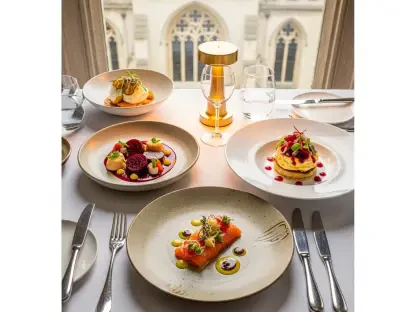
These concepts are designed to act as two different “vibes” within a single ecosystem, catering to the diverse needs of locals and travelers. Merrick’s Tavern serves as the grounded, approachable heart of the hotel, leaning into a deep affection for bourbon and rye to attract the after-work office crowd and those seeking a refined yet casual dinner. In contrast, the Pomelo Rooftop Terrace targets a more energetic social demographic, offering a globally inspired menu and nature-rooted cocktails that make it a standout destination for sunset gatherings. To maintain its status as a year-round venue in Pennsylvania’s climate, we have integrated structural and operational flexibility, ensuring the transition from a breezy summer lounge to a cozy, climate-controlled winter retreat is seamless for our guests.
This hotel is situated within a large footprint of office and lab spaces near major universities and healthcare campuses. How does proximity to these specialized industries shape your service model, and what specific amenities have you included to cater to the unique needs of business and academic travelers?
Being part of a 2.1 million-square-foot commercial ecosystem means our service model must be as efficient as it is hospitable. We understand that academic and healthcare travelers often operate on unconventional schedules, so we have positioned the hotel as an “amenity-rich” extension of their workspace, located just minutes from the SEPTA regional rail station. We offer flexible event spaces and thoughtfully appointed rooms that allow for deep focus, while our signature dining concepts provide the perfect backdrop for high-stakes business dinners or casual academic networking. By integrating Marriott Bonvoy perks with the specific demands of the Radnor business community, we provide a seamless bridge between a high-pressure workday and a restorative evening.
Guest rooms frequently include private outdoor patios and views of lush landscapes to provide a sense of solitude. What are the specific design challenges of integrating these private outdoor spaces into a boutique hotel, and how do these features impact the overall guest experience compared to traditional room layouts?
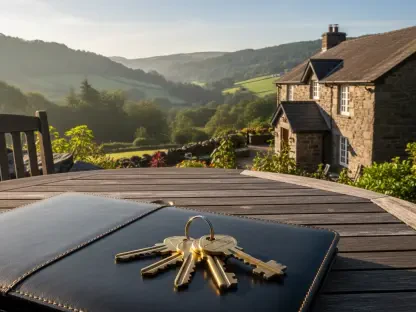
The primary challenge lies in balancing the privacy of the individual guest with the architectural integrity and security of the building. Traditional boutique layouts often maximize indoor square footage, but we chose to prioritize the outdoor connection by including suites with private patios that overlook the surrounding greenery. This design choice dramatically shifts the guest experience from feeling “contained” to feeling “connected” to the environment, fostering a deep sense of solitude that is rare in suburban hotel settings. These patios act as an emotional reset button, offering a luxury of space and fresh air that elevates a standard overnight stay into a genuine retreat.
With the FIFA World Cup and the PGA Championship coming to the region in 2026, demand for high-end lodging will likely spike. What logistical preparations are necessary to handle such massive international events, and how does a boutique property maintain its intimate character when the local area is at peak capacity?
Preparing for massive global events like the FIFA World Cup and the 2026 PGA Championship requires rigorous logistical planning, from streamlining our check-in processes to scaling our food and beverage operations at Merrick’s and Pomelo. We are positioning The Brandywine as a serene alternative to the chaotic city center, offering international travelers an immersive, high-end stay just minutes from the action in Philadelphia. To maintain our intimate character during these peak times, we focus on personalized service touchpoints and exclusive “Elite” status recognition that ensures every guest feels seen despite the high volume of visitors in the region. Our goal is to serve as a quiet harbor for guests who are spending their days at high-energy stadiums or crowded tournament grounds.
Being part of the Tribute Portfolio allows a property to maintain its local character while providing global loyalty benefits. How do you balance a unique neighborhood personality with the high standards expected by international travelers, and what metrics do you use to evaluate the success of this hybrid approach?
The beauty of the Tribute Portfolio is that it encourages us to highlight the distinct style of the Main Line rather than hiding it behind a corporate template. We balance this by ensuring that while our design and culinary programs are fiercely local, our service standards and loyalty rewards meet the strict global benchmarks of the Marriott Bonvoy program. We evaluate our success through a mix of guest satisfaction scores and the rate of Bonvoy point redemption, which tells us if we are attracting the “road warrior” traveler who craves authenticity. When a guest tells us they feel like they are staying in a boutique neighborhood gem but still enjoy the reliability of their elite benefits, we know we have hit the mark.
What is your forecast for the evolution of boutique hospitality on the Main Line over the next decade?
I believe the next decade will see a significant shift toward “lifestyle-integrated” hospitality, where hotels are no longer just places to sleep but are the primary social and professional hubs for their communities. On the Main Line, we will see a move away from generic luxury in favor of properties that offer specific, curated identities—much like how we are blending apothecary-inspired mixology with regional American tavern culture. The Brandywine is at the forefront of this trend, proving that a hotel can successfully serve as an office amenity, a local culinary destination, and a luxury retreat all at once. As the region continues to host major international events, the demand for these multifaceted, character-driven spaces will only grow, setting a new standard for suburban development.