
The skyline of downtown San Antonio has undergone a dramatic transformation with the arrival of a structural masterpiece that balances contemporary luxury with the city’s deep-rooted historical essence. Rising 17 stories above the pavement, The Monarch San Antonio has officially debuted as a $185 million addition to the Curio Collection by Hilton, signaling a bold new chapter for the urban core. This development represents far more than an increase in room inventory; it serves as a high-stakes investment in the cultural and economic vitality of the district, effectively bridging the spatial and symbolic gap between the hallowed grounds of the Alamo and the energetic pulse of the River Walk.
A New Wingspan for San Antonio’s Skyline
The arrival of this property marks a pivotal moment for local hospitality, as it introduces an upscale sanctuary that reflects the city’s evolving identity. Owned and operated by the local firm Zachry Hospitality, the project is a testament to the power of regional investment in creating landmarks that resonate with both residents and global travelers. By situating such a significant development within the Hemisfair District, the creators have ensured that the hotel acts as a catalyst for further growth in the heart of the city.
This 17-story tower does not merely occupy space; it commandingly redefines the visual narrative of the downtown area. Its presence suggests that San Antonio is no longer just a destination for historical tourism but a burgeoning hub for sophisticated modern living. The investment reflects a strategic belief that high-end hospitality can coexist with historic preservation, providing a gateway for guests to explore the rich tapestry of the surrounding neighborhoods while enjoying world-class accommodations.
Revitalizing the Historic Hemisfair District
The opening of the hotel serves as a cornerstone for the ongoing evolution of the Hemisfair area, a site once defined by the 1968 World’s Fair and now reimagined as a modern urban oasis. This project aligns with the global trend of “placemaking,” where luxury developments are meticulously designed to enhance public spaces rather than sequestering themselves from the community. By integrating seamlessly into the surrounding parkland, the property addresses a growing demand for travel experiences that feel authentically connected to the local environment.
The Hemisfair District is currently witnessing a renaissance that prioritizes green space, walkability, and communal interaction. The hotel plays a vital role in this ecosystem, drawing visitors into a district that was once underutilized. This revitalization efforts ensure that the area remains a vibrant destination for future generations, blending the nostalgia of its storied past with the energy of a forward-thinking metropolitan center.
The Architecture of Metamorphosis
The design identity of the property, a collaborative effort between Overland Partners and The Gettys Group, is deeply anchored in the migratory journey of the monarch butterfly. This theme of metamorphosis is physically manifested through striking vertical wood ribbons and sculptural arches in the lobby that mimic the organic forms found in nature. Each floor follows a curated narrative symbolizing a different stage of the butterfly’s life cycle, creating a sense of progression and discovery as guests move throughout the building.
The 200 guestrooms, which include 28 expansive suites, are engineered to prioritize natural light and provide direct views of the adjacent park. To elevate the guest experience, the interiors feature high-end touches such as Sferra Italian linens and Niven Morgan bath products. This focus on sensory details ensures that the transition from the bustling city outside to the serenity of the room feels like a personal evolution, mirroring the very theme of transformation that defines the hotel’s aesthetic.
Culinary Innovation and Holistic Wellness
Under the seasoned leadership of Executive Chef Jae H. Lee, the hotel introduces a sophisticated dining landscape that challenges the traditional hotel restaurant model. The ground-floor venue, Oak & Amber, provides a foundational culinary experience focused on refined flavors and local ingredients. In contrast, the rooftop destination, Aleteo, offers Yucatán-inspired cuisine paired with panoramic views of the skyline, creating a high-altitude social hub that captures the spirit of the region.
Wellness is treated with equal importance, positioning the property as a premier destination for health-conscious travelers. The full-service spa features hydrothermal experiences and infrared saunas designed to promote deep relaxation and recovery. Additionally, the fitness studio utilizes neuroactive training technology, offering a modern approach to physical well-being that goes beyond standard gym equipment. This holistic focus ensures that guests leave the property feeling replenished in both body and mind.
Bridging Hospitality with Public Art and Strategy
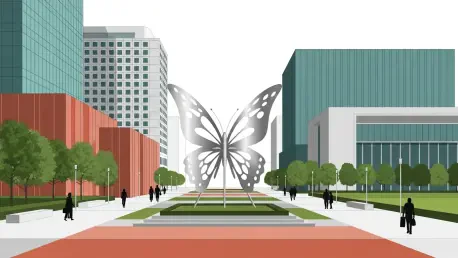
To fully appreciate the integration of the development into the urban fabric, one must look toward “La Mariposa,” a $2 million public art installation that serves as a physical anchor between the hotel and the park. This massive sculpture acts as a beacon for the community, inviting passersby to engage with the space and reinforcing the hotel’s commitment to public accessibility. It stands as a reminder that modern luxury can, and should, contribute to the aesthetic wealth of the city at large.
For those looking to the future of San Antonio, the property offers a blueprint for how private enterprise can support public goals. With 15,000 square feet of flexible event space, including the 5,000-square-foot Meridian Ballroom, it provides a sophisticated venue for the next generation of business and social gatherings. This strategic blend of private comfort and public engagement ensured that the project honored regional heritage while driving an ambitious, future-facing urban development strategy.