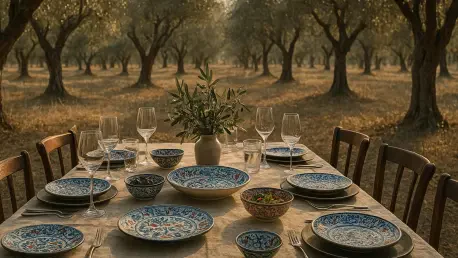

The silhouette of the Turkish coastline is undergoing a metamorphosis that replaces the familiar neon glow of budget resorts with the understated elegance of private cloisters and Michelin-starred dining rooms. This structural evolution represents a calculated departure from the high-volume models of the past, signaling a new era where quality of experience and economic density take precedence over mere arrival numbers. As travelers from the global elite seek more than just a sun-drenched holiday, the nation is responding with a sophisticated blend of heritage, sustainability, and ultra-modern infrastructure. The result is a travel destination that no longer competes on price but thrives on the exclusivity and restorative luxury that only a bridge between two continents can provide.
The narrative of Turkish travel was once defined by its affordability, but the current landscape tells a story of significant value appreciation. Currently, the national tourism receipts have surged to an unprecedented $56.3 billion, a figure that highlights the success of a state-led pivot toward higher spending per visitor. This economic milestone is underpinned by a rise in average per-visitor expenditure to $972, reflecting a demographic shift toward travelers who prioritize bespoke services and premium amenities. By focusing on these metrics, the tourism sector has effectively decoupled its financial health from the volatility of mass-market trends, ensuring that the beauty of the Anatolian landscape is preserved through lower-density, higher-margin operations.
The End of the “Budget Destination” Era
The transition away from the “all-inclusive” mass-market stereotype has been both swift and deliberate. While the all-inclusive model remains a staple of the Mediterranean, it has been radically elevated to meet the demands of a more discerning clientele. High-end resorts in 2026 now emphasize “restorative luxury,” a concept that integrates traditional Turkish hospitality with modern bio-hacking wellness treatments, farm-to-table gastronomy, and private architectural seclusion. This evolution ensures that even the large-scale properties operate with a boutique sensibility, offering personalized itineraries that move beyond the confines of the resort walls. Consequently, the “Turkish experience” is being redefined as a journey of cultural depth rather than just a convenient seaside escape.
Financial data supports this transition, as the record-breaking $56.3 billion in receipts was achieved even as global travel patterns became more selective. This success is not accidental; it is the product of a nationwide strategy to attract the “quality tourist.” These are individuals who contribute more to the local economy through their interest in fine dining, historical exploration, and luxury shopping. By moving the focus from “how many people arrive” to “how much value is generated,” the industry has created a more sustainable economic cycle that benefits local artisans, high-end service providers, and the overall national treasury.
Furthermore, the physical infrastructure of the nation has adapted to this high-yield reality. The proliferation of five-star certifications across the 21,900 registered accommodation establishments shows a clear trend toward premiumization. Rather than building more rooms, developers are now focusing on larger room sizes, private pools, and dedicated concierge services. This shift has allowed the industry to command higher Average Daily Rates, positioning Türkiye as a formidable competitor to traditional luxury heavyweights in Western Europe. The emphasis is now on the longevity of the guest relationship, where the value of a single stay is measured in its cultural impact and economic contribution.
Why the High-Yield Shift Matters: A Strategic Economic Pivot
The pivot toward high-net-worth individuals is a strategic move designed to build long-term economic resilience. In a global economy characterized by shifting currencies and varying consumer confidence, the luxury sector tends to remain the most stable. By attracting the global elite, Türkiye is insulating its tourism industry from the boom-and-bust cycles associated with budget travel. This resilience is further bolstered by state-led investment programs that provide tax reliefs and utility discounts specifically for developers who meet high-yield criteria. These incentives have paved the way for international premium hotel brands to expand their footprint, bringing with them a global standard of excellence and a loyal, high-spending guest base.
Environmental stewardship has also become a non-negotiable component of this new tourism model. Aligning with Global Sustainable Tourism Council (GSTC) standards is no longer just a trend but a regulatory cornerstone. High-yield travelers increasingly demand that their presence does not degrade the natural beauty they came to see. In response, new developments are subjected to strict low-density zoning, ensuring that the Mediterranean and Aegean coastlines are not overbuilt. This commitment to sustainability is reflected in the nation’s rank as third globally for Blue Flag beaches, a status that serves as a powerful marketing tool for attracting environmentally conscious luxury seekers.
Moreover, the regulatory landscape has been updated to facilitate a low-density development model that prioritizes environmental protection over rapid expansion. New luxury concessions are often restricted to using only 15% to 20% of their land for building, leaving the rest for natural landscaping and ecological preservation. This approach not only enhances the aesthetic appeal of the resorts but also ensures that the “luxury” being sold includes the luxury of space and clean air. By intertwining economic growth with environmental integrity, the nation is securing its position as a forward-thinking leader in the global travel market, proving that luxury and sustainability are not mutually exclusive.
Mapping the New Landscape: A Journey through Opulence
The Aegean Riviera, centered around İzmir, has become the premier sanctuary for those seeking a lifestyle of “organic luxury.” In areas like Urla and Alaçatı, the focus is on a sophisticated blend of gastronomy and viticulture. The region has gained international acclaim through Michelin-recognized dining experiences that utilize the rich agricultural output of the surrounding countryside. Boutique vineyard stays have become the hallmark of this region, where guests can enjoy world-class wines in secluded estates that feel more like private homes than hotels. This Aegean model represents a quiet, refined luxury that appeals to the intellectual traveler who values authenticity and slow-living.
In contrast, the Black Sea region, anchored by Trabzon, is developing a nature-luxe frontier that offers a completely different sensory experience. Known for its lush green highlands and misty mountain passes, this area is attracting the global elite who are looking for cooler climates and a connection to the wild. The development of high-altitude chalets and eco-friendly lodges provides a level of seclusion that is increasingly rare in more traditional tourist hubs. By focusing on high-end nature retreats, the Black Sea is positioning itself as the “Switzerland of the East,” offering bespoke trekking, highland spas, and a level of tranquility that is highly prized by travelers from the Gulf and Europe alike.
Istanbul remains the perennial heart of this luxury ecosystem, serving as a bridge between the ancient and the avant-garde. The city’s waterfront has been transformed by the revolutionary Galataport project, which has integrated a state-of-the-art cruise terminal with high-end retail and cultural spaces. This development has made the Bosphorus shoreline more accessible to mega-yachts and luxury liners, creating a seamless transition from the water to the city’s palace hotels. Meanwhile, Bodrum continues to maintain its crown as the superyacht capital of the Turquoise Coast. With infrastructure capable of hosting the world’s largest mega-yachts, Bodrum has become a playground for the international jet set, offering secluded, eco-conscious villas that provide total privacy amidst stunning natural scenery. Finally, Antalya is elevating the Mediterranean resort model by focusing on championship golf and elite sports conditioning, ensuring its appeal extends far beyond the traditional summer season.
Expert Insights into Sectoral Drivers: The Growth Engines
One of the most potent drivers of this high-yield transformation is the $2.3 billion medical and wellness sector. Türkiye has emerged as a global powerhouse in health tourism, attracting over 1.5 million travelers annually who seek world-class medical procedures combined with luxury recuperation. These visitors typically spend significantly more than the average tourist, as their stays are often longer and involve specialized care. With over 50 JCI-accredited facilities, the nation offers a level of medical excellence that, when paired with the restorative power of thermal spas in regions like Afyon, creates a unique wellness proposition that is difficult to replicate elsewhere.
Nautical economics also play a vital role, contributing approximately $1.4 billion to the annual tourism revenue. The “Blue Cruise” and the superyacht industry are not just about the vessels themselves; they are about the entire ecosystem of services that support them. From high-end provisioning and marina fees to onshore spending at luxury boutiques and waterfront restaurants, the maritime sector is a high-yield engine that creates a high density of wealth in coastal provinces. The modernization of marinas in Fethiye and Göcek has ensured that Türkiye remains a preferred destination for the world’s most expensive yachts, further solidifying its status as a luxury maritime sanctuary.
The MICE (Meetings, Incentives, Conferences, and Exhibitions) sector serves as another critical pillar, generating $8.7 billion in revenue. By hosting international congresses and major corporate events, the nation captures a demographic of business travelers whose daily expenditure is roughly three times that of a leisure traveler. This sector is particularly valuable because it drives high-yield traffic during the shoulder and off-peak seasons, ensuring that luxury hotels maintain high occupancy rates year-round. Similarly, the real estate synergy created by branded residences and investment programs has funneled over $6 billion in foreign direct investment into the economy. These programs not only bring in capital but also create a community of semi-permanent residents who contribute to the luxury economy through ongoing consumption.
Strategies for Success: Navigating the Luxury Ecosystem
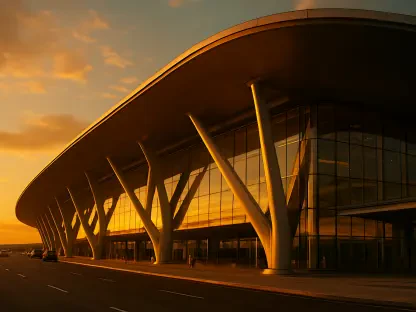
Maximizing regional connectivity is essential for sustaining this luxury growth, and the expansion of Istanbul Airport has been a game-changer. As a global hub, it provides seamless access for high-net-worth individuals from the United States, Asia, and the Middle East. However, the true strategy lies in the development of regional hubs. Direct international flights into İzmir, Bodrum, and Trabzon have reduced travel friction, allowing guests to reach their secluded retreats without the need for lengthy transfers. This logistics-first approach ensures that the “luxury” experience begins the moment a traveler enters the country’s airspace, with VIP terminals and private jet facilities becoming standard across the nation’s key gateways.
Identifying and promoting “value-add” experiences is another key strategy for operators within this ecosystem. The modern luxury traveler is no longer satisfied with just a beautiful room; they seek cultural enrichment and bespoke itineraries. This might involve a private tour of Ephesus at sunset, a boutique vineyard stay with a master sommelier, or a helicopter tour of the Black Sea highlands. By leveraging these unique cultural assets, the industry is able to create “once-in-a-lifetime” moments that justify premium pricing. These experiences also help to distribute wealth across different regions, ensuring that the economic benefits of luxury tourism are felt beyond the major urban centers.
Finally, embracing the seasonal shift is crucial for maintaining a year-round high-yield economy. Türkiye is moving away from being a “summer-only” destination by promoting its diverse climate and geographic assets. Thermal spas in the winter, skiing in the Taurus Mountains, and cultural festivals in the spring and autumn ensure that the luxury infrastructure is utilized throughout the year. Investment incentives specifically target these year-round models, providing tax breaks for projects that include thermal facilities or indoor sports centers. This strategy not only increases the return on investment for developers but also provides a stable, high-quality career path for the thousands of professionals who staff these luxury properties, ensuring that the high standard of service is maintained regardless of the month on the calendar.
The transformation of the Turkish tourism sector represented a profound shift in national strategy that favored the quality of the visitor over the quantity of arrivals. Authorities and private investors successfully cooperated to build an infrastructure that respected the delicate balance between high-end development and environmental preservation. These efforts ensured that the unique cultural heritage of Anatolia remained protected while becoming accessible to a global elite who valued authenticity. The move toward a high-yield model provided the necessary capital to modernize the nautical and medical sectors, which in turn fostered a more resilient economic foundation for the country. By prioritizing sustainability and bespoke luxury, the industry moved away from outdated volume-based metrics and embraced a future where value was the primary driver of success. This systematic evolution proved that a nation could effectively reinvent its global identity by aligning its natural assets with the sophisticated demands of the modern luxury market. Looking forward, the continued refinement of this luxury ecosystem provided a blueprint for other nations seeking to balance economic growth with cultural and ecological integrity. The focus transitioned toward deeper integration of technology in guest services and the further expansion of regional luxury niches, ensuring that the Turkish travel experience remained at the forefront of global excellence. Consequently, the tourism landscape matured into a diverse and profitable sanctuary that honored its past while leading the way into a new era of opulent and responsible travel.