
The often-stressful experience of navigating airports with children or trying to maintain a healthy lifestyle while traveling is set to undergo a significant transformation under a new federal push. The U.S. Department of Transportation has officially launched a national campaign, aptly named “Make Travel Family Friendly Again,” aimed at thoroughly overhauling the airport environment to better serve these passengers. U.S. Transportation Secretary Sean Duffy introduced the ambitious federal initiative, powerfully supported by $1 billion in grant funding specifically allocated for the 2026 fiscal year to facilitate necessary airport upgrades. This substantial financial backing originates from the Airport Terminal Program, a crucial component established by the landmark Infrastructure Investment and Jobs Act. The allocation of these funds will be managed through a rigorous, competitive grant process overseen by the Federal Aviation Administration, ensuring that the most impactful and well-conceived projects receive the support they need to come to fruition and address long-standing travel frustrations.
A New Vision for Air Travel
Funding and Federal Backing
The billion-dollar investment represents a dedicated effort to modernize terminal facilities with a specific focus on human-centric design. The funding stream, authorized by the Bipartisan Infrastructure Law, is not merely for general repairs but is targeted at projects that align with the campaign’s goals of enhancing the passenger experience. Transportation Secretary Sean Duffy, in announcing the program, emphasized that the initiative is about making practical, noticeable improvements that directly impact the quality of a traveler’s journey. The Federal Aviation Administration (FAA) has been tasked with developing the criteria and managing the competitive grant application process, which will prioritize airports that demonstrate a clear commitment to the new family-friendly and wellness standards. This structured approach is designed to foster innovation among airport authorities, encouraging them to think beyond conventional terminal design and consider amenities that cater to the evolving needs of the modern traveler, thereby setting a new national standard for airport infrastructure.
From Nursing Suites to Fitness Zones
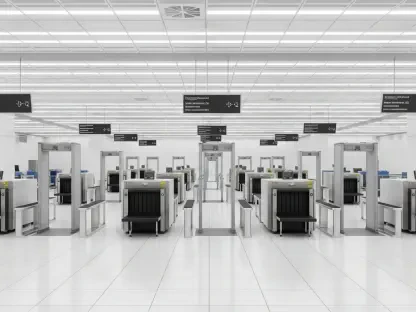
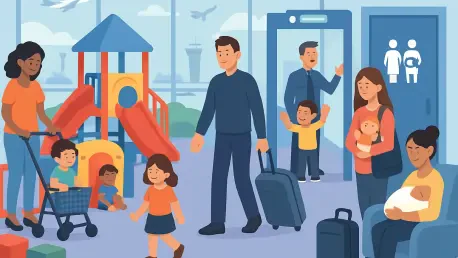
At the heart of the “Make Travel Family Friendly Again” campaign is a detailed proposal for new amenities designed to alleviate common travel-related stress points. The initiative strongly encourages the development of dedicated nursing suites, offering private and sanitary spaces for parents, and special family security lanes to expedite the often-chaotic screening process for those with young children. Beyond family needs, the program champions a new focus on passenger wellness. This includes pushing for a wider availability of healthier food choices in terminal concessions and, more uniquely, the integration of in-terminal fitness areas. These wellness zones are envisioned to include equipment such as treadmills and pull-up bars, allowing travelers to stay active during layovers. Underscoring this commitment, the announcement featured a symbolic pull-up contest between Secretary Duffy and Health and Human Services Secretary Robert F. Kennedy Jr., whose presence highlighted the initiative’s strong emphasis on public health and well-being.
Industry Response and Future Outlook
Widespread Support and Lingering Concerns
The announcement has been met with a largely positive reception from aviation industry stakeholders, who see the funding as a vital and timely investment in the nation’s airport infrastructure. Groups such as Airports Council International–North America have praised the initiative, viewing it as an opportunity to address passenger needs that have long been overlooked in terminal planning and development. However, the proposal is not without its critics. Some industry analysts have raised concerns that the $1 billion in grants, while significant, may not be sufficient to address more fundamental and pressing issues facing many airports. These underlying problems include persistent staffing shortages that lead to long lines and service delays, as well as the need for extensive repairs to core infrastructure like runways, taxiways, and baggage handling systems. The debate centers on whether these specialized, family-focused upgrades should take precedence over more foundational operational needs.
Application Priorities and Broader Goals
To secure a portion of the available funds, airport authorities must submit detailed proposals by the March 2026 deadline. The Department of Transportation has made it clear that it will prioritize applications that skillfully integrate the campaign’s core family and health elements while also contributing to enhanced overall accessibility and terminal efficiency. This means projects that simply add a new feature without considering its impact on passenger flow or accessibility for individuals with disabilities are less likely to be successful. The initiative is a key component of the Trump administration’s broader focus on making tangible enhancements to the American air travel experience. By incentivizing these specific upgrades, the program aims to not only improve individual journeys but also to elevate the global competitiveness of U.S. airports, transforming them from mere transit hubs into more comfortable, accommodating, and health-conscious environments for millions of passengers.
A Foundation for Future Journeys
The initiative’s launch marked a pivotal moment in the ongoing conversation about the role of public infrastructure in daily life. By allocating substantial federal resources toward amenities that prioritize family needs and personal wellness, the administration signaled a clear shift in how airport environments were perceived and valued. The program sought to redefine the passenger experience, moving it away from a model of simple utility and toward one that actively supported the well-being of travelers. This focus on human-centric design, backed by a competitive grant process, encouraged a new wave of innovation among airport operators. The resulting upgrades were intended not just as isolated improvements but as integral parts of a more thoughtful and cohesive travel ecosystem, setting a new precedent for what passengers could expect from their journey through the nation’s airports.