
Tanzania’s tourism sector has undergone a profound transformation, evolving from a recovering industry into one of East Africa’s most compelling success stories. This remarkable turnaround, witnessed between 2021 and 2024, was not a product of chance but the outcome of a meticulously planned and executed national strategy. At the core of this revival was proactive government intervention, spearheaded by the administration of President Samia Suluhu Hassan. A holistic growth model was implemented, designed to captivate both international and domestic travelers simultaneously, thereby creating a robust and resilient industry. This success is not attributed to a single initiative but rather to a deliberate, multi-pronged approach that skillfully integrated high-impact marketing, substantial infrastructure development, and strategic economic diversification, collectively propelling the nation into the upper echelon of premier global travel destinations.
Strategic Leadership and Global Marketing
A pivotal catalyst in this tourism renaissance was a series of high-impact promotional initiatives driven directly by the nation’s highest office. The documentary “Royal Tour” emerged as a masterstroke in public relations, uniquely featuring President Hassan herself guiding viewers through Tanzania’s spectacular natural and cultural treasures. This unprecedented move provided an authentic, high-profile invitation to the world, offering a personal glimpse into the country’s rich heritage and stunning landscapes. It effectively transcended conventional marketing, creating a powerful narrative that captured global attention and fostered a tangible desire for firsthand experience. This innovative approach was further reinforced by the “Amazing Tanzania” documentary, which deepened the world’s appreciation for the nation’s diverse offerings, from its abundant wildlife to its vibrant cultural tapestry, cementing its image as a destination of unparalleled depth and beauty.
The success of these strategic promotional efforts translated directly into impressive and measurable results, providing clear quantitative evidence of their global resonance. The number of international tourist arrivals surged by a phenomenal 132.1%, escalating from 922,692 in 2021 to an impressive 2,141,895 by 2024. According to Dr. Ashatu Kijaji, the Minister for Natural Resources and Tourism, this dramatic influx serves as a direct metric of the growing global interest ignited by the government’s targeted campaigns. These figures are not merely statistics; they represent a significant shift in international travel patterns and underscore the effectiveness of a leadership-driven vision. The data confirms that the world was not only watching but was also responding, converting media impressions into booked flights and tangible economic activity, thereby validating the strategic pivot towards high-profile, personalized marketing.
Fostering a Resilient Domestic Market
In parallel to the international boom, Tanzania cultivated an equally dramatic, if not more explosive, growth trend within its own borders. The domestic tourism segment experienced an expansion of over 300%, with the number of local tourists visiting national attractions skyrocketing from 788,933 in 2021 to 3,218,352 in 2024. This internal flourishing points to a significant cultural and economic shift, suggesting that a combination of improved accessibility, increased disposable income among a growing middle class, and a renewed sense of national pride has fostered a greater desire among Tanzanians to explore their own country. By nurturing this domestic market, the nation has built a more resilient and balanced tourism ecosystem, one that is not solely dependent on the fluctuations of global travel trends and can sustain itself through a strong internal foundation of support and patronage.
The economic ramifications of this dual-fronted tourism surge have been profound, establishing the sector as a critical engine of Tanzania’s national economy. Tourism now contributes approximately 25% of the nation’s foreign exchange earnings and accounts for about 17.2% of the national Gross Domestic Product (GDP). These figures highlight the sector’s vital importance to the country’s overall economic health and its central role in job creation, government revenue generation, and the funding of crucial cultural and natural preservation efforts. The benefits of this growth are not confined to major urban centers but are also instrumental in boosting regional economies, particularly in rural areas adjacent to national parks and other attractions. With a combined total of over 5.3 million international and domestic tourists, the sector’s comprehensive success illustrates a universally effective strategy that has delivered widespread prosperity.
Laying the Groundwork for Sustainable Growth
Demonstrating foresight, the Tanzanian government is not resting on its recent successes but is actively pursuing a strategy of diversification to ensure future sustainability and broaden the country’s appeal. The Ministry of Natural Resources and Tourism is spearheading the development of new strategic tourism products designed to attract a wider array of travelers and create a more resilient, year-round industry. Key among these initiatives is the promotion of MICE (Meetings, Incentives, Conferences, and Exhibitions) to tap into the lucrative business travel market. Additionally, a strong focus is being placed on beach and marine tourism to capitalize on Tanzania’s extensive coastline and pristine islands, as well as historical and heritage tourism to showcase the nation’s rich past. This diversification is designed to mitigate risks associated with over-reliance on traditional safari tourism and build a more stable and multifaceted economic sector.
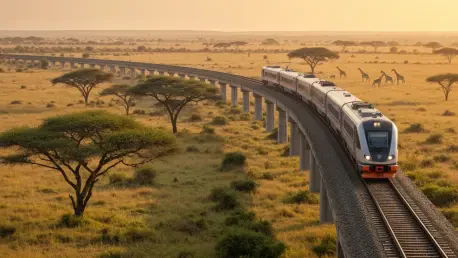
Underpinning this entire multifaceted growth is a foundational commitment to comprehensive infrastructure development, which has been identified as a critical enabler of the tourism boom. Significant government investments in improving road networks, developing new airports, and expanding the national railway system have dramatically improved accessibility to both iconic and emerging destinations. Remote and world-renowned locations, such as the Serengeti, are now easier for travelers to reach. The Standard Gauge Railway (SGR) is specifically highlighted as a transformative project, offering a modern, safe, and convenient mode of transportation that connects key cities and tourist hubs. As a direct result, the region of Morogoro has emerged as a popular hub for domestic tourism, benefiting from its proximity to the SGR and improved road access to Mikumi National Park, exemplifying the success of a broader strategy to decentralize tourism and ensure a more equitable distribution of economic benefits across the country.
A Blueprint for Continued Ascendance
The period between 2021 and 2024 saw the successful execution of a comprehensive and strategic vision for Tanzania’s tourism sector. A powerful synergy was created through the combination of high-impact, presidential-led marketing, a dual focus on both international and domestic markets, a firm commitment to diversifying tourism products, and substantial investment in enabling infrastructure. This integrated approach resulted in record-breaking visitor numbers and solidified tourism’s role as a cornerstone of the Tanzanian economy. The forward-looking emphasis on sustainability and diversification demonstrated a clear plan not just for recovery, but for long-term leadership. These deliberate actions have positioned Tanzania to continue its ascent as a leading global tourism destination, having established a robust framework that can preserve its unique cultural and natural heritage for generations to come.