
The Treehouse Villas at Disney’s Saratoga Springs Resort & Spa represent a radical departure from the standard hotel corridor, offering a secluded sanctuary elevated within the natural canopy of the Florida wetlands. These octagonal structures, which appear to float above the forest floor, provide a rare sense of isolation that stands in stark contrast to the high-energy environment of the nearby theme parks. Despite their enduring popularity among large families and Disney Vacation Club members, the aging interiors have long relied on a heavy, rustic aesthetic characterized by dark wood paneling and dense textiles that often feel reminiscent of a previous era of vacation design. As travelers today increasingly prioritize brightness and modern functionality, the resort is embarking on a comprehensive modernization project to ensure these iconic dwellings meet the expectations of contemporary luxury lodging while preserving their unique architectural heritage.
Modernizing the Wilderness Aesthetic: Transitions in Interior Design
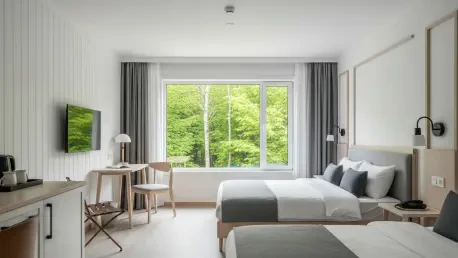
The primary objective of the current refurbishment is to transition the interior spaces of the Treehouse Villas away from their original dark, earthy tones toward a palette that feels significantly more expansive and “Disney-forward.” Designers are replacing the heavy wood finishes with lighter wood tones and soft, neutral wall colors that naturally reflect the light filtering through the surrounding trees. This shift is not merely aesthetic but functional, as the lighter colors help the compact, octagonal living areas feel considerably larger than their physical footprint suggests. By removing the dated wood paneling, the resort is effectively stripping away the “heavy” cabin feel in favor of a sophisticated forest retreat atmosphere. This modernization effort ensures that the villas remain competitive with newer luxury accommodations that emphasize airy, open environments without sacrificing the cozy, secluded charm that defines the Saratoga Springs experience.
Building on this foundational shift in color and light, the project includes a significant overhaul of the flooring and materials used throughout the multi-bedroom units. Traditional carpeting, which is prone to wear and difficult to maintain in high-traffic resort environments, is being swapped for high-quality luxury vinyl plank flooring that mimics the appearance of natural hardwood. This transition to hard-surface flooring aligns with a broader trend across premium hospitality brands, emphasizing cleanliness and durability while providing a sleek, contemporary look. Moreover, the updated decor is expected to incorporate more overt character integration, moving away from subtle nature themes toward charming illustrations of woodland characters like Chip and Dale. These artistic touches serve as a constant reminder of the Disney brand identity, ensuring that the rustic setting remains firmly rooted in the whimsical storytelling that guests expect from a stay at a top-tier Disney Vacation Club property.
Impact on Resort Amenities: Navigating Construction and Closures
While the revitalization of the villas is a central focus, the project’s scope extends to the broader infrastructure of Saratoga Springs, necessitating temporary closures of several key recreational facilities. The tennis and basketball courts, which are popular amenities for active families staying in the Treehouse section, are scheduled for an extensive maintenance period from late March through June. This downtime allows the resort to resurface the playing areas and update equipment, ensuring that the outdoor athletic spaces match the high standard of the newly refreshed accommodations nearby. Guests who typically rely on these facilities for daily exercise or family competition will need to seek alternative recreational options during the spring months. These necessary updates reflect a holistic commitment to property maintenance, ensuring that the entire resort environment remains polished and functional for the influx of travelers expected once the project reaches its final completion.
The dining landscape at Saratoga Springs is also experiencing notable shifts as the modernization effort progresses toward the summer months. The Turf Club Lounge and the associated Bar and Grill are undergoing a phased series of adjustments, with the lounge scheduled for closure from mid-April through early August. During this period, the Bar and Grill is operating with a limited menu via a temporary pop-up bar, allowing the kitchen and dining room to receive necessary technological and aesthetic upgrades. A total closure of the Bar and Grill is planned for the final push between mid-August and mid-September, representing the most significant disruption to the resort’s sit-down dining options. These operational changes require guests to plan their meals with greater flexibility, though the resort has implemented clear signage and expanded quick-service options to mitigate the impact. These temporary inconveniences are seen as a necessary trade-off for the long-term improvement of the resort’s culinary infrastructure.
The Guest Experience: Logistics and Booking Availability
For the majority of visitors staying in the main sections of Saratoga Springs, such as the Springs or the Highlands, the construction activity remains largely invisible due to the geographical isolation of the Treehouse complex. The villas are tucked away across a natural waterway, meaning the noise and visual clutter associated with renovation work do not typically bleed into the standard studio or suite areas. However, guests utilizing the Sassagoula River ferry system—which transports travelers between Disney Springs and the various riverside resorts—have a front-row view of the progress. As the boats navigate the winding waterway, passengers can observe the exterior work being performed on the octagonal structures, providing a unique perspective on the transformation of these iconic buildings. This visibility serves as a reminder of the ongoing investment in the property, even if the work remains physically separated from the resort’s central hubs and main pools.
One of the most tangible effects of the ongoing project is the reduced inventory of available rooms, which has made securing a reservation for a Treehouse Villa more challenging than in previous seasons. Because Disney is utilizing a phased approach—taking small clusters of units out of the booking pool at a time—the overall capacity of the complex is significantly diminished throughout the first three quarters of the year. This reduction in supply has led to a spike in demand for the remaining operational units, particularly for multi-generational families who value the nine-guest capacity and private decks. Travelers who had their hearts set on a forest retreat during this window are often finding it necessary to book much further in advance or explore alternative three-bedroom options within the resort’s main buildings. Despite the limited availability, the phased strategy ensures that the resort never fully loses its unique “wilderness” offering, maintaining a balance between operational needs and guest satisfaction.
A Broader Shift: Standardizing Modern Luxury at Disney
This refurbishment project is a critical component of a much larger strategy to modernize aging Disney Vacation Club properties across the Florida site, reflecting a standardized design philosophy that prioritizes longevity and brand cohesion. By moving toward hard-surface flooring and integrated smart home technology, the resort is responding to the preferences of a new generation of travelers who expect the same level of digital convenience and hygienic design they find in high-end urban hotels. The project at Saratoga Springs mirrors similar updates at the All-Star Movies Resort and the Contemporary Resort, suggesting a move away from the highly literal, “thematic-heavy” designs of the 1990s and early 2000s toward a more sophisticated, “character-infused” modernism. This evolution ensures that even the most rustic offerings, like the elevated villas, feel current and provide the technological infrastructure, such as enhanced charging stations and smart televisions, required for a seamless contemporary vacation.
The transformation of the Treehouse Villas successfully addressed the need for a modernized interior while preserving the nostalgia of the classic octagonal silhouette that has defined the resort for decades. By focusing on light, durable materials and subtle character integration, the project team ensured that the forest retreat remained a premier destination for those seeking a balance of nature and luxury. The strategic coordination of amenity closures alongside villa renovations allowed the resort to consolidate the most disruptive work into a single seasonal window, ultimately minimizing the long-term impact on the guest community. As the project concluded in the fall, the resort emerged with a refreshed identity that justified its standing in a competitive lodging market. Moving forward, the focus will likely shift toward maintaining these updated standards and exploring how similar technological integrations can be applied to the remaining sections of the resort to ensure a unified and high-quality experience for all visitors.