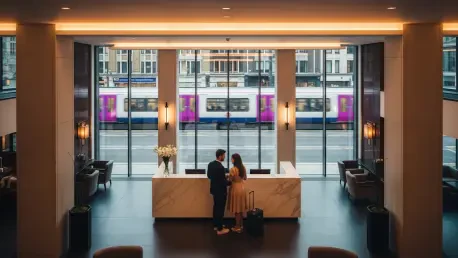

Navigating the logistical complexities of London during a massive stadium event requires a sophisticated understanding of the city’s evolving transportation network and diverse hospitality sectors. As the London Stadium continues to host a grueling schedule of elite soccer fixtures and high-profile international concerts, the demand for high-quality accommodation has reached unprecedented levels across the capital. Travelers often find themselves caught between the desire for immediate physical proximity to the venue and the allure of the cultural riches found in the city’s more historic districts. This decision-making process is no longer just about finding a bed for the night; it is about optimizing travel times and ensuring that the logistical burden of commuting does not overshadow the spectacle of the event itself. With the stadium serving as a central pillar for East London’s ongoing revitalization, the surrounding neighborhood of Stratford has transformed into a self-contained ecosystem that caters to diverse tastes and budgets. This evolution allows visitors to curate an experience that aligns perfectly with their specific travel goals.
Proximity and Convenience in the Stratford District
Focusing on the immediate area surrounding Queen Elizabeth Olympic Park offers undeniable advantages for those who prefer to eliminate long commutes from their itinerary. The Stratford area has matured into a sophisticated hub, where establishments like the Holiday Inn Express and The Gantry provide seamless access to the stadium gates while placing guests at the doorstep of the Westfield shopping district. This convenience is particularly valuable during multi-day events or late-night finishes when the density of the departing crowds can make public transport challenging to navigate. The Gantry, with its modern aesthetic and elevated dining options, caters to a more design-conscious demographic, while the Holiday Inn Express offers a reliable and efficient experience for those prioritizing utility. Staying within walking distance allows fans to immerse themselves in the pre-match atmosphere of the local pubs and plazas, creating a cohesive experience that bridges the gap between the hotel and the arena.
Beyond the major chains, the district offers diverse alternatives that provide a more localized feel without sacrificing the benefits of being near the venue. The Westbridge Hotel stands out as a boutique choice, housed in a listed building that offers a distinct character compared to the more contemporary glass structures dominating the Stratford skyline. For visitors working with a more restrictive budget, the Travelodge locations in nearby Mile End and the Docklands provide essential amenities and straightforward transit routes that remain highly competitive. These budget-conscious options are particularly popular among regular attendees of domestic soccer matches who frequent the stadium throughout the 2026 to 2028 seasons. By choosing these locations, travelers can maintain a manageable price point while still benefiting from the proximity to the primary event site. The surrounding infrastructure, including various parks and independent eateries, ensures that those staying in Stratford have plenty of entertainment options during the daylight hours.
Expanding Horizons Through the Elizabeth Line
The transformative impact of the Elizabeth Line has fundamentally redefined the geographic radius that is considered viable for visitors attending events at the London Stadium. This high-frequency, high-capacity transit link allows guests to stay in premium central districts such as Soho, Bloomsbury, and King’s Cross while maintaining a travel time to Stratford that is often shorter than a local bus journey. This shift has opened up a wealth of luxury and lifestyle hotels for stadium-goers who previously might have felt restricted to the eastern parts of the city. Design-led establishments like The London EDITION in Fitzrovia or the retro-modern Standard London near King’s Cross now represent practical choices for those who wish to combine their stadium visit with a broader exploration of the West End. This connectivity ensures that the cultural and culinary heart of London remains accessible, allowing the event to serve as one component of a larger, more varied travel itinerary. The efficiency of the network ensures that returning home is a streamlined process.
Utilizing these central hubs provides a strategic advantage for those planning extended stays that go beyond the duration of a single sporting event or musical performance. For example, the Hilton London Tower Bridge offers a sophisticated balance of historical surroundings and direct access to the Jubilee Line, which serves as another vital artery connecting the South Bank to the stadium. This area is particularly appealing for travelers who enjoy proximity to the Thames and the iconic landmarks of the City of London, yet still require a dependable route to Stratford. The hospitality landscape in these central areas is more varied, offering everything from five-star historical landmarks to innovative serviced apartments that cater to groups and families. By diversifying their choice of location, visitors can experience the full spectrum of London’s architectural and social evolution. The ability to move seamlessly between the energy of the stadium and the refined atmosphere of a central neighborhood has become a hallmark of the modern travel experience.
Strategic Planning for Seamless Event Logistics
Securing accommodation for major events at the London Stadium required a proactive and well-informed approach to ensure both comfort and financial efficiency. Travelers who prioritized early bookings often found themselves shielded from the significant price surges that typically accompanied high-demand dates in the 2026 to 2028 window. It was consistently observed that those who analyzed the specific strengths of each neighborhood—whether choosing the unparalleled convenience of Stratford or the cultural depth of Central London—experienced a much smoother visit. The decision to utilize advanced digital mapping tools to verify actual walking distances and transit schedules proved invaluable for avoiding the pitfalls of misleading marketing descriptions. Furthermore, visitors who opted for properties with flexible cancellation policies maintained a higher degree of control over their itineraries, allowing them to adapt to changes in event scheduling or personal travel preferences.
The successful navigation of London’s hospitality market involved a clear understanding of the trade-offs between cost, luxury, and location. Those who sought a balance often looked toward the emerging hotel clusters in the Docklands or along the newer segments of the transit network, where modern amenities met competitive pricing. Looking ahead, the focus remained on identifying properties that offered more than just a place to sleep, but rather a gateway to the diverse communities that made East London a premier destination. Actionable steps included registering for loyalty programs to access exclusive rates and monitoring transit authority updates for any planned maintenance that might have impacted event-day travel. Ultimately, the integration of high-speed transit and a robust selection of hotel brands ensured that every visitor found a suitable base. This strategic foresight transformed a potentially stressful logistical challenge into a seamless and enjoyable part of the broader stadium experience.