
Imagine a city once beleaguered by economic downturns and a sluggish recovery from a global crisis, now pulsating with renewed energy thanks to a tech-fueled boom. San Francisco, long a hub of innovation, is witnessing a remarkable resurgence in its hospitality sector, and at the heart of this revival stands a major player in real estate. A recent high-profile acquisition of a luxury hotel property signals not just a single investment, but a broader vote of confidence in the city’s future. This move by a leading firm sparks curiosity about what’s driving such bold decisions in a market that has faced its share of challenges. As the narrative unfolds, it becomes clear that this isn’t just about one hotel—it’s about a city on the cusp of transformation, propelled by cutting-edge industries and strategic foresight.
Unpacking the Strategic Acquisition
A Landmark Deal in a Recovering Market
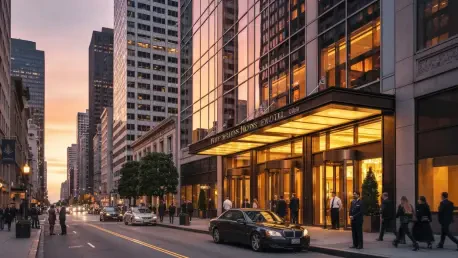
The spotlight shines on Blackstone Real Estate’s acquisition of the Four Seasons Hotel San Francisco, a 277-key luxury property nestled on Market Street in the city’s vibrant core. Valued near $130 million, though exact terms remain under wraps, this transaction marks a significant milestone for a market still shaking off the aftereffects of a prolonged downturn. The hotel, with its upscale offerings like a renowned spa, a top-tier sports club, and a rooftop lounge, stands as a symbol of high-end hospitality. But what makes this deal particularly noteworthy is its timing. After years of struggle in San Francisco’s tourism and hospitality sectors, exacerbated by external shocks, there’s a palpable shift in the air. This purchase isn’t merely a transaction; it’s a calculated bet on recovery, reflecting a belief that the city’s fortunes are turning. The question lingers: what’s fueling this confidence when scars of past challenges are still fresh?
Signals of Optimism Amid Past Struggles
Delving deeper, the context of San Francisco’s hotel market reveals a landscape of both caution and opportunity. Not long ago, the city grappled with steep declines in property values and foreclosures that shook investor confidence. Yet, the narrative is shifting, and Blackstone’s move is a testament to that change. Industry leaders have noted a marked uptick in demand, a trend that seems to have emboldened firms to re-enter the market with significant capital. This isn’t blind optimism, though. The memory of past setbacks serves as a sobering reminder of inherent risks, yet the current wave of investments suggests a tipping point. Blackstone’s decision to acquire such a prestigious asset aligns with a growing sentiment that the city’s hospitality scene is ripe for a comeback. Moreover, this deal serves as a beacon for other investors, hinting that the time to act might be now, before opportunities are fully priced into the market.
Drivers Behind the Hospitality Rebound
The AI Boom as a Game-Changer
One cannot discuss San Francisco’s revival without highlighting the transformative role of the artificial intelligence sector. The city, already a tech powerhouse, is experiencing a surge in activity as major AI companies expand their footprint, drawing talent, capital, and business travel in their wake. This so-called “AI revolution” has become a catalyst for increased office utilization and, by extension, a spike in demand for hotel stays. Industry voices, including those from Blackstone’s leadership, have publicly championed this trend as a cornerstone of the city’s economic resurgence. The ripple effects are undeniable—more conferences, more corporate visitors, and a renewed buzz that fills hotel lobbies. For a luxury property like the Four Seasons, this translates into a steady stream of high-end clientele. It’s a fascinating dynamic: a tech-driven boom breathing life into a sector that once seemed stagnant, positioning San Francisco as a hotspot once again.
Investor Confidence and Market Trends
Beyond the tech surge, there’s a broader wave of investor optimism reshaping the hospitality landscape. Other firms have joined the fray, with recent acquisitions of prominent hotels signaling a shared belief in the city’s potential. Though some of these deals reflect discounted valuations compared to previous peaks, they still underscore a willingness to invest despite lingering uncertainties. Reports from market analysts further bolster this outlook, pointing to a robust recovery on the horizon, particularly fueled by technological innovation. Blackstone’s expertise in navigating complex real estate markets adds another layer of credibility to this trend. Their active portfolio management across various properties demonstrates a strategic approach that likely informed their San Francisco venture. This collective confidence among investors and analysts paints a picture of a market at a crossroads, leaning toward growth while still mindful of past hurdles. The stage is set for a fascinating evolution.
Reflecting on a Pivotal Moment
Lessons from a Bold Investment
Looking back, Blackstone Real Estate’s acquisition of the Four Seasons Hotel San Francisco stood as a defining moment in the city’s hospitality narrative. Valued near $130 million, the deal encapsulated a significant vote of trust in a market that had endured its share of turbulence. It wasn’t just about acquiring a luxury asset; it underscored a belief in San Francisco’s capacity to rebound, driven largely by the economic momentum from the AI sector. The transaction also mirrored a broader trend of renewed investor interest, despite the shadow of historical challenges like foreclosures and diminished valuations. Blackstone’s strategic prowess in the hospitality space was evident, as they positioned themselves to capitalize on emerging opportunities while elevating the property’s stature.
Future Pathways for Growth
As the dust settled on this landmark deal, the focus shifted to actionable next steps for sustaining San Francisco’s hospitality revival. Stakeholders needed to prioritize leveraging the tech-driven demand, ensuring that infrastructure and services kept pace with the influx of business travelers and tourists. Collaboration between real estate firms, local authorities, and tech industries could foster an environment ripe for continued growth. Additionally, addressing lingering market risks through innovative financing and adaptive strategies would be crucial. The Four Seasons acquisition highlighted a path forward, but the broader challenge was to maintain momentum. This moment in time offered a blueprint for balancing optimism with pragmatism, setting the stage for San Francisco to reclaim its status as a premier destination in the national hospitality landscape.