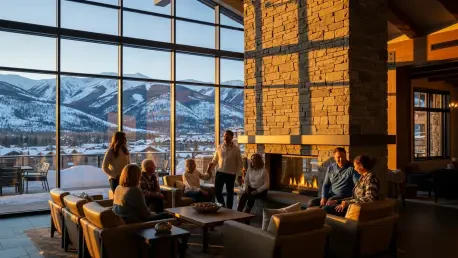

With a keen eye for luxury development and a deep understanding of the travel and tourism industry, Katarina Railko has become a key voice in analyzing the trends shaping the future of hospitality. Today, we delve into one of the most exciting new developments in North Americthe transformation of Utah’s Deer Valley into a premier luxury alpine village. As major hotel brands like Hilton, Four Seasons, and Hyatt invest heavily in the area, we explore Hilton’s ambitious strategy, the evolving demands of the luxury traveler, and the powerful allure of branded residences in this year-round mountain paradise.
The Deer Valley East Village is a significant new alpine development. How does placing both a Waldorf Astoria and a Canopy hotel there serve Hilton’s growth strategy, and what distinct guest profiles do you expect each brand to attract in this unique market?
Placing both brands in Deer Valley is a brilliant, multifaceted move that perfectly aligns with Hilton’s growth strategy, especially as we look towards 2026. This isn’t just about planting flags; it’s about creating a complete ecosystem of hospitality. Deer Valley has firmly established itself as one of the country’s most sought-after luxury mountain destinations, offering year-round recreation that creates strong, consistent demand. For Hilton, this market is a natural fit. The strategy allows them to capture two distinct, yet complementary, segments of the high-end travel market. The 180-key Canopy will cater to the guest seeking an elevated, boutique lifestyle experience—someone who thrives on social energy and appreciates vibrant design, especially with over 9,600 square feet of food and beverage space. On the other hand, the Waldorf Astoria is for the pinnacle of luxury travelers, those seeking an immersive, adventure-forward escape that is both grand and deeply personal. It’s about delivering two unique ski experiences under one trusted corporate umbrella.
Your new Waldorf Astoria will feature a 15,000-square-foot spa with a snow room. Beyond this, how are you designing the property to meet the growing demand for wellness travel, and what specific offerings will cater to multigenerational families looking to connect?
The 15,000-square-foot spa is certainly a headline feature, but it’s really the cornerstone of a much broader wellness philosophy woven into the property’s DNA. We’re seeing a profound shift where travelers are actively seeking moments of calm, reflection, and a chance to truly disconnect. A mountainside escape like Deer Valley provides the perfect setting to unplug, and the Waldorf Astoria is being designed to facilitate that. Beyond the exhilarating contrast of a snow room, imagine treatments inspired by alpine botanicals or yoga platforms with panoramic mountain views. For multigenerational families, the focus is on creating intentional, meaningful itineraries that connect all ages. This isn’t just about providing activities, but about crafting shared experiences. Think of guided nature walks accessible to grandparents and grandchildren alike, private ski lessons that end with a family fireside hot chocolate, or cooking classes that celebrate local Utah ingredients. The goal is to provide an environment where families can create lasting memories together, year-round.
With competitors like Four Seasons and Hyatt also establishing a major presence, what key features or service philosophies will differentiate the Waldorf Astoria experience? Could you walk us through how you plan to set a new benchmark for luxury alpine hospitality in Deer Valley?
In a market this competitive, differentiation is everything. While the physical amenities—the direct ski-in/ski-out access, the expansive spa, the multiple dining concepts—are world-class, the true differentiator for Waldorf Astoria will be its ability to introduce a new benchmark for luxury alpine hospitality. This is achieved by blending impeccable, anticipatory service with an authentic sense of place. It’s about more than just luxury; it’s about creating an immersive, adventure-forward experience. The design itself will embrace the natural environment, making you feel connected to the mountains from the moment you arrive. The service philosophy will be deeply personal, anticipating the needs of a guest returning from a long day on the slopes, whether that’s a perfectly prepared cocktail waiting at the bar or having their ski gear seamlessly taken care of. By focusing on these deeply personal, flawlessly executed touchpoints, the Waldorf Astoria won’t just compete; it will define the very pinnacle of the Deer Valley experience.
The project includes 105 branded residences for purchase. What specific market trends in Deer Valley drove the decision to make this a mixed-use property, and how does the Waldorf Astoria brand enhance the value proposition for someone looking to buy a home there?
The inclusion of 105 branded residences was a very deliberate decision, driven by a clear and growing demand in this specific market. We’re seeing a strong trend where affluent buyers want more than just a beautiful vacation home; they desire a lifestyle. They are looking for long-term luxury living that is seamlessly paired with five-star service, world-class amenities, and immediate access to recreation. A mixed-use model directly answers that call. Attaching the Waldorf Astoria brand to these residences dramatically enhances their value. It’s an immediate signal of unparalleled quality, service, and prestige. For a buyer, it means owning a piece of a world-renowned legacy, with the assurance that their property will be maintained to the highest standards and that they will have effortless access to the hotel’s spa, dining, and concierge services. It transforms the idea of a mountain home into a turnkey, truly luxurious lifestyle.
What is your forecast for the luxury mountain resort market?
My forecast is incredibly bullish. The luxury mountain resort market is poised for significant and sustained growth, driven by several powerful undercurrents. We are seeing a widening wealth bifurcation in hospitality, which means the ultra-luxury segment has more purchasing power and a greater appetite for unique experiences than ever before. Furthermore, the pandemic accelerated a deep-seated desire for outdoor-focused, wellness-centric travel, and destinations like Deer Valley are perfectly positioned to capitalize on this. These aren’t just seasonal ski towns anymore; they are year-round havens for adventure and rejuvenation. As a result, I expect to see continued, heavy investment not just in hotels, but in holistic, mixed-use alpine villages that combine luxury lodging, branded residences, and high-end retail and dining. The future of this market is immersive, exclusive, and year-round.