
Recent data from the peak holiday season reveals a decisive trend among American travelers, showing a strong preference for the predictability and comprehensive service of traditional resorts over the autonomy offered by vacation rentals. As travelers increasingly prioritize peace of mind and a seamless vacation experience, hotels in Cancun and the broader Quintana Roo region celebrated occupancy rates that soared above 90% to close out the year. This stands in stark contrast to the vacation rental market, which includes popular platforms like Airbnb and Vrbo, where occupancy struggled to surpass the 58% threshold during the same high-demand period. The allure of a “plug-and-play” vacation, where transportation, dining, and amenities are all handled within a single booking, is proving to be a powerful draw. In a world where daily stressors are already high, travelers are clearly voting with their wallets for the reliability of consistent electricity, powerful air conditioning, and the convenience of room service over the potential logistical hurdles of a do-it-yourself stay in a residential area.
1. The Hard Numbers Behind the Trend
The statistical chasm between the performance of hotels and vacation rentals is not just significant; it is a reflection of the sheer scale of Cancun’s established tourism infrastructure. The state of Quintana Roo now boasts an immense inventory of over 133,000 hotel rooms, a figure that puts it in the same league as global tourism hubs like Las Vegas. For this massive hotel sector to achieve an occupancy rate exceeding 90% is a monumental logistical success, indicating that nearly every available airline seat into the region was filled by a traveler heading directly to a resort check-in desk. In contrast, the vacation rental market, despite its substantial offering of 24,579 active units across the state, failed to fill even 60% of its inventory during the year’s busiest travel week, from December 26 to January 2. The breakdown reveals that even in Playa del Carmen, often cited as one of the safest destinations in the Riviera Maya, rental occupancy maxed out at 58%, while Cancun’s rental market lagged further behind at just 56%. The data presents an unambiguous message: when given a choice, the overwhelming majority of travelers are opting for the guaranteed experience of a resort.
This pronounced disparity in occupancy rates points to a deeper shift in traveler psychology, where the perceived value of convenience and reliability now outweighs the potential cost savings or spatial benefits of a vacation rental. The decision to choose a resort is increasingly a conscious one, a deliberate move to eliminate uncertainty from the travel equation. For many American families and couples, the primary goal of a Cancun vacation is to de-stress and disconnect, and the all-inclusive resort model is purpose-built to facilitate this. The “rental gamble,” which can involve anything from misleading property photos and noisy neighbors to coordinating key handoffs with an unavailable host, introduces variables that many are no longer willing to entertain. In essence, the numbers reflect a market that is prioritizing a “zero-friction” experience. The assurance that every detail, from meals to poolside service, is managed by a professional staff allows for genuine relaxation, a commodity that has become more valuable than ever. This trend suggests that the core definition of a successful vacation is evolving, with travelers increasingly defining it by the absence of problems rather than just the presence of sun and sand.
2. The Appeal of a Zero Friction Vacation
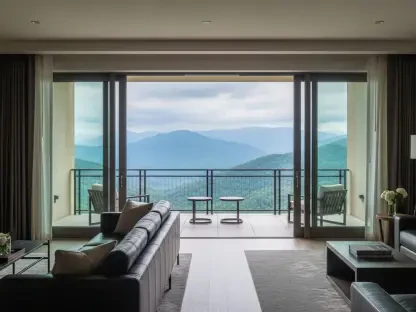
A primary driver behind this significant shift toward resorts is the critical issue of infrastructure reliability, a factor that is often taken for granted until it fails. In many of the rapidly expanding residential neighborhoods where a large number of Airbnb and other rental properties are located, the local power grid can be susceptible to fluctuations and outages. For a traveler unaccustomed to such interruptions, a sudden loss of air conditioning in the tropical heat can quickly sour a vacation. In stark contrast, the major resorts located within the established Hotel Zone operate on what is essentially a private, highly resilient power grid. These properties have invested heavily in industrial-scale backup generators that activate seamlessly, ensuring that essential services like air conditioning, lighting, and Wi-Fi remain uninterrupted even when the municipal grid experiences issues. This guarantee of basic comfort is a powerful, albeit often unspoken, selling point that provides immense peace of mind. For many, knowing that their environment will remain stable and comfortable regardless of external factors is a non-negotiable aspect of a relaxing getaway, making the resort a clear winner.
Beyond the fundamental guarantee of utilities, the “zero-friction” advantage of resorts extends to the elimination of numerous hidden logistical costs associated with rentals. A vacation rental often requires guests to become temporary project managers for their own holiday. The check-in process alone can involve complex lockbox instructions or waiting for a host who may be delayed, eating into valuable vacation time. Once settled, the daily logistics begin: guests must plan meals, navigate unfamiliar grocery stores to purchase supplies like toilet paper and coffee, and arrange their own transportation to and from beaches and attractions. These small but cumulative tasks can transform a relaxing escape into a series of chores. Furthermore, the inherent uncertainty of the rental market—where professional photos might not accurately depict the property’s condition, noise levels from adjacent construction, or the safety of the neighborhood—adds a layer of risk. For a family seeking a true escape from routine, the all-inclusive resort model elegantly removes all these variables, providing a controlled, predictable, and genuinely restful environment from arrival to departure.
3. The Enduring Value and Future of Rentals
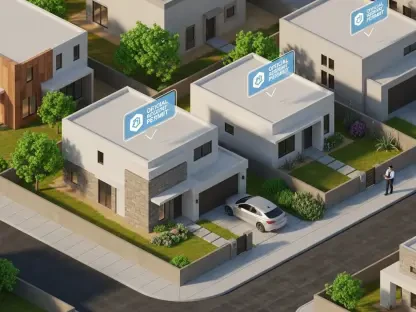
Despite the current trend favoring resorts, the vacation rental market continues to hold a significant advantage in one key areaffordability. For budget-conscious travelers, the value proposition offered by rentals is undeniable. With an average nightly rate of approximately 2,273 pesos (around $110 USD) and an average stay of 4.8 days, rentals provide a more accessible entry point to the Cancun experience. This pricing structure is particularly appealing for longer stays or for larger groups who can benefit from the additional space and kitchen facilities. However, the largely unregulated “Wild West” era of the rental market appears to be drawing to a close. Local authorities are actively developing a framework of stricter regulations for Cancun Airbnbs. While these new rules are intended to enhance safety and quality standards for tourists, they are also likely to increase operational costs for property owners. As a result, travelers may see these increased costs passed on in the form of higher nightly rates in the near future, potentially narrowing the price gap that currently makes rentals so attractive.
Looking ahead, developers and market analysts see a significant shift on the horizon, driven by a major international event. Despite the current lag in occupancy, investment in the short-term rental sector is booming, with Manuel Lozano Álvarez of Expo Renta Vacacional confirming that over 100 new real estate projects are currently under construction in northern Quintana Roo, specifically designed for this market. The catalyst for this confident expansion is the 2026 World Cup. Analysts at PriceLabs are forecasting a dramatic surge in demand, projecting a 30-40% increase in rental bookings for the summer of 2026 as a global audience descends on Mexico. Daniel Zammata, the Latin America manager for PriceLabs, explained that major events of this caliber invariably drive massive demand in host locations like Cancun. For travelers planning a trip during this period, the dynamic will likely be inverted; as hotels sell out months in advance to accommodate soccer fans and official delegations, vacation rentals may become the only viable, and potentially highly sought-after, accommodation option.
4. A Conclusive Look at Traveler Choices
The data from the recent peak travel season clearly indicated that travelers seeking a truly carefree and relaxing escape found their ideal solution in the region’s established resorts. The convenience of having all meals, beverages, and entertainment meticulously handled within a single location proved to be the winning formula. This preference for an all-inclusive, managed experience demonstrated a market-wide prioritization of certainty and ease over the potential cost savings and spatial advantages of a condominium. The resort model’s inherent ability to eliminate logistical hurdles and guarantee a consistent standard of service successfully met the demands of tourists who valued a predictable and stress-free environment. This trend underscored that for many, the ultimate luxury was not just a beautiful setting, but the freedom from decision-making and daily chores that a resort environment provides, a choice that was reflected in the near-capacity bookings across Quintana Roo’s hotel sector.
However, this prevailing preference for resorts was not seen as a permanent state but rather a snapshot of current priorities that was poised for disruption. The impending 2026 World Cup was set to fundamentally alter the accommodation landscape, creating a scenario where demand would likely outstrip the supply of traditional hotel rooms. This shift was expected to elevate the importance of the vacation rental market, transforming it from a budget alternative into a primary necessity for many visitors. For those planning travel during that period, the strategy had to evolve from choosing between a resort and a rental to securing any available lodging. This highlighted a crucial takeaway for all future travel planning: regardless of the accommodation type chosen, the most vital step remained diligent research. Thoroughly reading recent guest reviews, with a particular focus on the reliability of essential amenities like Wi-Fi and air conditioning, stood as the most effective tool for mitigating risks and ensuring a positive travel experience in a dynamic market.