
The new Hotel Indigo Torquay opened with sea air at its doorstep and a bigger question in the breeze: can a single, well-placed lifestyle hotel nudge an entire coastline from fond nostalgia toward confident reinvention without losing what made it beloved in the first place? Framed by Princess Pier, Torre Abbey Sands, and the steady pull of Tor Bay, the debut put a contemporary stake in a market that long leaned on memory.
The property arrives as an anchor near Torquay Museum and Kents Cavern, close to rail and road links that funnel visitors year-round. That proximity matters. Convenience fuels short-break decisions, and industry data shows domestic travelers favor two-to-three-night stays within easy reach of culture and coast. The question is whether a design-led, story-rich hotel can translate that access into repeat business and broader buzz.
Why this moment—and this brand—matter
The English Riviera is pushing a shift from postcard clichés to present-tense experiences. Demand for “somewhere familiar, done new” has risen across Britain’s seaside towns, with staycations and blended work-leisure trips sustaining off-peak trade. The opportunity lies in recasting heritage—from Agatha Christie to fishing fleets—as living texture rather than museum piece.
Hotel Indigo’s neighborhood-first model fits that task. Under IHG management and Fragrance Group ownership, the 153-room boutique signals a long-term bet on Torquay. Leadership messaging has emphasized “partnership strength,” “confidence in Torquay,” and “community connection,” suggesting operational discipline paired with local receptivity rather than a top-down import.
Travelers and residents alike increasingly prize experience, access, and authenticity. That means credible sourcing in the kitchen, design with human scale, and service that feels informed but unforced. In this context, the brand’s lifestyle playbook aligns with how guests choose today: place, then product.
Inside the project: distinct elements that set the tone
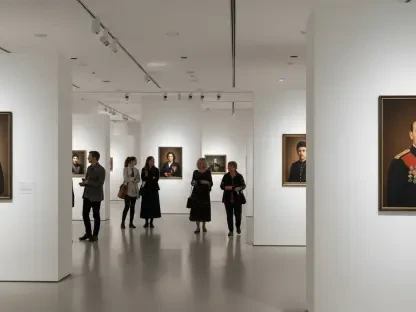
Design cues trace a maritime spine—sandy palettes, wave motifs, coastal blues—without veering into theme-park gloss. Subtle references to bays, tides, and shoreline light appear in fabrics and artwork, with story threads running from Christie’s narratives to local craft. The aim is atmosphere that informs rather than overwhelms.
Rooms lean comfort-first while keeping the locale in view. Nespresso machines, robes, slippers, and Biology bath products set modern baselines, and visual notes echo the surrounding water and cliffs. The balance favors ease with a sense of place, a formula that tends to convert first-time guests into return visitors.
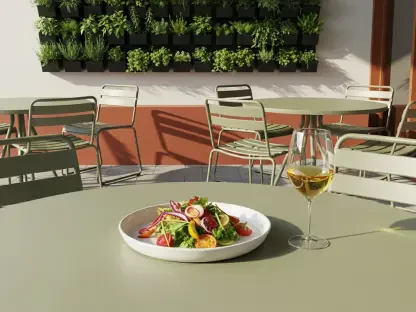
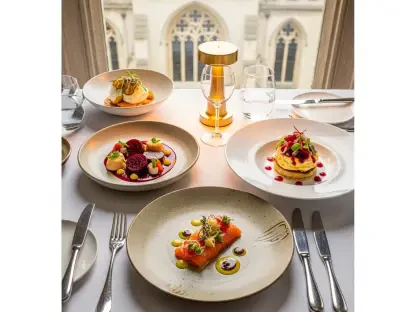
Food and drink form the social core. Root & Reef Bistro pairs Torquay’s fishing heritage with Devon farm produce, mirroring the broader rise of provenance-led menus. A second venue, The Cast rooftop bar, targets Spring 2026 with panoramic bay views, small plates, and signature cocktails—a destination bar strategy that coastal markets have used to extend evening economies.
Credibility checks: voices and signals that carry weight
Early themes from the ownership-management duo centered on durability and local roots—a useful counter to the perception that shiny openings fade. By stating a commitment to supplier partnerships and neighborhood engagement, leadership framed the hotel as participant, not spectator.
Category trends back the bet. Neighborhood-led lifestyle hotels have outperformed generic upscale peers in guest satisfaction, and view-led bars often act as top-of-funnel magnets. Moreover, when menus showcase local catch and farm goods, dwell time and average spend typically rise, reinforcing both margin and narrative.
On-the-ground indicators will tell the fuller story. Local uptake for the bistro and, later, the rooftop bar should show whether the concepts resonate beyond tourists. Off-season occupancy and event programming—literary tie-ins, coastal walks, winter tasting menus—will signal if the hotel is a year-round asset rather than a fair-weather flourish.
How to turn a hotel opening into a Riviera catalyst
For the hotel team, the path runs through programming and proof. A year-round calendar built around coastal trails, Christie-themed author routes, and seasonal dining would have stitched the hotel into daily life. Amenities tied to locality—maker collaborations, maritime-influenced wellness touches—would have deepened the sense of ownership among residents and staff alike.
Measuring community impact would have mattered as much as RevPAR. Tracking local hires, supplier mix, and cultural partnerships would have translated strategy into visible benefit, giving civic leaders and small businesses clear reasons to amplify the story. Packaging transport access with experiences could have broadened reach across the region.
The simple framework was clear: lead with Riviera heritage without cliché, keep spaces and menus evolving through limited-time features, and align hotel, council, and local producers on shared goals. Done consistently, that approach turned a polished opening into momentum, and momentum into a credible chapter in the English Riviera’s revival.