
Listen to the Article
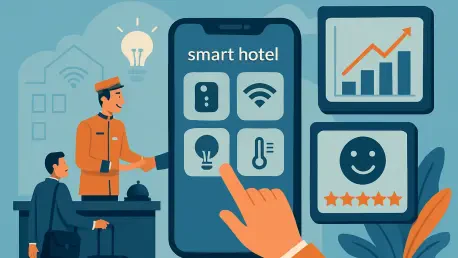
Over 60% of travelers expect and value real-time personalization without having to ask. Yet most hotels still rely on disconnected tools like app-based check-ins and smart thermostats. Convenient, but not intelligent. A smart hotel isn’t about adding more gadgets; it’s about creating a predictive ecosystem that anticipates needs and adapts instantly. This requires more than guest-facing tech. It means rethinking core operations with AI, automation, and data at the center. This article explores how predictive technology is transforming hospitality from siloed features to fully integrated, intelligent experiences.
Hyper-Personalization Becomes Predictive
Personalization goes beyond using a guest’s name in a booking confirmation. It is predictive, leveraging data from past stays and real-time behavior to customize a traveler’s experience before the guest even has to ask.
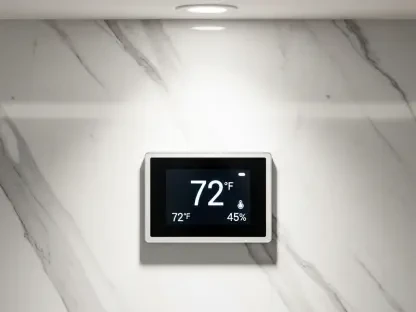
Imagine a loyal business traveler arriving after a late flight. A predictive system knows this guest prefers a room temperature of 68 degrees, black-out curtains drawn, and sparkling water in the mini-fridge. In response, hotel owners can configure this room to the exact specifications upon check-in.
Say the visitor wants to relax: the smart television suggests a new documentary based on their previous viewing history, and the hotel app sends a single, non-intrusive notification asking if they would like to place a room service order from a curated menu of their past favorites.
These touchpoints aren’t random; they’re made possible by AI that pulls data from the Property Management System, CRM, and in-room IoT devices into a single guest profile. That integration is what makes the experience feel seamless, thoughtful, and personal.
Importantly, this level of personalization doesn’t just impress guests; it simplifies operations. Triggering the right action at the right moment reduces manual overhead and increases consistency across properties. That’s where the real shift happens, not just in guest services, but in the operational core.
Efficiency Improves in Hotel Operations
While guests experience the front end of personalization, the most profound changes happen behind the scenes. A truly smart hotel doesn’t just impress; it protects margins and elevates consistency through predictive efficiency. Here’s where that intelligence aspect comes to life:
Predictive Maintenance: IoT sensors on HVAC units, elevators, and plumbing systems constantly monitor performance data. Instead of waiting for a breakdown that disrupts guest stays, the system can predict a potential failure and automatically schedule a maintenance ticket for a low-occupancy period. This prevents costly emergency repairs and protects the guest experience.
Dynamic Staffing: AI models analyze booking data, flight schedules, local events, and even weather forecasts to predict guest flow with remarkable precision. This allows management to optimize staffing levels, ensuring the front desk, housekeeping, and restaurant are perfectly equipped for peak times without being overstaffed during lulls.
Automated Supply Chain: Inventory management becomes proactive. By tracking real-time consumption of everything from premium linens to restaurant ingredients, the system can automate reordering to prevent stockouts. AI-driven inventory management can cut food waste by up to 50% in commercial kitchens.
These upgrades don’t just make the operation smarter; they make it self-optimizing. That means leaner teams, fewer surprises, and more time spent delivering value to guests. With a smarter foundation in place, hotels can begin reimagining the physical space itself, turning underused square footage into flexible, revenue-generating environments.
Physical Spaces Gain New Revenue
The traditional hotel model with static room layouts and underutilized common areas is becoming a financial liability. Guests now want flexible spaces that match the rhythms of living, working, and relaxing in one location. To keep up, modern hotels are rethinking their square footage as a versatile, monetizable asset.
Driven by the rise in remote work and “bleisure” travel, forward-thinking hotels are designing modular spaces that can be reconfigured in hours. A lounge might function as a co-working space during the day, host a local pop-up shop in the evening, and convert into a private event venue by night. With each shift, the space earns more and serves broader audiences.
The strategy also involves deeper integration that goes beyond guests. More hotels are collaborating with local communities by offering gym and pool memberships, wellness classes, and curated programming. These services drive consistent foot traffic and generate income year-round, independent of tourist seasons.
As properties grow more agile with their space, they unlock new revenue streams and redefine their role; not just as a place to stay, but as a destination to live, work, and connect.
Sustainability Is a Core Business Metric
For the next generation of travelers and investors, sustainability is a non-negotiable requirement. The hotel of 2026 must bake sustainability into its core operations and back it with measurable results.
Smart building technology is central to this. Intelligent energy management systems can reduce a hotel’s energy consumption by up to 30% through optimizing lighting and HVAC based on real-time occupancy data. Water recycling technologies, local sourcing strategies to reduce food miles, and low-waste kitchen operations are quickly becoming the industry baseline.
But this shift isn’t just about going green. It’s a strategic business move. A strong Environmental, Social, and Governance profile attracts top-tier investors, draws purpose-driven talent, and appeals to guests who are increasingly willing to spend more with brands that reflect their values.
Hotels that lead on sustainability don’t just look good on paper; they operate more efficiently, drive long-term loyalty, and stay competitive in an evolving market. So how do hotel leaders act on these priorities today? It starts with a focused, realistic plan.
The Strategic Plan for Smart Hotel Leaders
Preparing for this future requires a strategic, phased approach. Focus on creating a connected, intelligent foundation that drives real value over time. Here’s how you can start:
First 30 Days: Audit Your Data Infrastructure. Map out your data sources, including guest preferences, booking patterns, energy usage, and maintenance logs. Break down silos between your CRM and on-property systems. A unified data platform is essential for powering any meaningful AI or automation.
Next 60 Days: Focus on One High-Impact Operational Win. Instead of a full-scale overhaul, pilot a predictive maintenance program for your most critical assets, such as HVAC systems. Measure the ROI in terms of reduced downtime and maintenance costs to build a business case for broader adoption.
Within 90 Days: Empower Your Team. As automation takes on repetitive tasks, staff roles shift toward high-touch service and exception management. Invest in training that helps your team use tech tools confidently, so they can focus on the guest connections that matter most.
The transition to a smart hotel is about steady progress. With the right systems and team mindset in place, hotels can create experiences that are not only more personalized and efficient but also more profitable.
Conclusion
Becoming a smart hotel in 2026 is not about chasing trends or buying the latest devices. It’s about aligning technology with meaningful outcomes: better guest experiences, leaner operations, stronger revenue models, and long-term brand trust.
The playbook is clear, but transformation won’t happen overnight. It requires operational discipline, investment in training, and a willingness to rewire legacy thinking across departments. The hotels that move forward with focus and vision will stand out.