
Listen to the Article
Hospitality has reached a defining moment, where the integration of the Internet of Things (IoT) has moved from an optional amenity to a core infrastructure that determines brand competitiveness. As global travelers get used to smart, app-based control in their daily lives, they expect that same ease at check-in, in-room, and throughout their stay. Hoteliers who respond are replacing fragmented systems with unified digital ecosystems that give guests more control and improve back-of-house visibility. The result is a more resilient operating model that uses real-time data to reduce labor strain, prevent maintenance issues, and manage energy use. This article explores how IoT is reshaping hotel operations and the guest experience.
Connected Hotels Run on Real-Time Data
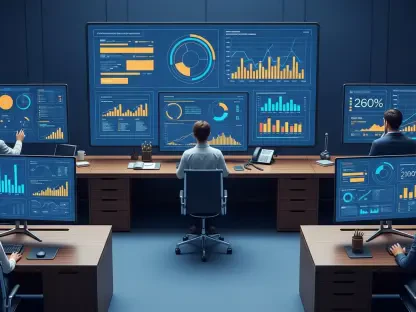
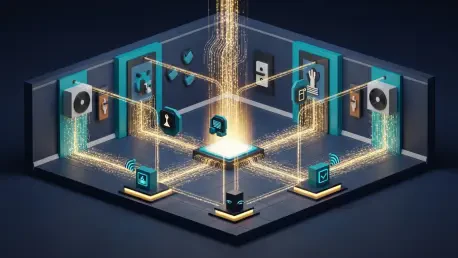
Competitive properties now treat the building like a living system that senses, decides, and acts. IoT is not simply upgraded Wi-Fi or a few smart thermostats. It is a technology component that can interact with hotel occupants and staff on a minute-by-minute basis. The payoff is a smoother guest journey, from faster check-in lines to rooms that feel comfortable from arrival. With sensors, edge controllers, and automation software, guestrooms and public areas can respond in real time based on occupancy and service triggers. The goal is not gadgetry. It is a service model that prevents small issues from becoming service tickets, negative reviews, or compensation costs.
At the same time, hospitality leaders are treating property data as a strategic asset. Signals such as occupancy, temperature adjustments, work orders, and response times show how spaces are used and where operations break down. That visibility supports decisions that previously relied on intuition, including staffing by demand, preventive maintenance scheduling, and capital planning for renovations and equipment replacement. It changes staffing plans, capital allocation, and how rooms are merchandized. As these capabilities become standard, the properties that maintain competitive advantage will be those that design for data quality, guest consent, and uptime from day one, not those that stack disconnected point solutions.
Orchestration Unifies Staff and Enhances Guest Experiences
The business case for a fully integrated smart property starts with orchestration across housekeeping, engineering, and guest services. With a single operational view tied to the property management system, routine signals become automated workflows. When a guest checks out in the app, tasks can be routed instantly, rooms can shift to energy-saving setpoints, and updates, such as minibar status, can sync without manual follow-up. That orchestration improves guest satisfaction while it reduces radio chatter, clipboard checks, and wasted time between tasks, so staff can move to the next best action rather than follow a static route.
For guests, convenience and a seamless experience start pre-arrival. That is where the first friction point often shows up, which is getting into the property and into the room. So digital keys can reduce front desk bottlenecks for frequent travelers and late check-ins. Inside the room, controls should be simple and responsive, with voice, remote, or app-based settings for temperature, lighting, and privacy to make the room feel personal. Each interaction also adds to a profile that can encourage future stays and inform customer preferences, helping teams deliver more consistent service with better context. Additionally, the data created by these moments becomes even more valuable when analytics turns it into early signals for staffing, maintenance, and energy decisions.
Predictive Analytics in Maintenance Protects Uptime and Profitability
IoT moves maintenance from last-minute fixes to planned intervention. For example, boilers, elevators, HVAC chillers, and kitchen equipment can be enhanced with vibration, temperature, or power-draw sensors to send early warning signals. Predictive analytics flag anomalies long before guests feel the impact. This proactivity gives engineering time to schedule repairs in off-peak windows and source parts before a failure takes rooms out of inventory or disrupts food and beverage operations. What’s even better is that predictive maintenance programs can reduce unplanned downtime by 30–50% and cut maintenance costs by 18–25%.
Energy optimization is the second dividend, and it shows up directly in the profit and loss. Properties that deploy occupancy-based controls and smart energy management typically cut energy use by an average of 22%. Smart thermostats and shade controls tied to verified occupancy can prevent underused rooms from consuming full-load energy. This daylight harvesting across meeting rooms, corridors, and guestrooms turns incremental savings into measurable reductions.
These improvements do not just protect margins. They also influence corporate travel decisions, since more than half of corporate travel buyers now judge properties on sustainability performance in requests for proposal. Alongside efficiency and sustainability, the next advantage of IoT stems from leveraging the same connected ecosystem to reduce daily labor pressure and improve service consistency.
IoT Helps Hotel Staff Accelerate Productivity and Reduce Burnout
Workforce burnout in hospitality is now a constant, with 57% of professionals reporting being understaffed. IoT lightens this load by matching tasks to demand in real time using signals such as the “do not disturb” status and service request cards. Meanwhile, real-time location tracking for shared equipment, such as rollaway beds, cribs, luggage carts, and cleaning machines, helps supervisors reduce time spent searching and redeploy staff more quickly. Instead of walking floors for status updates, hotel staff can work from a live task queue that adjusts as room conditions change. Shifting labor away from low-value status checks and toward high-value work helps save time and protect revenue.
When hospitality staff have connected IoT tools, safety and communication also improve. For instance, using wearables for discreet alerts, panic buttons, and instant translation features can reduce risk for isolated workers and shorten response times when guests need help. IoT can help employees feel supported, which shows up in service consistency and retention.
It is important for hotels not to forget that technology is not a substitute for hospitality. Instead, it is infrastructure that helps to remove guesswork and busywork so your staff can focus on service efficiency and speed. But what does this look like going forward?
Strategic Outlook and Actionable Steps
Hospitality teams that turn building signals into service standards, operating discipline, and financial results will maintain a competitive advantage. That starts with a connected strategy, not a series of disconnected point-solution purchases. It requires secure networks and an API-ready system that work together to clearly unify and define ownership for uptime, privacy, and outcomes across operations and IT.
The short-term approach to get started is practical and measurable. It requires hotels to:
Standardize device models, vendors, and integrations across the portfolio to reduce support burden.
Measure the assets tied to guest satisfaction and major cost lines, including guestrooms, HVAC, elevators, and back-of-house equipment.
Set targets for room turn time, unplanned outages, and energy intensity, then report weekly from a single system of record.
Prioritize fast wins such as predictive maintenance and occupancy-based IoT controls, which can reduce downtime and spending for complex mechanical systems.
Tie sustainability to revenue by aligning energy reporting to corporate travel requests for proposal and brand standards.
There is complexity ahead, but it is manageable with governance. IoT should be managed like any core system, with clear standards, routine audits, and metrics tied to business outcomes. The goal is not just to implement technology, but to ensure a hotel that runs on timely signals and clear commitments, so every stay feels simple, and every decision is backed by data.
Conclusion
IoT in hospitality is delivering value where it matters most: more consistent in-room experiences and faster service recovery. This efficiency is supported by real-time visibility across housekeeping, engineering, and guest services. At the same time, the connected foundation protects profit by reducing unplanned downtime and tightening energy control, while providing the operational data needed to plan staffing, maintenance, and capital investments more confidently. When used well, connected ecosystems reduce employee burnout without undermining the human side of hospitality.
Without a unified IoT operating model, hotels should expect to keep paying for slower room turns and inconsistent guest experiences while competitors standardize connected operations. Over time, that gap shows up in higher cost-to-serve and more lost revenue to maintenance surprises and preventable guest recovery. The longer the action is delayed, the harder it becomes to catch up, because competitors are building better customer journeys and data-led services with every deployment cycle. Start transforming your hotel today. Don’t delay your progress.