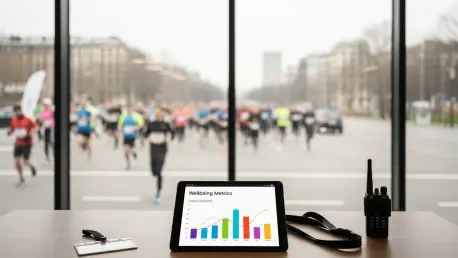

The relentless pace of the live events industry often masks the silent exhaustion of the professionals who build the stages and light the shows we admire. David Walmsley, a seasoned crew chief at Crewsaders, recently decided to confront this culture of burnout by embarking on a staggering physical feat: running 30 marathons in 30 days. This journey serves as a powerful metaphor for the endurance required to survive in a sector where the “show must go on” regardless of personal cost.
The Context: Understanding the Pressures of the Event Industry
For decades, the event sector has thrived on a high-pressure environment characterized by grueling hours and project-based instability. Professionals often navigate the uncertainty of zero-hour contracts, which can lead to significant psychological strain. The systemic nature of these stressors means that burnout is frequently viewed as an inevitable part of the job rather than a manageable risk.
Moreover, the physical demands of technical production often overshadow the mental toll taken on the workforce. When the success of a multi-million dollar production rests on tight deadlines, human vulnerability is often sidelined. This initiative highlights the urgent need to reshape these labor standards to ensure long-term health.
Key Pillars of the 30-Day Challenge: Fundraising and Visibility
Walmsley’s route from the Isle of Skye to London represents a symbolic bridge across the UK, bringing the conversation of mental health to diverse local communities. By running through these regions, he transforms a solitary struggle into a public dialogue. The funds raised during this 786-mile trek provide vital resources for organizations specifically equipped to handle the unique needs of this workforce.
Support for Technical and Production Crews
Backup Tech plays a central role in this effort by offering tailored financial and wellbeing assistance to behind-the-scenes staff. Unlike general charities, this organization understands the specific rhythm of the production world. This specialized support ensures that those who keep the industry running have a safety net during their darkest moments.
National Mental Health Advocacy
The collaboration with Mind and the Scottish Action for Mental Health (SAMH) provides a broad-spectrum psychological toolkit for workers across all levels. These resources are essential for addressing the wider psychological impacts of the industry’s culture. By supporting these groups, the initiative ensures that help is accessible regardless of geographic location or specific job title.
Raising On-the-Ground Visibility
This challenge is about more than just money; it is about making the “invisible” workforce seen. As Walmsley passes through various cities, he sparks local conversations that challenge the stigma of seeking help. This visibility is crucial for workers who may feel isolated by the transient and demanding nature of their careers.
What Sets the Initiative Apart: A Unique Intersection of Physical and Mental Strength
This effort transcends traditional corporate social responsibility by showcasing the raw physical toll of extreme endurance. Walmsley’s perspective as a crew chief adds a layer of authenticity that resonates with his peers. He is not an outsider looking in; he is a veteran of the daily grind, proving that even the strongest individuals need support.
Furthermore, the challenge bridges the gap between high production standards and human limits. It demonstrates that peak performance should not come at the expense of a person’s psychological health. This unique approach turns a personal sacrifice into a collective industry lesson on the importance of resilience and vulnerability.
The State of Support: Current Trends in Event Industry Wellbeing
The industry is seeing a shift with the rise of advocacy groups like Eventwell and 6ft From the Spotlight. These organizations provide practical solutions, such as designated “quiet spaces” at loud festivals and specialized training for touring crews. These developments indicate a growing recognition that mental health is a logistical requirement, not a luxury.
Additionally, production companies are beginning to formalize wellness programs as part of their standard operating procedures. The implementation of mental health first aiders on-site is becoming more common, signaling a move toward proactive rather than reactive care. These trends reflect a fundamental change in how the industry values its human capital.
Reflection and Broader Impacts
Reflection
While extreme physical challenges effectively capture public attention, the real test lies in maintaining this momentum over time. The effectiveness of current mental health training must be continuously evaluated to ensure it meets the evolving needs of event staff. It is essential that the awareness generated by such feats translates into permanent structural changes within staffing agencies.
Broader Impact
These initiatives are likely to influence future labor standards and improve talent retention across the live events sector. When wellbeing is prioritized, the industry becomes more attractive to new talent and more sustainable for veterans. This cultural shift suggests that the future of events will be built on the health of the people behind the scenes.
Walmsley’s journey highlighted that a sustainable future requires moving beyond mere awareness toward actionable policy. Companies should now integrate comprehensive wellness protocols into every contract and production plan. This shift ensured that the legacy of the 786-mile run was a healthier, more resilient work culture for everyone involved.