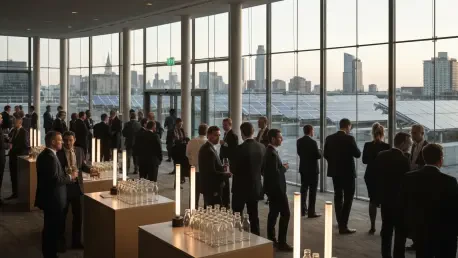

Imagine a corporate event where every detail, from the energy powering the lights to the water served in reusable containers, contributes to a measurable reduction in environmental impact. This isn’t a distant dream but a growing reality in the events industry, where smart venues are redefining what it means to host sustainable gatherings. As corporate clients demand more accountability for their Environmental, Social, and Governance (ESG) goals, venues are stepping up with innovative practices that go beyond mere branding. The push toward sustainability isn’t just a trend; it’s becoming a fundamental expectation that shapes how events are planned and executed. This report dives into the transformative role of smart venues, exploring their sustainability features, the challenges they face, and the future of an industry under pressure to deliver genuine environmental progress.
The Rise of Sustainable Smart Venues in the Events Industry
The events industry stands at a pivotal moment, with sustainability emerging as a core priority for stakeholders across the board. Corporate events, conferences, and exhibitions are no longer judged solely on logistics or aesthetics but increasingly on their environmental footprint. Clients, especially large corporations, are aligning their event choices with broader ESG objectives, seeking venues that can demonstrate real impact through transparent practices. This shift reflects a broader cultural change, where environmental responsibility isn’t just a nice-to-have but a critical business metric.
Technological advancements play a vital role in this transformation, enabling smart venues to integrate systems like energy-efficient lighting and digital carbon tracking tools. Venues such as 15Hatfields in London have set a high bar, showcasing how sustainability can be woven into operations through zero-waste policies and renewable energy adoption. Their influence is pushing others in the industry to follow suit, creating a ripple effect that raises standards across markets. Moreover, regulatory pressures are tightening, compelling venues to adapt or risk falling behind in a competitive landscape.
What’s clear is that aligning with corporate ESG goals isn’t optional anymore. As regulations around emissions and waste management become stricter, venues must innovate to stay relevant. This dynamic is reshaping the industry, with sustainability becoming a key differentiator for clients who prioritize measurable outcomes over superficial claims. The stage is set for smart venues to lead, but the path forward requires navigating complex challenges and seizing emerging opportunities.
Key Trends and Market Dynamics Shaping Sustainable Venues
Emerging Sustainability Trends and Technological Innovations
A defining trend in the events industry is the outright rejection of greenwashing, with clients demanding transparency in sustainability claims. Smart venues are responding by adopting technologies like carbon calculators to provide detailed emissions data, alongside renewable energy systems that power events with minimal environmental impact. These innovations aren’t just tools; they represent a commitment to accountability that resonates deeply with corporate clients focused on data-driven results.
Beyond technology, consumer behavior is evolving rapidly. Corporate clients now scrutinize venues for hard evidence of sustainability, often tying their event decisions to metrics that support their ESG reporting. Stakeholder expectations and regulatory mandates further fuel this shift, creating a market where eco-friendly practices aren’t just a bonus but a necessity. Venues that embrace these trends stand to differentiate themselves, carving out a niche in an increasingly discerning industry.
Market Performance and Future Growth Projections
Current data reveals a surge in the adoption of sustainability features among smart venues, with many reporting higher client satisfaction when ESG alignment is prioritized. Industry reports suggest steady growth in this segment over the coming years, particularly as more venues invest in infrastructure to meet client demands. From now through 2027, projections indicate a notable uptick in venues incorporating standardized sustainability metrics, which will likely become a benchmark for market competitiveness.
Looking ahead, sustainability is poised to shape venue selection and client partnerships fundamentally. Clients are expected to gravitate toward venues that can offer verifiable impact, pushing the industry to refine its practices. As standardized metrics gain traction, they will likely redefine how venues position themselves, turning environmental responsibility into a cornerstone of business strategy. The future promises a landscape where sustainability isn’t just an edge but an expectation.
Navigating Challenges in Implementing Sustainability Features
Adopting comprehensive sustainability practices isn’t without hurdles for smart venues. High upfront costs for infrastructure upgrades, such as installing renewable energy systems, often deter smaller players from making the leap. Additionally, existing limitations in building design can complicate efforts to integrate green technologies, leaving some venues struggling to keep pace with industry leaders.
Technological integration poses another layer of difficulty, as complex systems like on-site energy generation require expertise and ongoing maintenance. Compounding this are market-driven issues, such as a persistent knowledge gap among event planners who may not fully grasp the importance of sustainability features. This oversight can hinder demand for greener options, slowing the broader adoption of best practices across the sector.
Nevertheless, solutions are within reach. Education initiatives targeting planners can bridge the awareness gap, while partnerships with eco-friendly suppliers streamline sustainable operations. Venues can also navigate regulatory and operational complexities by investing in scalable systems and fostering collaborations that align with client expectations. Overcoming these challenges isn’t just feasible; it’s essential for maintaining a competitive edge in a rapidly evolving market.
The Regulatory Landscape Impacting Sustainable Venue Practices
Regulations are increasingly shaping how smart venues approach sustainability, with laws on carbon emissions and waste management setting clear benchmarks. Policies targeting Scope 3 emissions reporting, which cover indirect impacts like travel and procurement, hold significant implications for both venues and their corporate clients. Compliance with these standards isn’t merely a legal obligation; it’s a pathway to building trust and avoiding the reputational risks tied to unsubstantiated environmental claims.
Operational practices are also feeling the impact of regulatory shifts, with mandatory emissions tracking and sustainable procurement becoming the norm. Venues must adapt to these requirements, often rethinking supply chains and energy use to meet stringent guidelines. Such changes, while challenging, reinforce accountability in an industry under scrutiny for its environmental footprint.
To stay ahead, smart venues are leveraging certifications and strategic partnerships to enhance credibility. These efforts not only ensure compliance but also position venues as reliable partners for clients navigating their own regulatory landscapes. As rules evolve, proactive adaptation will be key to maintaining relevance and fostering long-term relationships with stakeholders who value environmental stewardship.
The Future of Smart Venues: Sustainability as a Competitive Edge
Looking to the horizon, sustainability stands out as a defining factor for smart venues in the events industry. Emerging technologies, such as advanced data analytics for emissions reporting and innovations in circular economy practices, promise to deepen the impact of green initiatives. These tools will enable venues to offer clients unprecedented transparency, further solidifying their role as leaders in environmental responsibility.
Market disruptors, including tighter ESG regulations and shifting corporate priorities, are set to reshape the competitive landscape. Clients are increasingly valuing measurable outcomes, pushing venues to prioritize transparency over mere promises. This shift underscores a broader trend: environmental accountability is becoming a non-negotiable criterion for business partnerships.
Innovation, paired with global economic conditions and regulatory evolution, will continue to drive growth areas for sustainable venues. Those that invest in cutting-edge solutions and adapt to changing expectations will likely thrive, while others risk obsolescence. The future of smart venues hinges on their ability to turn sustainability into a true differentiator, meeting client needs with both vision and verifiable impact.
Wrapping Up: The Imperative of Sustainable Smart Venues
Reflecting on the journey through this report, it was evident that sustainability features had become central to the identity of smart venues in the events industry. The exploration of carbon reporting, zero waste to landfill, circular economy materials, eco-friendly supplier partnerships, sustainable water use, and renewable energy highlighted their profound influence on meeting corporate ESG goals. Each element had played a part in shifting the narrative from superficial claims to tangible results.
The discussions around challenges and regulatory pressures revealed a landscape that demanded adaptation and foresight. Moving forward, venues should focus on actionable steps like collaborating with planners and clients to standardize sustainability metrics, ensuring shared goals were met with precision. Investing in education and industry-wide initiatives to combat greenwashing also emerged as a vital next step.
Ultimately, the path ahead pointed to a need for deeper innovation and commitment. Venues that had embraced data-driven practices and fostered partnerships stood poised for success, while others needed to catch up. The industry had reached a turning point where sustainability was not just impressive but indispensable, urging all players to prioritize measurable progress over mere promises.