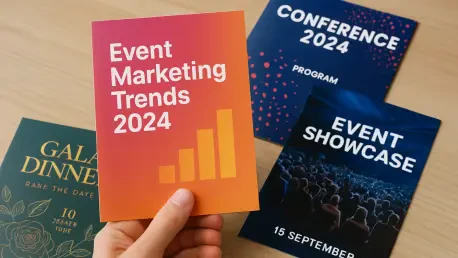

The physical weight of a premium event program in a professional’s hand often carries more psychological authority than a dozen push notifications flashing across a smartphone screen. As the modern event sector navigates an environment saturated by digital noise, the resurgence of high-quality physical media marks a significant shift in how organizers approach attendee engagement. While digital tools have revolutionized logistics, they frequently fail to provide the tactile “high-touch” experience that distinguishes a premier industry gathering from a routine webinar. This renaissance of print is not merely a nostalgic retreat but a strategic response to the demand for tangible value in an increasingly virtual professional landscape.
Today, the role of print manufacturers and designers has evolved from simple service providers to essential market players who help set the standards for event excellence. These professionals understand that high-quality print assets serve as cognitive anchors, offering a necessary balance to the high-tech tools used for mapping and scheduling. By focusing on the sensory details of premium media, planners can provide a sophisticated atmosphere that digital interfaces often lack. This evolution highlights a growing recognition that the most effective events are those that honor the human need for physical connection and tactile information processing.
Cognitive Dynamics and Market Evolution in Attendee Engagement
From Digital Friction to Tactile Focus: Emerging Trends in Event Psychology
Modern professional gatherings are increasingly plagued by digital friction, a state where the very apps designed to help attendees instead create a distraction loop. When a participant unlocks a device to check a session time, they are immediately vulnerable to a barrage of emails and social media alerts that pull them away from the live experience. Evolving consumer behaviors indicate a clear preference for screen-free intervals, as professionals seek to combat the sensory overload inherent in back-to-back digital interactions. This shift has turned the “curated guide” into a luxury asset, driving a renewed market for premium printing that offers information without the digital baggage.
By providing high-quality physical assets, organizers allow attendees to maintain their focus on the present environment rather than a glowing screen. This tactile focus facilitates a deeper level of engagement with the content being presented on stage or in workshops. Moreover, the trend toward physical media reflects a broader psychological desire for boundaries between work-related notifications and the educational value of a live conference. As a result, the demand for sophisticated, printed programs has surged as a tool for ensuring that the attendee’s attention remains where it belongs: on the event itself.
Measuring the Impact: Performance Indicators and the Future of Physical Media
The impact of physical media is best measured through dwell time and the depth of attention an attendee grants to specific materials. Physical assets, unlike digital ones, encourage a slower and more deliberate consumption of information, which leads to better retention of key themes and brand messages. Market projections indicate a steady growth in the premium event stationery and large-format printing sectors through 2028, driven by the needs of luxury and high-stakes corporate summits. These events increasingly utilize sustainable, high-quality materials—such as heavy-stock FSC-certified papers—to signal a commitment to both excellence and environmental responsibility.
Looking ahead, the shift toward these sustainable yet luxurious materials will likely become a primary hallmark of professional events. The ability of a physical object to persist in an attendee’s environment long after the event concludes provides a lingering brand presence that a deleted app cannot match. As planners look for ways to justify investment, the longevity and cognitive impact of high-fidelity print offer a compelling case for its continued inclusion in event budgets. The future of the industry lies in these high-quality materials that serve as both functional tools and prestigious keepsakes.
Overcoming the Digital Bias: Challenges in Integrating Physical Assets
One of the primary obstacles to the integration of physical media is the perceived obsolescence associated with the paperless movement in corporate environments. Many organizations equate “digital” with “modern,” viewing print as a costly or inefficient relic of the past. Additionally, the logistical challenges of print, such as longer lead times and the inability to make instant updates, often deter planners who prioritize the convenience of digital flexibility. However, these hurdles can be mitigated through modular print design, where core information is printed on high-quality stock while variable details are handled through smaller, on-demand inserts.
By adopting a modular approach, organizers can enjoy the prestige of high-fidelity production without sacrificing the ability to adapt to last-minute changes. This strategy also addresses the cost concerns by focusing investment on the pieces that provide the most sensory value. Proposing these solutions requires a shift in mindset, moving away from the idea that print and digital are in competition. Instead, they should be viewed as complementary forces that, when combined correctly, provide a more robust and reliable infrastructure for attendee communication.
Standards of Quality: The Regulatory and Environmental Landscape
Environmental regulations and sustainability standards have fundamentally reshaped the printing industry, making certifications like the Forest Stewardship Council (FSC) a non-negotiable requirement for high-end events. These standards ensure that the pursuit of a tactile experience does not come at an unacceptable ecological cost. Simultaneously, accessibility standards have gained prominence, requiring designers to prioritize inclusive typography and high-contrast layouts in all printed materials. This focus on inclusivity ensures that the cognitive benefits of print are available to all attendees, regardless of their visual or processing needs.
Beyond environmental and accessibility concerns, physical media plays a critical role in the security landscape of modern event management. High-quality badges with embedded security features and coded materials provide a level of authentication that is difficult to replicate digitally. These physical security assets allow for seamless access control while maintaining the professional aesthetic of the event. As security concerns grow more complex, the marriage of high-quality print with advanced verification technologies offers a reliable solution for managing high-profile gatherings with confidence.
The Phygital Horizon: Technological Disruptors and Future Growth
The integration of QR codes, Near Field Communication (NFC) tags, and Augmented Reality (AR) overlays has created a “phygital” bridge between the physical and digital worlds. These innovations allow a static printed page to act as a portal to dynamic, updated content, combining the permanence of print with the agility of the web. Future growth in this sector will likely be driven by smart inks and unique paper textures that respond to touch or temperature, further enhancing the sensory experience. These technological disruptors ensure that print remains a cutting-edge medium rather than an outdated one.
As these hybrid technologies mature, high-quality print will increasingly act as a symbolic weight that fosters long-term brand loyalty. When an attendee keeps a beautifully designed, tech-enabled program, they are keeping a piece of the brand’s identity. This physical persistence is invaluable in a world where digital content is often viewed as disposable. By investing in these innovative tactile experiences, event planners can ensure that their brand remains top-of-mind long after the virtual sessions have ended and the devices have been put away.
Synthesis of Value: Maximizing Retention Through Tangible Investment
Integrating high-quality print into event strategy proved to be an essential move for minimizing cognitive load and maximizing the retention of complex information. Organizers realized that the most successful gatherings utilized a sophisticated blend of digital agility for real-time updates and physical permanence for foundational learning. This balanced approach ensured that attendees were not just present in body but also fully engaged in mind. Moving forward, event planners should prioritize the inclusion of tactile assets as a core component of the attendee experience rather than an optional add-on. Investing in premium materials and modular design strategies will likely result in higher satisfaction scores and more resilient brand connections. Ultimately, the future success of the industry depended on recognizing that in a world of fleeting digital pixels, the most lasting impressions were often those that could be felt.