
The unmistakable scent of flame-grilled beef has defined the American roadway for decades, yet even the most steadfast culinary icons must eventually face the scrutiny of a changing world. For the first time in ten long years, Burger King is stepping away from the “if it ain’t broke, don’t fix it” philosophy to implement a comprehensive overhaul of its flagship sandwich. This move represents a high-stakes gamble on quality, signaling that the brand is ready to move beyond the era of flashy, short-lived gimmicks in favor of a more substantial and permanent improvement to its core identity.
Redefining the Standard for a Fast-Food Legend
The Whopper has functioned as a cornerstone of the quick-service industry since its inception, maintaining a recipe that remained largely static while competitors cycled through endless seasonal promotions. However, the decision to alter a fifty-year-old icon reflects a calculated effort to satisfy a more discerning modern palate that craves both nostalgia and refinement. This is not a radical departure from the original flame-grilled formula, but rather a sophisticated polishing of the elements that made the sandwich famous in the first place.
By prioritizing the foundation of the menu, the brand aims to prove that even a legacy product can evolve without losing its soul. The strategy moves the focus away from temporary marketing distractions and places it squarely on the quality of the daily guest experience. This refinement suggests that the future of fast food lies not in more choices, but in better versions of the choices that customers already know and love.
The Evolution of Customer Expectations in the Modern Market
Today’s diners have moved past the era where speed was the only metric that mattered, increasingly prioritizing ingredient transparency and food integrity. This update serves as a direct response to a massive guest feedback campaign, revealing that modern consumers are no longer satisfied with the standard assembly-line approach. By listening to these shifting demands, the company is addressing a broader industry trend where consistency and high-quality ingredients serve as the primary drivers of brand loyalty.
The shift toward a more premium experience is a necessity in a market where the gap between traditional fast food and “fast-casual” dining continues to shrink. Customers now expect their drive-thru orders to mirror the quality of a sit-down meal, demanding fresher produce and a more intentional preparation process. This evolution reflects a growing consensus that the modern burger must stand up to higher scrutiny regarding its sourcing and overall presentation.
A Breakdown of the Structural and Culinary Enhancements
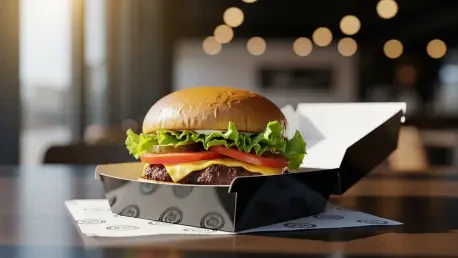
To ensure the sandwich maintains its appeal from the kitchen to the customer’s home, several structural and culinary modifications were introduced. A redesigned bun now provides a sturdier, more flavorful base for the quarter-pound of 100% flame-grilled beef, preventing the bread from becoming overwhelmed by the toppings. Furthermore, the brand is transitioning from traditional paper wraps to boxed packaging, a critical move designed to solve the age-old problem of sandwich compression during transport.
The refinements also extend to the condiments, which have been recalibrated to enhance rather than mask the smoky profile of the meat. Specifically, the mayonnaise has been updated to offer a cleaner flavor that complements the freshly cut onions, crisp lettuce, tomatoes, and pickles. While these ingredients remain the same, the operational standards for their preparation have been tightened to ensure that every layer contributes to a balanced and premium texture in every bite.
Strategic Insights from Leadership on the Flame-Grilled Future
Tom Curtis, President of Burger King U.S. & Canada, views this transformation as a vital component of a multi-year elevation strategy for the brand’s 19,000 global locations. The corporate vision has shifted from a focus on restaurant aesthetics and logistical hardware to a “food-first” mentality that prioritizes the core menu. According to internal insights, the goal was to modernize the guest experience without alienating the loyal fan base that expects a specific flame-grilled profile.
This initiative also aligns with a commitment to removing artificial colors, flavors, and preservatives, bridging the gap between mass-market convenience and premium quality. By leaning into guest-led innovation, the leadership team is betting that a more transparent and refined product will foster long-term growth. The transition reflects a belief that operational excellence at the grill is the most effective way to secure the brand’s position in an increasingly competitive landscape.
How to Recognize the Quality Shift at Your Local Franchise
Discerning diners can immediately identify the updates by looking for several visual and textural cues during their next visit. The most obvious change is the presentation; the new boxed format ensures that the sandwich arrives without the “squished” appearance often associated with traditional fast food. Upon the first bite, the resilience of the new bun and the crispness of the vegetables—which are now handled with stricter freshness protocols—should be noticeably different from previous iterations.
To truly appreciate the shift, one should observe the temperature and consistency of the refined condiments against the heat of the beef patty. These elements were specifically calibrated to hold up better under varied conditions, ensuring a reliable experience whether eating in the restaurant or on the go. Moving forward, the success of this initiative will likely depend on how consistently local franchises can execute these higher standards. Customers should look for these subtle yet significant improvements as a benchmark for the brand’s commitment to a more premium future.