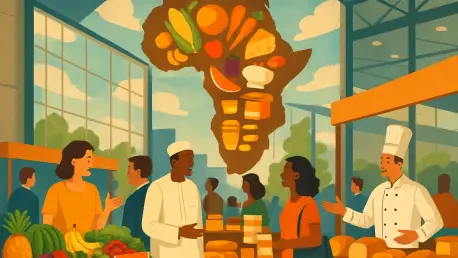

The rhythmic pulse of the Cape Town International Convention Centre is set to intensify from June 10 to 12, 2026, as the Africa Food Show convenes global leaders to address a market on the brink of a historic trillion-dollar valuation. This gathering is not merely a trade exhibition but a vital intervention in a landscape where the sheer scale of opportunity is matched only by the complexity of its logistical and social hurdles. As the continent navigates a period of rapid economic restructuring, the event serves as a central clearinghouse for the technologies and partnerships required to modernize food systems from the ground up. By focusing on the intersection of investment and infrastructure, the show aims to provide a definitive answer to how Africa can leverage its demographic dividend to ensure long-term regional stability and global competitiveness.
Economic Trajectory and the Hunger Paradox
Driving Forces of Market Expansion
The current momentum within the African food and beverage sector is characterized by a remarkable valuation surge, climbing from $346 billion just two years ago toward a projected $567 billion by 2032. This trajectory is underpinned by a young, digitally native population that is increasingly moving into urban centers, fundamentally altering how food is sourced, processed, and consumed. As disposable incomes rise among the emerging middle class, there is a visible shift toward organized retail and a heightened demand for premium, health-oriented products that offer both convenience and quality. This modernization of the consumer profile is forcing domestic producers to adopt advanced manufacturing standards and sophisticated branding to compete with international imports, creating a vibrant environment for capital investment and technological integration across the entire supply chain.
Beyond simple volume, the qualitative shift in African consumption patterns is opening niche markets for organic, plant-based, and fortified food products that were once considered luxury items. Digital connectivity plays a pivotal role here, as e-commerce platforms and fintech solutions streamline the procurement process for both individual consumers and small-scale retailers. This digital layer allows for better data collection on consumer preferences, enabling manufacturers to tailor their output to specific regional tastes and dietary requirements. Consequently, the Africa Food Show 2026 acts as a primary catalyst for these trends, providing a physical space where data-driven insights meet physical production capabilities, ensuring that the growth of the sector remains aligned with the actual needs of a rapidly evolving and increasingly discerning continental customer base.
Solving the Systemic Hunger Gap
Despite the optimistic financial forecasts and the burgeoning wealth in urban hubs, a profound structural contradiction persists, often referred to by economists as the African “hunger paradox.” While the market edges toward the trillion-dollar mark, more than 20% of the population continues to grapple with varying degrees of food insecurity, highlighting a disconnect between market value and equitable distribution. The 2026 exhibition tackles this head-on by prioritizing innovations in post-harvest loss reduction and cold-chain logistics, which are essential for stabilizing food prices and ensuring that surplus production reaches the most vulnerable regions. By focusing on these systemic inefficiencies, the event seeks to transform the food industry from a purely extractive economy into a resilient social infrastructure capable of supporting over half a billion people.
Addressing this gap requires more than just increased production; it demands a radical reimagining of how food moves from the farm gate to the dinner plate in underserved areas. Industry experts at the show are emphasizing the role of decentralized processing units and affordable preservation technologies that can be deployed in rural settings. Such interventions help mitigate the impact of volatile global commodity prices by building local self-sufficiency and reducing the reliance on expensive, long-distance imports. This strategic shift not only enhances food security but also creates employment opportunities within the agricultural value chain, effectively turning a humanitarian challenge into an economic engine. The goal is to ensure that the wealth generated by the $1 trillion market is reinvested into the very systems that protect the continent’s most at-risk populations.
Strategic Evolution and Hospitality Synergy
Rebranding for a Modern Marketplace
The transition from the legacy brand “Africa’s Big 7” to the more inclusive “Africa Food Show” represents a fundamental pivot toward a unified, pan-African sourcing strategy that reflects global trade standards. This rebranding is a response to the need for a more cohesive identity that can attract high-level institutional investors and international trade delegations looking for a single point of entry into the African market. By streamlining the exhibition’s focus, organizers have created a more efficient ecosystem for deal-making, allowing professionals from over 60 countries to bypass traditional bureaucratic barriers. This evolution ensures that the event is no longer just a regional showcase but a primary node in the global food supply chain, facilitating the large-scale distribution networks that are necessary for domestic manufacturers to scale their operations.
The success of this strategic shift is evident in the increased participation of major industry players who view the show as a critical venue for establishing “real commercial momentum.” Moving a product from the development phase to the retail shelf requires a complex web of certifications, distribution agreements, and marketing support, all of which are facilitated through the show’s structured networking programs. For many local entrepreneurs, the event provides the first opportunity to present their innovations to a global audience of senior buyers and distributors. This exposure is vital for refining route-to-market strategies and ensuring that African-made products can meet the rigorous quality standards required for export. By fostering these high-level connections, the show is effectively professionalizing the F&B sector and setting the stage for a new era of industrial growth.
The Interconnection of Food and Tourism
A significant highlight of the 2026 event is its strategic co-location with the Hotel & Hospitality Expo Africa, a move that recognizes the inseparable link between the food industry and the continent’s booming tourism sector. With the hotel development pipeline currently exceeding 100,000 rooms, the demand for sophisticated foodservice solutions and high-quality ingredients has reached an all-time high. This synergy allows hospitality groups and senior procurement officers to source everything from industrial kitchen equipment to specialized beverage innovations in a single, integrated environment. The collaboration acknowledges that the growth of the tourism industry is a primary driver of F&B consumption, particularly for high-end products that cater to international travelers and the domestic luxury market, thereby creating a feedback loop of economic expansion.
This integration extends beyond simple procurement to include the collaborative development of “food tourism” as a distinct economic category within Africa. By showcasing the continent’s diverse culinary heritage through events like the Africa Culinary Cup, the show helps to elevate African cuisine on the global stage, further driving interest in regional ingredients and traditional cooking methods. This approach encourages hospitality providers to source locally, which strengthens the domestic agricultural sector and reduces the carbon footprint associated with imported luxury goods. The resulting ecosystem benefits everyone from the smallholder farmer producing heirloom grains to the executive chef at a five-star resort, creating a more sustainable and culturally authentic hospitality industry that is well-equipped to meet the demands of the modern, socially conscious traveler.
Value Chain Collaboration and Thought Leadership
Strengthening Industry Networks and Knowledge
The long-term viability of the African food economy depends heavily on the strength of the connections between its various stakeholders, from raw material suppliers to final retailers. The 2026 show serves as a hub for this collaborative mindset, backed by influential sponsors and industry giants who recognize that individual success is tied to the health of the entire value chain. Beyond the transactional nature of the trade floor, the inclusion of national food challenges and culinary competitions provides a platform for displaying craftsmanship and product innovation. These features do more than entertain; they set the benchmarks for quality and creativity that drive the rest of the industry forward. By celebrating excellence in food preparation and presentation, the event inspires a new generation of professionals to view the food sector as a prestigious and viable career path.
Educational workshops and thought leadership sessions form the intellectual backbone of the exhibition, providing attendees with the tools to navigate a rapidly changing regulatory and technological environment. These sessions cover critical topics such as food safety protocols, sustainable packaging solutions, and the integration of artificial intelligence in supply chain management. By fostering a culture of continuous learning and knowledge sharing, the Africa Food Show 2026 ensures that the industry is not just growing in size, but also in maturity and sophistication. This focus on “future-proofing” the sector helps businesses anticipate market shifts and adapt their operations before challenges become crises. Ultimately, the wealth of expertise shared during the event serves as a roadmap for the next decade of development, guiding the continent toward a more resilient, efficient, and profitable food future.
Strategic Implementation and Future Steps
The conclusions drawn from the 2026 gathering suggest that the path toward a $1 trillion market is paved with localized investment and the aggressive adoption of smart logistics. Moving forward, the primary focus for stakeholders must be the harmonization of trade regulations across borders to fully realize the potential of the African Continental Free Trade Area (AfCFTA). This will involve creating more robust digital clearing systems that reduce the time and cost of moving perishable goods between nations. Additionally, private-public partnerships should prioritize the expansion of energy-efficient cold storage facilities to minimize waste. By implementing these practical solutions, the industry moved from theoretical potential to tangible economic dominance, ensuring that the growth observed today laid the groundwork for a more food-secure and prosperous continent in the years that followed.