
Katarina Railko brings a wealth of expertise to the hospitality sector, having honed her craft within the intricate worlds of international travel, tourism, and high-profile event management. As a key voice in the evolution of luxury dining, she possesses a keen eye for how architecture and culinary tradition intersect to create immersive guest experiences. In this discussion, we explore the strategic expansion of a renowned culinary brand to the Miami waterfront, delving into the nuances of Northern Mexican flavors, the psychology of high-end restaurant design, and the operational precision required to manage a massive 10,000-square-foot destination on Brickell Key.
Moving from a successful landlocked flagship to the waterfront of Brickell Key involves significant logistical and cultural adjustments. How did the specific energy of Miami influence the decision to expand here, and what operational steps were taken to adapt the brand’s identity to a coastal, high-rise environment?
The decision to bring this concept to Miami was driven by the city’s vibrant, global energy and the unique serenity of the Brickell Key waterfront. While the Dallas flagship established our reputation for craftsmanship, Miami demanded a more fluid connection between the indoors and the natural coastal landscape. Operationally, we had to rethink how the brand lives within a high-rise setting, ensuring that the 10,000-square-foot space felt integrated with the Biscayne Bay views rather than isolated from them. We adapted by incorporating floor-to-ceiling windows and expansive terraces that invite the sea breeze and the city’s light into the dining experience. This transition allows us to maintain our core identity of Mexican heritage while embracing the sophisticated, outdoor-centric lifestyle that Miami guests expect.
High-end restaurant design often balances grand scales, such as a 10,000-square-foot footprint, with intimate textures like hand-painted tiles and woven ceilings. How does architectural craftsmanship impact a guest’s psychological transition from the entrance to the waterfront terrace, and what specific details define this sense of luxury?
The architectural journey is designed to be transformative, moving the guest from the bustling city into a curated sanctuary of Mexican artistry. As you enter through the golden archway and massive wooden doors, the immediate sight of the signature woven ceiling and sculptural lighting creates a sense of awe and enclosure. This intimacy is balanced by the grand scale of the main dining room, where stone-accented booths and hand-painted tiles provide tactile reminders of artisanal heritage. By the time a guest reaches the lower waterfront terrace, the transition from heavy, warm textures to the open-air environment feels natural because the luxury is consistent in every detail. This deliberate flow ensures that even in a space that accommodates 330 people, the atmosphere remains personal and deeply rooted in a sense of place.
Northern Mexican cuisine relies on specific techniques and premium sourcing for dishes like Barbacoa de Arrachera or Lobster Elote. What modern culinary methods are used to elevate these traditional recipes, and how do you ensure flavors remain authentic while catering to a city’s unique ingredient-driven dining culture?
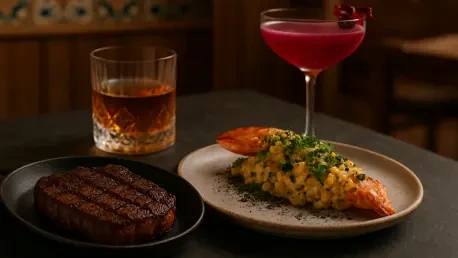
Our culinary philosophy centers on taking the robust, earthy flavors of Monterrey and refining them through contemporary execution and meticulous sourcing. For example, our Barbacoa de Arrachera utilizes slow-cooking techniques to ensure the skirt steak is incredibly tender while retaining the deep, smoky profile of traditional Northern preparations. We also embrace Miami’s coastal identity by introducing exclusive items like the Tuna Tomahawk, which highlights the city’s preference for fresh, high-quality seafood. By layering traditional elements like Oaxacan cheese and habanero ash with premium ingredients like Maine lobster and truffle, we create a bridge between heritage and modern fine dining. This ensures that every dish feels authentic to its roots but is presented with the precision and elegance required by a sophisticated metropolitan palate.
Curating a premium tequila and mezcal gallery requires a strategic balance between rare reserve bottles and approachable signature cocktails. What is the process for selecting spirits for such an extensive collection, and how do these flavor profiles interact with the heat and spice of a sophisticated Mexican menu?
The selection process for our tequila and mezcal gallery is highly intentional, focusing on spirits that reflect the diversity of the Mexican landscape. We curate everything from rare reserve selections like the Zapata and Pancho Villa to approachable, vibrant cocktails such as the Mujeres Divinas, which uses hibiscus and damiana to create a floral balance. These spirits are chosen specifically for their ability to complement the complex heat and spice found in our kitchen’s creations. A smoky mezcal can enhance the richness of bone marrow tacos, while a bright, citrus-forward tequila provides a necessary acidity to cut through the creaminess of our Lobster Elote. It is about creating a dialogue between the glass and the plate, ensuring the beverage program is an extension of the culinary narrative.
Hospitality rooted in tradition focuses heavily on the pacing of the meal and genuine personal interactions. How do you train a large staff to maintain this level of attentiveness across multiple dining rooms, and what steps are taken to ensure the service matches the high-end aesthetic of the space?
Maintaining impeccable hospitality across a high-volume venue requires a rigorous commitment to training that prioritizes the “human” element of the service. We teach our staff that dining is meant to be savored and shared, focusing heavily on the rhythm and pacing of the meal so that guests never feel rushed despite the large scale of the operation. Each interaction is designed to be warm and genuine, reflecting the graciousness inherent in Mexican culture. To match the high-end aesthetic of the design, we emphasize attention to detail—from the way a table is cleared to the subtle anticipation of a guest’s needs. This level of attentiveness ensures that the service feels as handcrafted and intentional as the sculptural lighting or the hand-painted tiles surrounding the guests.
Developing a destination that includes private dining rooms, a central bar, and a lower terrace requires a cohesive flow for 330 guests. What are the challenges of managing such a diverse layout, and how do you maintain a consistent atmosphere across both indoor and open-air seating areas?
Managing a diverse layout for 330 guests is a logistical puzzle that requires a seamless flow between very different environments. The challenge lies in ensuring that a guest in a secluded private dining room receives the same energy and level of service as someone at the lively waterfront bar. We achieve this by using consistent design motifs, such as softly illuminated walls and stone accents, which tie the indoor and outdoor spaces together. The transition is anchored by the central bar and the grand main dining room, which act as the heart of the restaurant, pulsing with a shared atmosphere of sophisticated luxury. By carefully managing acoustics and lighting levels across the different zones, we ensure the “vibe” remains cohesive, whether you are dining under the woven ceiling or steps away from the water on the lower terrace.
What is your forecast for the future of modern Mexican fine dining in South Florida?
I believe we are entering an era where Mexican cuisine will finally be recognized in South Florida for its incredible depth, moving far beyond casual interpretations into the realm of true luxury and architectural artistry. Guests are increasingly seeking out “destination dining” that offers a complete sensory immersion, combining high-design environments with a deep respect for regional culinary heritage. In the coming years, I expect to see more concepts that prioritize meticulous sourcing and ancient techniques elevated by modern technology, much like we are doing on Brickell Key. Miami’s unique position as a cultural crossroads makes it the perfect stage for this evolution, where the sophistication of the setting and the soul of the food work in perfect harmony to redefine what fine dining can be.