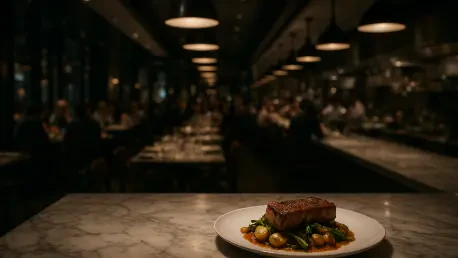

Restaurateurs are finding that modern consumers are willing to trade traditional table service for a lower bill and consistent culinary integrity. The hospitality sector is currently navigating a period of radical transformation as operators adapt to a volatile economic landscape defined by a complex pincer movement of soaring overheads and a tightening cost-of-living crisis. These pressures have forced industry veterans to rethink the traditional service models that long defined the upper echelons of the culinary world. This shift has given rise to a new breed of dining establishments that prioritize affordability without sacrificing the high standards of a professional kitchen. By targeting modest price points and stripping away unnecessary flourishes, these innovators are bridging the gap between luxury and accessibility. This strategy ensures their survival in a market where consumers are increasingly selective about discretionary spending, yet still crave a professional experience. The central focus of this trend is the affordability promise, where high-end standards are maintained within a fixed framework.
A Shifting Landscape for Independent Operators
The Migration Factor: Why Suburban Expansion Works
The exodus of independent talent from metropolitan centers to the suburbs has become a defining characteristic of the current hospitality landscape. Rising commercial rents and the overwhelming dominance of large corporate hospitality groups in central business districts have created an environment that is increasingly hostile to creative risk-takers. Consequently, many seasoned chefs are seeking refuge in residential pockets where overhead costs are significantly lower and the potential for genuine community engagement is much higher. This migration is allowing professionals to strip away the unnecessary layers of corporate management and financial pressure that often stifle innovation in the city. In these suburban settings, the focus shifts from satisfying transient crowds to cultivating deep relationships with local residents who seek consistent, high-quality dining options close to home. This strategic relocation provides the financial breathing room necessary to experiment with lower prices without the constant threat of a bankruptcy.
Beyond the financial advantages of lower rent and decreased payroll taxes, the move toward suburban locations offers a more emotionally sustainable model for industry professionals. The intense pressure of maintaining a high-profile presence in city centers often results in a culture of burnout, which many are now actively rejecting. By operating in smaller, more intimate suburban spaces, restaurateurs can maintain a leaner staff and a more direct connection to the kitchen and the floor. This proximity allows for a more authentic expression of culinary identity, free from the lunacy of the high-turnover environments that have historically defined the upper echelons of the industry. The result is a dining experience that feels more personal and intentional, resonating with a consumer base that values authenticity as much as affordability. This shift is effectively decentralizing the dining scene, transforming quiet neighborhoods into vibrant culinary hubs that can support diverse business models while remaining resilient to the economic volatility.
Market Polarization: The Squeeze on Mid-Range Dining
A sharp bifurcation is currently occurring within the restaurant industry, leaving those in the traditional middle ground in an extremely precarious position. Establishments that attempt to offer a conventional full-service experience at mid-range prices are finding it nearly impossible to balance rising costs with what customers are willing to pay. As a result, the industry is splitting into two distinct tiers: ultra-premium luxury experiences and high-value, quality-first casual venues. This polarization suggests that survival requires a definitive choice between exclusivity and mass-market efficiency. Attempting to bridge this gap with moderate service and pricing often leads to a diluted brand identity that fails to attract either the luxury seeker or the value-conscious diner. For a restaurant to survive now, it must either provide an exclusive, high-ticket experience or commit fully to a lean, accessible model that rewards the guest with exceptional value. This environment leaves no room for the mediocre or the inefficient middle tier.
The disappearance of the middle ground is largely driven by the accumulation of operational costs that consumers rarely see but always eventually pay for. From the escalating cost of artisan-produced goods to the increasing complexity of regulatory compliance, every aspect of running a kitchen has become more expensive. When these costs are layered onto a traditional service model—one that requires a large front-of-house team—the math simply no longer works for a mid-priced menu. Forward-thinking operators have realized that the only way to protect the quality of the food is to eliminate the costly overhead associated with the middle tier. By committing to a lean model, these businesses can redirect their limited resources toward sourcing better ingredients and retaining skilled kitchen talent. This shift represents a fundamental rejection of the average dining experience, forcing the industry to innovate and provide either undeniable luxury or undeniable value, with little room left for anything else in between.
Strategic Models for Modern Hospitality Survival
Operational Efficiency: Leveraging Technology and Volume
To maintain profitability while keeping menu prices low, modern restaurateurs are ruthlessly auditing their service models and integrating technology to replace expensive manual labor. The widespread adoption of QR codes and digital ordering systems has allowed many establishments to operate with a significantly reduced front-of-house staff, a change that was once controversial but is now widely accepted. This trade-off is one that contemporary diners are increasingly willing to make in exchange for a lower final bill and a more streamlined, efficient experience. By automating the transactional aspects of the meal, such as ordering and payment, staff members are freed up to focus on the essential tasks of food delivery and basic hospitality. This technological integration does more than just save on labor costs; it also reduces human error and allows for a faster pace of service. In an environment where every second of table time counts, these digital tools are essential for maintaining the high volume required to make low-margin dining sustainable.
The financial viability of the high-quality, low-cost model depends heavily on the ability of a venue to achieve high table turnover throughout the week. Many successful small venues have moved away from the traditional reservation system, instead favoring a walk-in-only policy that encourages a dine and depart culture. By serving hundreds of covers per week in a relatively small footprint, these establishments can offset the slim profit margins they earn on individual plates with the sheer aggregate volume of customers. This approach requires a level of operational discipline that is often absent in larger, more formal dining rooms. Every aspect of the experience, from the kitchen layout to the simplicity of the menu, is designed to facilitate speed and efficiency without making the guest feel rushed. The goal is to create a high-energy atmosphere that rewards the diner with excellent food at an accessible price, while ensuring that the business remains profitable through constant movement. This focus on volume has turned small suburban bistros into efficient engines.
Menu Innovation: Strategic Sourcing and Consumer Psychology
Achieving genuine affordability requires a sophisticated approach to menu engineering and the strategic use of what are known as loss leaders. Some of the most successful venues are now offering high-status luxury items, such as premium steak or fresh seafood, at prices that are near or even below their actual cost. These items serve as powerful drawcards that attract a wider audience and build significant brand loyalty. While the profit margin on these specific dishes is negligible, they are carefully balanced by a menu that features other items with much higher margins, alongside the sale of premium bottled wines and artisanal beverages. This strategy effectively democratizes luxury, allowing diners who might normally be priced out of high-end gastronomy to experience top-tier ingredients in a casual setting. The presence of these flagship items elevates the entire brand, creating a perception of extreme value that encourages repeat visits and positive word-of-mouth, which are vital for any business operating on thin margins.
The success stories observed in these affordable pivots provided a clear blueprint for the future of independent hospitality. The findings indicated that success in the current climate was predicated on lean service, strategic location, and a focus on volume over high individual margins. This model represented a necessary evolution of the industry, proving that restaurants remained competitive by reimagining the dining interaction as a high-volume, low-friction experience. Ultimately, the survival of the sector depended on this ability to adapt, ensuring that professional cooking remained accessible even as the economic environment remained challenging. Moving forward, the most effective strategy involved a deep commitment to operational transparency and the ruthless elimination of any overhead that did not directly contribute to the quality of the plate. By embracing these changes, restaurateurs secured their place in a new dining landscape that favored the agile and the efficient. This transition ensured that the art of professional cooking stayed alive for the masses.