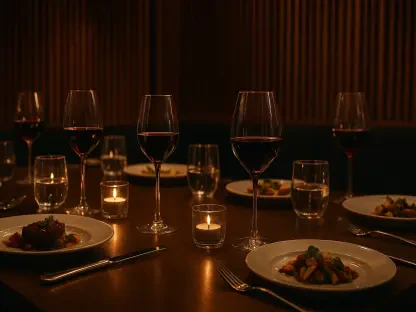

Establishing a temporary event space on the plateau requires a circular layout designed to provide an intimate atmosphere within the massive scale of the monument area. The Giza Plateau serves as one of the most rigorously protected heritage sites on earth, governed by a primary mission of preservation rather than hospitality. Hosting a private event here, such as the high-profile wedding of Dr. Monica Nayyar and Vivek Nandha, represents a massive departure from standard luxury destination planning. It is not a matter of simply booking a space; it is a high-stakes operation that blends modern celebration with ancient historical sanctity. This type of event requires a fundamental shift in mindset where the couple must act more like diplomats than clients, prioritizing the integrity of the monument above all else. Success is rooted in a deep sense of intent and cultural respect, framing the occasion as a tribute to shared history rather than a display of wealth. By proving their commitment to protecting the site, the hosts transition the event into a heritage-sensitive operation that honors the past as much as the future.
Part 1: Navigating the Bureaucracy of Ancient Heritage
Securing the Giza Plateau for a private function involves a staggering level of government oversight that far exceeds typical event permitting found in the commercial sector. There is no standard application form or public booking office for such a venture; instead, access is the result of a rigorous, multi-layered review process that spans several months. Approval must be granted by the Ministry of Tourism and Antiquities, the Supreme Council of Antiquities, and various national security divisions. Every detail, from the architectural blueprints of temporary structures to the professional backgrounds of the couple themselves, is scrutinized to ensure the event aligns with the site’s national and historical significance. This bureaucratic landscape ensures that only those with a genuine connection to the country and a demonstrated respect for its laws can move forward. It is a process defined by high-level diplomacy, requiring significant persistence and multiple site inspections to satisfy the strict requirements of Egyptian authorities.
Part 2: Diplomatic Prerequisites for Monument Access
In this high-stakes environment, personal history and established trust are often more valuable than a massive budget or a standard event planning portfolio. For the Nayyar-Nandha wedding, the groom’s previous professional ties to Cairo and his work with the United Nations provided a foundation of credibility that helped initiate these complex discussions. Building on this foundation, the planning team had to present a vision that was as much about archaeological stewardship as it was about luxury. The authorities demanded transparency at every stage, requiring the planners to act as intermediaries between the couple’s desires and the state’s preservation mandates. This approach naturally leads to a scenario where the event becomes a collaborative effort with the government rather than a private transaction. By the time the final permits were issued in 2026, the project had undergone thousands of hours of vetting, proving that access to world heritage sites is a privilege earned through rigorous administrative and social diplomacy.
Part 3: Engineering Challenges: Floating Above the Sands
The design philosophy for an event at the Pyramids is defined by the principle of designing for the desert rather than against its natural or historical state. Unlike traditional venues with existing infrastructure, the Giza Plateau offers nothing but sand and stone, presenting significant physical hurdles. The most critical constraint is that no structure is allowed to touch or penetrate the ancient ground directly to avoid any potential subsurface impact. To solve this, engineers must utilize sophisticated modular systems to create floating platforms and walkways that hover above the terrain. These structures are designed to distribute weight evenly across a broad surface area, ensuring that no pressure is placed on potential archaeological layers hidden beneath the sand. This engineering marvel allows for a temporary luxury venue to exist without leaving a single permanent mark on the landscape, essentially creating a self-sustaining environment that respects the fragility of the site while providing a stable foundation for guests.
Part 4: Maintaining Visual and Physical Site Integrity
Environmental and visual restrictions further dictate the aesthetic and functional possibilities of a wedding at this location. To protect the ancient limestone stones from physical damage, common wedding elements like pyrotechnics, open fire, and heavy-vibration sound systems are strictly prohibited by the government. Lighting must be strategically managed to illuminate the guests and the floor without interfering with the visual majesty of the monuments or causing any heat damage to the historic surfaces. Every material used, from the color of the fabric to the type of cabling, must be pre-approved by heritage inspectors who monitor the build to ensure the site’s aesthetic integrity remains uncompromised. This meticulous attention to detail ensures that the modern elements of the wedding do not clash with the timeless nature of the Pyramids. Planners must rely on subtle, sophisticated design choices that enhance the natural beauty of the area while adhering to the rigorous safety standards set by the Supreme Council of Antiquities.
Part 5: Security Protocols for High-Profile Heritage Events
Once permissions are granted, the operation transitions into a state-level security mode that mirrors a diplomatic summit. Every individual involved in the event, including the 180 guests, the catering staff, and the construction workers, must undergo rigorous background checks. This process requires the submission of passport information and identification documents well in advance of the event date for multi-stage screening. Access to the plateau is tightly controlled through private gates that open only during specific, pre-arranged windows. All equipment and supplies are subjected to intense inspections before they are allowed onto the grounds, ensuring that the security of the national monument is never at risk. This level of scrutiny is non-negotiable and requires a high degree of cooperation from all parties involved. The goal is to maintain a sterile and secure environment that protects both the high-profile attendees and the invaluable archaeological treasures that surround them throughout the duration of the ceremony.
Part 6: Operational Oversight and Heritage Inspections
Throughout the setup and the event itself, government oversight remains constant and highly visible to the production team. Heritage inspectors and specialized security forces are present on-site at all times to supervise the movement of people and the placement of equipment. This constant monitoring ensures that the invisible logistics of the event—the things guests never see—are executed with military precision and in full compliance with the law. If a single cable or platform segment deviates from the approved plan, work is immediately halted until the issue is rectified. This high-pressure environment demands that the planning team be flexible and highly responsive to the directions of the Egyptian officials. The presence of these experts serves as a reminder that the wedding is a secondary priority to the preservation of the site. By integrating these oversight protocols into the daily workflow, the organizers successfully created a seamless experience for the attendees that masked the complex security environment.
Part 7: Nocturnal Logistics: Building a Desert Venue
The timeline for constructing a venue at the Pyramids is governed by the site’s status as an active and popular tourist destination. All physical labor and construction must occur at night, between sunset and sunrise, to avoid disrupting daily visitors and the site’s standard operations. For the Nayyar-Nandha wedding, this meant ten consecutive nights of intense labor to install industrial kitchens, power generators, sanitation systems, and the technical infrastructure required for a luxury reception. Because the desert provides zero utilities, every basic necessity had to be trucked in, installed, and tested under the cover of darkness. This nocturnal schedule adds a layer of complexity to the project, requiring specialized lighting and a workforce capable of performing high-precision engineering in the middle of the night. The logistical challenge of building a fully functional, self-sustaining micro-city in a protected desert environment cannot be overstated, as every piece of equipment must be carefully accounted for and managed.
Part 8: Implementation of Leave No Trace Principles
The leave no trace requirement is the most demanding phase of the operation and a fundamental condition of the permit. After the celebration concluded, the dismantling process was just as rigorous as the initial setup, taking several days to return the plateau to its original state. The objective was to ensure that the presence of hundreds of people and tons of heavy equipment left no permanent footprint on the sand. This involved a meticulous sweep of the area to remove every piece of debris, from large platform components down to the smallest cable tie or food scrap. The commitment to archaeological preservation was a cornerstone of the agreement with the Egyptian government, reinforcing the idea that the event was a temporary guest in an eternal location. Following the final inspection by the heritage authorities, the site was officially handed back in pristine condition, proving that modern luxury can coexist with ancient history when handled with an extraordinary degree of respect and professional discipline.
Part 9: Economic Realities: The Cost of Heritage
Planning a high-stakes wedding at a location like Giza required an exponential increase in both time and financial investment compared to traditional destination venues. A minimum of one year was necessary to navigate the approval process and handle the logistics of importing all the infrastructure. Financially, the venue fee paid to the government represented only a small portion of the total expenditure. The majority of the budget was consumed by the specialized engineering, private security details, and the necessity of building a self-sustaining environment from scratch. This economic reality means that such events remain a rare exception in the wedding industry, reserved for those who have the resources to fund an entire infrastructure project for a single night. For the hosts, the investment was viewed as a strategic choice to create a culturally significant experience that offered a level of exclusivity and historical gravity that could not be purchased through any conventional luxury channel or high-end hotel ballroom.
Part 10: Strategic Insights: The Future of Cultural Events
The successful execution of this event provided several actionable insights for those considering the intersection of luxury and heritage. It was clear that the relationship with the host government was the most critical factor, as permissions were based on trust and demonstrated cultural respect rather than financial power alone. Future planners should prioritize long-term diplomatic engagement and early consultation with archaeological experts before attempting to secure similar sites. This approach ensured that the celebration was integrated into the history of the location without causing harm, setting a new standard for hyper-curated heritage experiences. The event demonstrated that the ultra-high-net-worth segment increasingly sought locations that offered meaningful historical connections. By moving away from standardized luxury, the organizers proved that the most exclusive venues of the future will be those that require the highest degree of stewardship and logistical excellence to access, effectively turning a private celebration into a protected piece of national history.