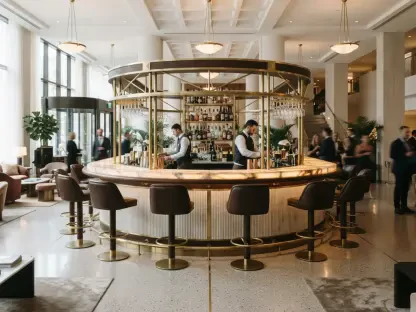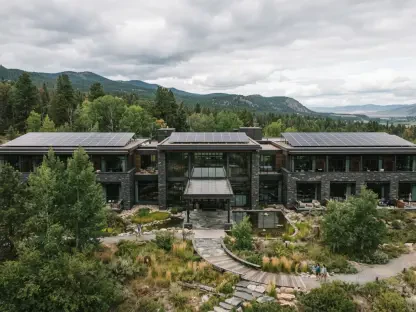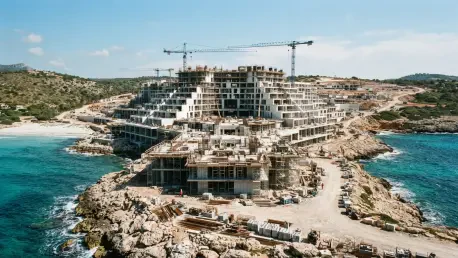

A new preference for integrated resort models is emerging, with thirty-two percent of new capital targeting projects that blend luxury hospitality with high-end residential real estate. This strategic pivot marks a definitive turning point for the Egyptian tourism sector, which has successfully transitioned from a period of demand stabilization to an era of aggressive capital execution. For decades, the primary concern for regional stakeholders was the inherent volatility of tourism demand and the unpredictability of visitor arrivals. However, recent data confirms that the “demand story” is now a settled matter, with the industry shifting its collective focus toward the mechanics of deploying massive capital and ensuring the timely delivery of world-class infrastructure. The prevailing sentiment across the market suggests that Egypt’s fundamental strengths are now robust enough to support a sophisticated, investment-heavy hospitality powerhouse that rivals established global destinations. This evolution is being driven by a newfound clarity in policy and a surge in institutional interest that views the nation as a centerpiece of the Mediterranean and Red Sea leisure corridors.
Unprecedented Investor Confidence and Economic Realities
The level of optimism currently permeating the hospitality investment landscape is nearly unprecedented, with approximately ninety-seven percent of surveyed investors expressing a positive outlook for the medium-term horizon. This bullish sentiment is backed by tangible expectations regarding Revenue Per Available Room (RevPAR), as eighty-six percent of participants anticipate continued improvement in performance metrics through 2026 and beyond. Half of these stakeholders are forecasting moderate growth, while over a third are preparing for a significant surge in profitability driven by high-end international arrivals. The consensus within the industry is that the market has moved past the “attraction” phase and entered a period where the primary challenge is no longer finding guests, but rather expanding the physical capacity to host them. This wave of confidence is providing the necessary momentum for developers to break ground on ambitious projects that were previously considered too speculative, fundamentally altering the country’s hospitality skyline.
However, this widespread confidence is tempered by a realistic assessment of structural economic challenges that continue to influence capital allocation strategies. While the risk of fluctuating demand has largely vanished, it has been replaced by capital-related constraints such as foreign exchange volatility and the rising cost of debt. Investors remain particularly attentive to currency management and the long-term implications of regional geopolitics on capital repatriation. Foreign exchange risk remains a top priority for international institutional players, who require stable fiscal environments to underwrite large-scale developments. Consequently, the investment case for the region is now framed as a balance between extraordinary market demand and the technicalities of financial structuring. Success in this environment requires a sophisticated approach to risk mitigation, where developers leverage diverse financing instruments and strategic partnerships to navigate the complexities of the broader macroeconomic climate while capitalizing on the undeniable growth in visitor numbers.
The Influence of Gulf Capital and Project Diversification
The landscape of hotel ownership is undergoing a significant transformation as Gulf Cooperation Council (GCC) investors take a leading role in funding the next generation of hospitality assets. This influx of capital from neighboring sovereign and private entities now accounts for forty-five percent of new investment activity, a figure that is more than double the share of local private investment. The prominence of Gulf capital signifies a strategic alignment between the massive liquidity available in the GCC and the high-value development opportunities found along Egypt’s coastlines. These investors are not merely providing funding; they are bringing global expertise and a preference for large-scale, high-impact projects that redefine luxury standards. This regional synergy is fostering a more competitive environment where international operators are increasingly eager to partner with well-capitalized Gulf entities to secure a foothold in one of the world’s fastest-growing tourism markets.
As this capital flows into the country, there is a distinct move away from traditional pure-play hotel developments in favor of diversified mixed-use models. Branded residences have emerged as a particularly attractive asset class, offering developers the ability to mitigate long-term operational risks by generating immediate liquidity through residential sales. This model provides a quicker path to return on investment compared to standard hotel projects, which often have longer gestation periods. By blending hospitality services with high-end real estate, developers are creating self-sustaining ecosystems that appeal to both short-term tourists and long-term expatriate residents. This trend toward diversification is essential for the industry’s resilience, as it allows projects to remain financially viable even during temporary fluctuations in occupancy. The integration of luxury residential units into hotel projects has become the new benchmark for excellence, providing a diversified revenue stream that supports the ambitious scale of modern developments.
The North Coast Evolution and Geographic Priorities
A major geographic shift is currently reshaping the industry as the North Coast emerges as the premier destination for high-value hospitality investment. For the first time, this region has surpassed traditional powerhouses like Cairo and Giza in terms of investor interest, capturing nearly forty percent of all new development attention. This evolution is driven by a collective ambition to transform the Mediterranean coastline from a domestic summer retreat into a year-round international hub. Recent large-scale land deals and massive infrastructure commitments have provided a significant boost to investor confidence, signaling that the region is ready for a permanent seat on the global stage. The transition toward year-round operations is seen as the next great frontier for the sector, with nearly all market participants expecting this shift to be fully realized within the next decade. The North Coast’s potential is no longer a localized secret; it has become a central pillar of the national tourism strategy.
The success of this geographic pivot is inextricably linked to the rapid expansion of air connectivity and supporting infrastructure. Investors believe that the primary obstacle to the North Coast’s year-round viability is the current seasonal nature of flight schedules and the availability of essential services during the winter months. To address this, there is a coordinated effort to improve airport capacity and transportation networks that link the Mediterranean coast to major European and Middle Eastern markets. Without consistent year-round flight access, the transition from a seasonal resort to a permanent hospitality destination would be significantly delayed. Consequently, developers are prioritizing projects that are located near major transit hubs and are advocating for policies that incentivize airlines to maintain regular service throughout the year. The North Coast is being reimagined as a sophisticated extension of the global luxury travel circuit, offering a unique Mediterranean experience that complements the traditional winter appeal of the Red Sea.
Identifying the Heritage Gap and Scalability Challenges
Despite the overwhelming focus on coastal leisure, a significant disconnect persists between traveler demand for cultural heritage and the current levels of capital investment in historical centers. Cultural and heritage tourism remains one of the strongest drivers of visitor arrivals, yet only a small fraction of investors are currently prioritizing projects in Luxor, Aswan, or the Nile corridor. This “Heritage Gap” suggests a market inefficiency where the inherent value of the country’s historical assets is not yet fully reflected in the hospitality pipeline. The reluctance to invest heavily in heritage sites is often attributed to the complexity of working within protected areas and the logistical challenges of modernizing infrastructure in ancient cities. However, this gap represents a massive “blue ocean” opportunity for visionary developers who are willing to navigate these complexities to cater to the growing demographic of affluent cultural travelers seeking authentic experiences.
The scalability of coastal projects continues to be a primary draw for large-scale institutional capital, as beach-front locations allow for expansive developments that are often easier to execute than urban heritage projects. Coastal developments benefit from a “herd mentality” where the success of early movers encourages a cluster of supporting services and secondary investments. In contrast, the Nile corridor requires a more bespoke and nuanced approach to development that balances modern luxury with preservation requirements. To bridge this gap, a shift in strategy is required where heritage-focused projects are integrated into broader tourism circuits that combine cultural exploration with coastal relaxation. By creating synergistic travel experiences, the industry can ensure that the economic benefits of tourism are more evenly distributed across the country. Addressing the Heritage Gap is not just a matter of cultural preservation; it is a strategic necessity for diversifying the nation’s tourism portfolio and ensuring long-term sustainability.
Aviation and Talent as Essential Growth Enablers
Reaching the ambitious target of thirty million international visitors by 2030 requires an urgent focus on the two most critical enablers of the hospitality sector: aviation capacity and human capital. More than half of industry stakeholders currently view existing air connectivity as inadequate to meet the projected growth in room supply. Aviation is frequently described as the “speed governor” of the hospitality industry, as hotel occupancy rates are directly dependent on the availability and affordability of flights. Expanding airport infrastructure, particularly in emerging hubs like the North Coast, is seen as a non-negotiable prerequisite for future expansion. The government and private sector must work in tandem to ensure that the growth in luxury accommodation is matched by a corresponding increase in seat capacity from key source markets. Without this alignment, even the most prestigious hotel developments will struggle to achieve their full commercial potential.
In addition to physical infrastructure, the industry is increasingly recognizing that the “soft” infrastructure of talent and service quality is a primary driver of asset value. Seventy-five percent of investors now identify workforce training and talent development as a more critical lever for success than brand affiliation. In the 2026 market, the ability to deliver exceptional, personalized service is what distinguishes a world-class destination from its competitors. This has led to a shift in how hotel owners view human resources, moving from a mindset of cost management to one of strategic investment. Investing in people through specialized training programs and professional development is now seen as a direct way to improve operational efficiency and enhance the long-term valuation of hospitality assets. As the sector becomes more professionalized, the focus on human capital will remain a top priority for any developer looking to maintain a competitive edge in an increasingly crowded global market.
Future Considerations: Strategic Implementation and Market Maturity
The hospitality sector successfully transitioned into a new phase where execution became the primary metric of progress. The industry moved past the initial challenges of attracting demand and instead focused on the technicalities of building a resilient and scalable investment hub. Stakeholders realized that the long-term success of the region depended on a coherent policy package that included investment incentives, infrastructure development, and regulatory streamlining. Capital flows prioritized projects that integrated residential components, providing the necessary liquidity to fund massive expansions along the North Coast and Red Sea. This era of development established a new baseline for luxury and operational excellence that significantly elevated the nation’s standing in the global tourism hierarchy.
To sustain this momentum, the focus must now shift toward the long-term sustainability and diversification of the hospitality portfolio. This includes addressing the investment gap in cultural heritage sites and continuing to expand aviation capacity to ensure that every new hotel room is supported by a reliable influx of international travelers. The professionalization of the workforce should remain a core objective, as the quality of service will ultimately define the brand identity of the nation’s hospitality sector. By maintaining a predictable regulatory environment and fostering deep cooperation between the public and private sectors, the industry can ensure that it remains a top destination for global capital. The progress made by 2026 served as a blueprint for a mature, investment-heavy market that successfully leveraged its unique geographic and historical assets to become a global leader in tourism.