
The building’s climate control and water heating systems are powered entirely by electricity, marking a significant shift away from traditional fossil fuel dependency. This ambitious engineering feat serves as the foundation for the Sugar House Hotel, a recent addition to the Tribute Portfolio by Marriott located in the heart of Winooski, Vermont. By eliminating gas lines and on-site fuel tanks entirely, the developers have established a new benchmark for decarbonization in the lodging sector. The 115-room facility operates as a net-zero energy property, utilizing advanced building envelopes and high-efficiency mechanical systems to minimize its ecological footprint. This project, a collaborative effort between Nedde Real Estate and Lodging Capital Partners, reflects a growing movement within the hospitality industry to move beyond mere aesthetic sustainability toward deep, structural environmental responsibility that aligns with the global transition to renewable energy sources as we move from 2026.
Advanced Sustainable Infrastructure: Engineering a Carbon-Free Future
Geothermal Solutions: Harnessing Underground Stability
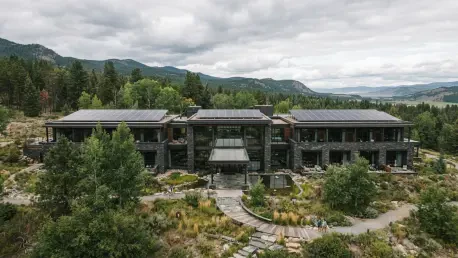
At the core of the hotel’s operational efficiency is a sophisticated geothermal well system that taps into the Earth’s constant temperature to regulate the indoor climate. This subterranean infrastructure allows for high-efficiency heat exchange, significantly reducing the energy required to maintain comfort during Vermont’s harsh winters and humid summers. To supplement the power needs of the facility, rooftop solar arrays were meticulously installed to generate approximately one-third of the total electricity required for daily operations. This hybrid approach ensures that the property can manage its own energy demand while contributing to the overall stability of the local grid. Furthermore, the integration of low-flow water fixtures across all guest rooms and public spaces reinforces a holistic approach to resource conservation. These technical specifications demonstrate that luxury accommodations can function autonomously from traditional combustion-based utilities without sacrificing high-end comfort or modern amenities.
Circular Economy: Repurposing Regional History
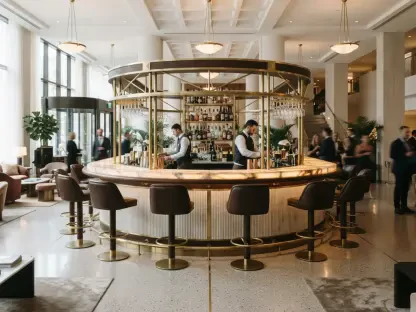
Beyond the primary heating and power systems, the development team prioritized the circular economy by sourcing materials that carry historical weight and local significance. A prime example is the extensive use of repurposed timber recovered from the historic North Hero drawbridge, which was transformed into custom interior furniture and polished bar surfaces within the lobby and lounge. This choice not only diverted waste from landfills but also embedded a tangible piece of Vermont’s structural history into the hotel’s modern fabric. To accommodate the increasing shift toward sustainable transportation, the property includes multiple electric vehicle charging stations and provides an all-electric shuttle service for guest transfers to the nearby airport. These initiatives reflect a broader strategy to mitigate the indirect carbon emissions associated with travel, ensuring that the guest’s environmental impact is minimized. This commitment to lifecycle management sets a precedent for how urban developments integrate ecological responsibility.
Cultivating a Sense of Place: Authentic Design and Community
Architectural Narrative: The Modern Sugarhouse Aesthetic
The architectural narrative of the property is deeply inspired by the traditional Vermont maple sugarhouse, a design choice that fosters an immediate connection between the visitor and the local culture. Upon entering, guests encounter a twenty-foot indoor maple tree and a massive hearth crafted from native Green Mountain schist, anchoring the lobby in natural elements. This aesthetic approach, described as being “of Vermont” rather than merely located within it, emphasizes the importance of regional identity in a globalized market. The hotel serves as a gateway to the local environment through a signature 180-foot wooden bridge that connects the building directly to the Winooski Gorge Natural Area. This physical link provides guests with seamless access to a 1.2-mile trail loop and pristine fly-fishing spots, effectively blurring the lines between high-end urban lodging and the rugged outdoors. Such design integration encourages travelers to engage with the landscape, fostering a deeper appreciation for natural habitats.
Operational Insights: Lessons for Future Hospitality
The successful implementation of this all-electric framework provided a clear roadmap for developers looking to navigate the complexities of net-zero construction. It became evident that early integration of geothermal technology and solar capacity was essential for achieving the efficiency levels required for LEED Platinum certification. Stakeholders across the hospitality sector recognized that leveraging local history through repurposed materials could enhance brand storytelling while reducing the overall carbon intensity of new builds. To replicate this success, future projects were encouraged to prioritize site-specific energy audits and long-term partnerships with local environmental agencies. Investors shifted their focus toward properties that offered direct access to natural preserves, acknowledging that modern travelers valued ecological immersion as much as traditional amenities. The adoption of electric transportation and circular material sourcing emerged as a standard expectation rather than a niche luxury for the entire industry.