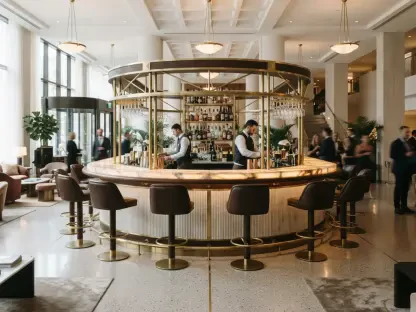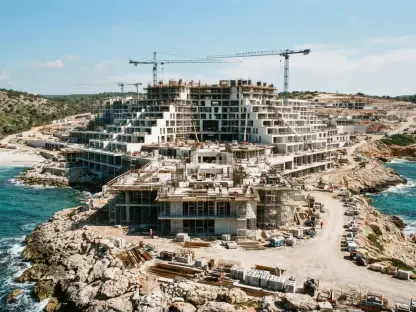

The 2026 expansion of the American Express hotel portfolio focuses on experience-led travel, reflecting a significant shift in how Platinum Card Members choose their lodging. This strategic move coincides with the 35th anniversary of the Fine Hotels + Resorts program, signaling a robust commitment to high-end hospitality. By integrating over 350 new luxury properties, the total collection now exceeds 3,400 establishments across 116 countries. This growth is not merely about volume; it represents a response to travelers who view accommodation as the primary driver of their journey rather than a secondary consideration. As the travel landscape matures, the demand for curated, high-end environments has surged, prompting American Express to diversify its offerings across broader geographic regions and thematic interests. This massive influx of options ensures that members have access to exclusive benefits in the world’s most sought-after locations, from bustling urban centers to remote wellness retreats.
Evolution of the Fine Hotels + Resorts Legacy
From a Printed Directory: The Digital Transformation
When the Fine Hotels + Resorts program debuted in 1991, the hospitality market operated under a vastly different set of expectations and technological constraints. At its inception, the program consisted of a curated list of only 120 properties, which were meticulously documented in a physical, printed directory distributed to cardholders. These early partnerships were heavily concentrated within the United States, reflecting the domestic travel patterns of the era. However, the vision was always international in scope, laying the groundwork for a network that would eventually span the globe. Over the following three and a half decades, this modest directory evolved into a sophisticated digital powerhouse, leveraging real-time booking data and global connectivity to serve a much larger audience. The transition from paper to a seamless digital ecosystem allowed for a more dynamic relationship with partner hotels, enabling the program to scale rapidly.
Modern Global Authority: The Shift to Authenticity
In the current climate of 2026, the program’s longevity serves as a benchmark for excellence in the luxury travel sector, showcasing an ability to adapt to shifting cultural norms. The expansion into regions like Southeast Asia and Eastern Europe illustrates a move away from traditional tourist hubs toward destinations that offer deeper cultural immersion. Modern travelers are no longer satisfied with generic luxury; they seek properties that possess a distinct sense of place and history. By securing long-term partnerships with both legendary independent icons and premier global brands, American Express has created a diverse portfolio that ranges from historic European palaces to minimalist retreats in Japan. This evolution highlights a fundamental change in how properties are identified, prioritizing those that offer unique narratives and specialized amenities. The ability to maintain brand consistency across a varied network is a testament to the program’s foundation.
Enhancing Value Through Curated Benefits
Maximizing the Platinum Card Member Experience: Tiered Rewards
The cornerstone of the current expansion lies in the specific, tangible benefits that define the Fine Hotels + Resorts experience for Platinum Card Members. A hallmark of the program since its founding has been the guaranteed 4:00 p.m. late check-out, a feature that provides travelers with an additional day of relaxation and flexibility. Complementing this are daily breakfast for two and potential room upgrades, which significantly enhance the overall value of each stay. To celebrate the 35-year milestone, many properties are currently offering complimentary nights on eligible bookings, making milestone celebrations more accessible and rewarding. These incentives are strategically designed to transform a standard hotel reservation into an elevated event where the guest feels prioritized from arrival to departure. By focusing on these high-touch service elements, the program continues to differentiate itself from standard platforms.
The Hotel Collection: Flexible Stays and Experience Credits
Parallel to the top-tier program, The Hotel Collection provides a curated experience designed for stays of at least two nights, catering to a broader range of travel styles and durations. This collection offers a $100 experience credit, which can be applied toward on-site services such as signature spa treatments, fine dining, or other eligible property-specific charges. Additionally, members can benefit from room upgrades upon arrival and flexible check-in and check-out options, subject to availability. This tiered approach allows for a comprehensive suite of hospitality options that align with different traveler needs, whether they are planning a brief urban getaway or a more international expedition. By providing these structured benefits, the company ensures that every trip feels intentionally designed and high-value, regardless of the destination. This strategy not only rewards the cardholder but also drives meaningful engagement.
Aligning with Global Travel Trends
Targeting Meaningful Archetypes: Authenticity and Immersion
The expansion strategy for 2026 is deeply rooted in comprehensive data derived from the latest Global Travel Trends report, which highlights a significant move toward authentic and hobby-specific travel. Modern travelers are increasingly looking for meaningful experiences that go beyond sightseeing, leading to the creation of specific traveler archetypes. One such archetype, “Miles on Milestones,” focuses on high-end retreats for major life events, where the setting plays a crucial role in the celebration. Properties like the Selman Marrakech in Morocco are prime examples, offering an equestrian-themed luxury experience that caters to specialized interests while maintaining a high standard of service. This data-driven approach allows for the selection of new properties that resonate with the specific desires of the membership base. By understanding the motives behind travel choices, the portfolio feels personal and relevant to members.
High-Octane Luxury: Catering to Specialized Hobbies
In addition to celebration-focused travel, there is a burgeoning interest in cultural immersion and adventure-led luxury, which is reflected in the 2026 property additions. For instance, the inclusion of Tiad, Autograph Collection in Nagoya, Japan, emphasizes local art and regional history, providing guests with a direct connection to the city’s unique heritage. Conversely, properties like Matakauri Lodge in Queenstown, New Zealand, represent the “high-octane luxury” trend, where travelers seek adrenaline-fueled activities like heli-skiing alongside world-class spa facilities and lakeside relaxation. These additions demonstrate a strategic alignment with the “foodie” traveler as well, with new urban properties in culinary hubs like Buenos Aires positioned near world-class dining scenes. This breadth of choice ensures that the portfolio remains competitive in an era where travelers prioritize their hobbies and personal values when selecting a final destination.
Future Perspectives: Sustaining Global Hospitality Standards
Implementing Strategic Growth: Retrospective Insights
The recent expansion of the American Express Travel portfolio established a new benchmark for how financial institutions integrate into the high-end lifestyle sector. By successfully navigating the complexities of adding 350 properties in a single cycle, the organization demonstrated that scale does not have to come at the expense of curation. The strategic focus on diverse traveler archetypes allowed for a more nuanced approach to luxury, moving away from a one-size-fits-all model. It was observed that the integration of wellness-focused and adventure-oriented lodges met a specific gap in the previous network, particularly in emerging markets like Croatia and the Dominican Republic. This move proved that maintaining a long-standing legacy required constant evolution and an acute awareness of global socioeconomic shifts. The anniversary celebrations served as a bridge between the program’s historic roots and its current digital leadership.
Final Analysis: Capitalizing on the Expanded Portfolio
It was determined that travelers prioritized staying informed about property-specific incentives that went beyond traditional booking perks. The emphasis on experience-led travel suggested that the most successful journeys were those that leveraged the full suite of available credits and unique property access. Card members utilized digital tools to identify hotels that aligned with their specific cultural or recreational interests, as the current portfolio offered unprecedented depth in niche categories. The focus remained on seeking out properties that provided more than just lodging, but rather acted as gateways to local traditions and specialized hobbies. As global travel continued to evolve, the ability to access these curated benefits remained a key differentiator in the premium market. Proactive planning ensured that travelers fully capitalized on the strategic expansions that defined the hospitality landscape throughout 2026.