
The scent of charred galbi and spicy Sichuan peppercorns drifted across Orlando’s Festival Park as thousands of eager attendees lined up hours before the gates officially opened for the city’s newest cultural phenomenon. While many inaugural events struggle to find their footing in a crowded entertainment market, Panda Fest arrived in Central Florida and immediately hit maximum capacity. Over the course of three days, more than 30,000 attendees flooded the grounds, turning a first-time appearance into an overnight sell-out success.
This surge in attendance signaled more than just a passing interest in a weekend activity; it represented a significant milestone for the local event landscape. The sheer volume of ticket sales reflected a calculated expansion into a region that had been vocal about its desire for a large-scale celebration of Asian American and Pacific Islander (AAPI) cultures. By choosing a location known for its diverse population and tourism infrastructure, the organizers transformed a debut event into a premier destination for residents and visitors alike.
Meeting the Growing Demand for Immersive Cultural Experiences
The success of Panda Fest highlights a fundamental shift in how modern audiences consume culture, moving away from simple food markets toward holistic, immersive festivals. In the current event landscape, there is a high premium on authenticity paired with high-production lifestyle elements. This event effectively bridged the gap between traditional heritage and contemporary entertainment, tapping into a nationwide trend of rising interest in AAPI traditions that was previously underserved in Florida’s larger markets.
Furthermore, the festival capitalized on the desire for communal experiences that offer educational value alongside recreation. Attendees were not merely spectators; they participated in a curated journey through different regional customs, which helped create a deeper emotional connection to the brand. This evolution from a transactional market to an experiential festival allowed the organizers to command a higher level of engagement, ensuring that the debut felt like a significant cultural moment rather than just another local fair.
The Pillars of Panda-monium: Culinary Variety and Branding
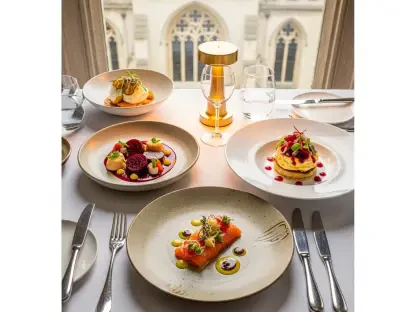
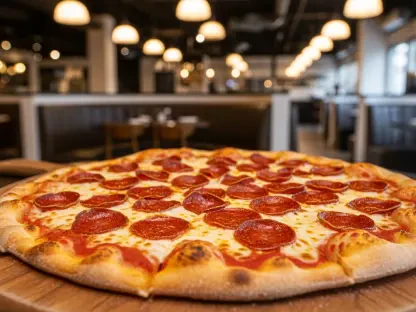
The festival’s sell-out status was driven by a massive gastronomic footprint, featuring over 80 vendors serving 200 unique dishes from nations like Vietnam, Korea, and Japan. From hand-pulled noodles to elaborate street food snacks, the culinary diversity acted as the primary draw for a wide demographic of food enthusiasts. However, the appeal went far beyond the menu, as the festival utilized a consistent visual motif—dubbed “panda-monium”—to create a cohesive and highly shareable brand identity that resonated across various digital platforms.
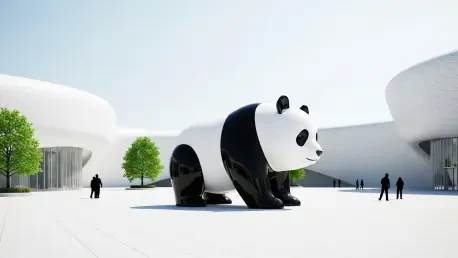
From a 15-foot inflatable panda to themed treats and social media-ready installations, the event provided a family-friendly atmosphere that leveraged “virality” as a core marketing tool. This visual consistency ensured that every guest became a temporary brand ambassador, documenting their experience in real-time. By prioritizing the aesthetic quality of the event alongside the quality of the food, the organizers created a self-sustaining marketing cycle that reached thousands of potential attendees through organic social sharing.
From a New York Pop-Up to a National Powerhouse
Founded by Biubiu Xu in 2024, Panda Fest’s trajectory from a single-day event in New York City to a 12-city national tour demonstrates a scalable blueprint for cultural entrepreneurship. The Orlando debut served as a proof of concept for how the brand can successfully integrate local business participation with national brand recognition. By curating a mix of traditional performances, such as Taiko drumming and Kung Fu, alongside modern staples like K-pop routines and silent discos, the festival established itself as a recurring staple in major markets.
This expansion model relied on the ability to adapt to local tastes while maintaining the core pillars of the original concept. The transition from a boutique pop-up to a large-scale circuit required a sophisticated logistical framework that could handle the complexities of multi-day outdoor hosting. As the brand moved into cities like Seattle, Dallas, and Nashville, it proved that cultural festivals could achieve the same level of professional production and commercial viability as major music or art festivals.
Strategies for Building a Sold-Out Cultural Circuit
The blueprint for Panda Fest’s success offered specific lessons for organizers who looked to engage diverse communities in a meaningful way. First, the team identified high-demand regional gaps where specific cultural celebrations were missing, ensuring they entered a market with a ready and waiting audience. Second, they synthesized authentic tradition with modern lifestyle elements to appeal to multiple generations, creating a space where families and young adults felt equally represented.
The strategy also prioritized “social-first” branding that encouraged attendees to become organic promoters through interactive motifs and highly photogenic environments. Finally, the creation of a curated marketplace empowered local artisans, ensuring the event felt like a community-driven celebration rather than just a commercial endeavor. These methods established a sustainable model for future iterations, proving that when cultural authenticity met modern marketing precision, the result was a recurring success that benefited both the organizers and the local economy.