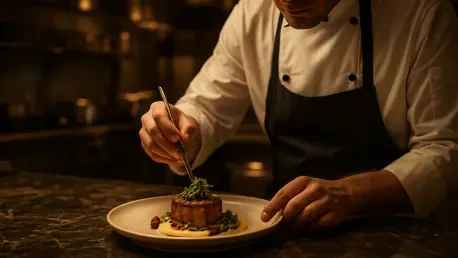

The upcoming Jeddah Market aims to package Middle Eastern heritage into a globally scalable hub that blends traditional souks with modern experiential eateries. This ambitious project exemplifies a monumental transformation within the food and beverage industry, where the simple act of providing sustenance is being replaced by a sophisticated intersection of culinary skill, digital innovation, and social engagement. In the current global landscape, dining out has transitioned from a routine habit into a “considered purchase,” reflecting a shift in how consumers perceive value and experience. While economic pressures remain a reality across many markets, spending has not necessarily decreased; rather, it has become significantly more selective. Modern diners are increasingly prioritizing quality, convenience, and authenticity over brand scale, seeking out establishments that align with specific “customer missions.” Whether it is a quick, health-conscious lunch or a high-end social gathering, the success of contemporary brands depends on their ability to remove friction from the customer journey while staying deeply relevant to the evolving lifestyles of their target demographic.
Global Expansion and the Evolution of Luxury
The global food and beverage market is witnessing a profound evolution as international players redefine the scale and scope of their operations. This expansion is characterized by a strategic move toward “retail-tainment,” where the boundaries between traditional shopping and fine dining are increasingly blurred. Brands are no longer content with standalone locations; instead, they are developing massive, multi-faceted ecosystems that offer a sense of place and culture. By integrating high-quality grocery retail with restaurant-grade service, these operators are tapping into a consumer desire for holistic experiences. This trend is particularly evident in major urban centers and transit hubs, where the convenience of a quick purchase is elevated by the luxury of premium ingredients and expert preparation. As these concepts scale globally, they set new standards for how culinary brands can maintain their cultural identity while adapting to the needs of a diverse, international audience.
Scaling Culinary Excellence: The New Retail Ecosystem
Large-scale international operators are currently executing aggressive expansion strategies to secure their footprint in high-traffic markets. A prime example is the massive investment being funneled into projects across North America, including flagship locations in Philadelphia, Toronto, and Miami. These ventures often involve hundreds of millions of dollars to create integrated marketplaces that serve as cultural ambassadors for specific cuisines. By expanding into high-prestige transit locations like JFK Airport, these brands ensure that they capture a mobile, globalized workforce that values both efficiency and excellence. This model allows guests to shop for imported artisanal goods and then immediately enjoy them prepared by professional chefs in the same space. The success of this approach lies in its ability to offer a cohesive lifestyle ecosystem, providing a level of depth and immersion that traditional standalone restaurants often struggle to replicate in a competitive urban environment.
The Rise of the Curated Food Hall: A Microcosm of Culture
The globalization of luxury is further illustrated by the migration of high-end European brands to dynamic American markets, bringing a sense of “polish and panache” to regions like South Florida. At the same time, the rise of the curated food hall has transformed how cities present their culinary identity. These venues, often gathering as many as twenty different kitchens and multiple bars under one roof, serve as a microcosm of a city’s gastronomic scene. They offer a unique blend of convenience for tourists and a vital social anchor for local residents. By providing a platform for both established chefs and rising culinary stars, these markets create a vibrant, competitive environment that drives innovation. This curated approach ensures that variety does not come at the expense of quality, allowing diners to explore a wide range of flavors in a single, high-energy setting that functions as a community hub rather than just a place to eat.
The Intersection of Technology and Theater
In the modern dining landscape, the plate is no longer the sole focus; it has become a stage for theatrical and technological performance. Leading operators are using advanced tools to transform the act of eating into a multi-sensory journey that engages the imagination as much as the palate. This shift is driven by a tech-savvy generation of consumers who value digital storytelling and immersive environments. From virtual reality headsets to 360-degree digital projection mapping, technology is being used to wrap diners in historical narratives or transport them to entirely different worlds. These developments have turned dining rooms into “spaceship rooms” and cinematic arenas where every dish is accompanied by a shift in visuals and acoustics. This fusion of gastronomy and high-tech production ensures that the meal is remembered long after the last course is served, establishing a new paradigm for what constitutes a luxury dining experience in a digitally connected society.
Digital Immersion at the Table: Beyond the Physical Plate
The use of virtual reality and projection mapping is no longer a gimmick but a core component of the culinary narrative in innovative hubs like Bali and Hong Kong. In these locations, guests are invited to wear VR headsets that transport them through diverse “worlds” paired with specific fusion dishes, creating a literal synchronization of flavor and digital scenery. Other concepts utilize the architecture of the room itself, turning walls and tables into screens that display dramatic historical poetry or abstract art tailored to the menu’s themes. This level of immersion requires meticulous coordination between chefs, digital artists, and sound designers to ensure that the timing of the visuals enhances the sensory perception of the food. By turning the table into a storyteller, these establishments offer a cinematic journey that appeals to the modern desire for “Instagrammable” yet deeply intellectual experiences, effectively redefining the boundaries between a restaurant and a digital gallery.
High-Production Gastronomic Shows: Exclusivity and Illusion
Some of the most exclusive dining experiences in the world are currently being delivered through high-production stage shows that utilize augmented reality and stage illusions. Located in global luxury hubs like Ibiza and Dubai, these venues limit attendance to a single table of twelve guests to maintain an atmosphere of absolute precision and exclusivity. Every element of the meal is treated as a high-stakes performance, where the service staff functions like a stage crew and the chef acts as a director. These gastronomic performance spaces use AR to overlay digital information onto physical dishes, revealing the origin of ingredients or creating visual transformations that challenge the diner’s perception of reality. The focus here is on the total control of the environment, ensuring that every sensory input is curated to support the overall theme. This approach demonstrates that for the modern high-end diner, the narrative and the production value are just as essential as the nutritional content of the ingredients.
Social Commentary Through Cuisine: The Holistic Approach
Moving beyond entertainment, several world-class establishments are using technology and theater as a medium for social commentary and education. Concepts such as “Holistic Cuisine” involve five-to-six-hour theatrical performances held within planetarium domes, where the dining experience is used to discuss global issues like ocean pollution and environmental sustainability. By using food as a sensory tool to deliver complex messages, these restaurants challenge the diner’s worldview and encourage deeper reflection on the ethics of consumption. The use of acoustics, scent, and visual data during the meal turns a dinner into a provocative lecture that remains highly sophisticated and luxurious. This demonstrates that high-tech dining can be a powerful platform for social change, blending the excellence of a Michelin-starred kitchen with the intellectual rigor of a documentary. It reflects a growing trend where diners seek not just comfort, but a meaningful connection to the global challenges facing the food industry.
Sustainability and the Return to Purity
Parallel to the rise of high-tech dining is a significant movement back to the roots of gastronomy, focusing on the ethics of production and the purity of ingredients. This counter-trend emphasizes sustainability, seasonality, and the transparency of the supply chain, appealing to a consumer base that is increasingly conscious of its environmental footprint. Many modern concepts are setting new standards for environmentally friendly practices by championing local spirits and seasonal produce, often at the expense of variety. This return to simplicity is not about a lack of sophistication but about the “art of restraint,” where the chef’s skill is used to highlight the natural character of the food rather than mask it with complex techniques. By fostering a sense of inclusivity and ethical storytelling, these brands build a deep trust with their audience, ensuring that the provenance of every ingredient is clear and respected throughout the culinary process.
Ethical Storytelling and Local Sourcing: The Conscious Kitchen
New concepts emerging in culinary capitals like Paris are prioritizing locality and seasonality as the foundation of their brand identity. These venues function as more than just restaurants; they are advocates for regional producers and traditional craftsmanship. By focusing on French spirits and locally grown produce, they aim to set new standards for storytelling that is both environmentally conscious and culturally rich. This approach often involves a “whole-ingredient” philosophy, where waste is minimized and every part of a product is utilized in creative ways. The narrative of these establishments is built around the farmers, foragers, and artisans who provide the raw materials, making the diner feel like a participant in a sustainable ecosystem. This trend highlights a shift toward “conscious consumption,” where the value of a meal is measured by its ethical alignment and the purity of its source, rather than its exoticism or complexity.
The Art of Restraint and Precision: Highlighting Ingredient Integrity
In major global hubs like Dubai, there is an increasing emphasis on ingredient-led dining that draws inspiration from British, French, and Scandinavian culinary traditions. This style of cooking is defined by a commitment to restraint and precision, allowing the natural flavors of high-quality ingredients to shine through with minimal intervention. By moving away from unnecessary flair, these kitchens focus on the fundamental techniques that enhance the texture and taste of seasonal items. This trend is a direct response to the over-saturation of “fusion” concepts, offering a more grounded and authentic alternative. The focus on clear provenance and “whole-ingredient” cooking reflects a broader industry movement toward transparency. Modern diners in this sector value the integrity of the food above all else, seeking out chefs who have the confidence to let a single, perfect ingredient stand as the centerpiece of a dish.
Redefining Social Spaces and Retail
The modernization of the food and beverage industry is also transforming traditional retail environments, turning shopping malls and department stores into vibrant lifestyle precincts. Retailers are recognizing that to remain competitive in a world dominated by e-commerce, they must offer experiences that cannot be replicated online. This has led to the overhaul of utilitarian cafes in favor of open kitchens, cocktail bars, and viral patisseries that function as primary anchors for foot traffic. These social spaces are designed to encourage lingering, turning a simple shopping trip into a multi-hour event. This strategy is particularly evident in the development of massive indoor-outdoor precincts that integrate entertainment, dining, and retail into a fluid, community-focused environment. By functioning as “modern town squares,” these spaces provide a platform for social connection, proving that high-quality food and beverage offerings are now essential to the survival of physical retail.
Transforming Department Stores into Destinations: The Social Retail Pivot
Major department stores in the United Kingdom and beyond are currently replacing their traditional, often uninspired dining options with high-concept eateries that drive significant brand engagement. By introducing “residencies” for viral social media patisseries and specialty coffee roasteries, these retailers create “Instagrammable” moments that attract a younger, tech-savvy demographic. The inclusion of open kitchens and full-service cocktail bars transforms the department store from a place of transaction into a destination for social leisure. This move acknowledges the power of modern food trends in driving physical foot traffic, where a unique dessert or a curated drink menu becomes the primary reason for a visit. As these retail icons evolve, they are increasingly using food and beverage to build a community around their brand, ensuring that the “lifestyle” aspect of their offering is as strong as their fashion or home goods departments.
Malls as Modern Town Squares: The Lifestyle Precinct Evolution
The evolution of shopping centers into comprehensive lifestyle precincts is most visible in the Middle East, where massive transformation projects are creating integrated indoor-outdoor environments. These developments, often involving billions of dollars in investment, utilize “fully operable facades” that allow the architecture to adapt to the changing seasons, creating a seamless flow between different zones. These precincts are designed to function like modern town squares, offering a mix of high-end dining, quick-service kiosks, and entertainment concepts. This architectural flexibility is a direct response to the regional climate, allowing the mall to function as a social hub throughout the year. By integrating diverse dining experiences with lifestyle amenities, these projects demonstrate a shift away from traditional retail models toward a more fluid, community-centric approach. The focus is on creating a space where people can gather, socialize, and explore, with food acting as the central thread that connects these different activities.
Regional Growth and Cultural Hubs
The Middle East has emerged as a major focal point for food and beverage innovation, driven by strategic partnerships and a growing appetite for high-quality, transparent dining. As global brands enter these markets, they are moving away from traditional fast-food models in favor of “fast-casual” options that emphasize real ingredients and open-kitchen formats. This shift is part of a broader cultural movement that values health, quality, and the story behind the food. Simultaneously, new projects are being developed to package and scale regional culinary identities for a global audience. These hubs aim to legitimize and export Middle Eastern heritage through modern, experiential marketplaces that function similarly to international giants but with a distinct local focus. This dual approach—importing global excellence while exporting local culture—has positioned the region as a leader in the next generation of culinary hubs.
Fast-Casual Innovation in New Markets: The Shift to Quality
Recent partnerships in the Saudi Arabian market have facilitated the entry of major fast-casual brands that prioritize ingredient transparency and open-kitchen designs. This marks a significant departure from the region’s previous reliance on traditional fast food, reflecting a more discerning consumer base that demands “real food” even in a quick-service format. These brands are succeeding by maintaining high standards of quality while adapting to local tastes and logistics. The open-kitchen format, in particular, plays a crucial role in building trust with the modern diner, as it allows them to witness the preparation of their meal firsthand. This shift toward high-quality fast-casual dining is indicative of a broader global trend where the lines between “quick” and “premium” are increasingly blurred. As these brands expand throughout the region, they are setting a new standard for speed and convenience that does not compromise on nutritional value or culinary integrity.
Scaling Cultural Identity: Globally Scalable Hubs for Heritage
The development of new cultural hubs, modeled after successful international experiential formats, represents a strategic effort to scale Middle Eastern culinary identity on a global level. These projects, such as the upcoming market in Jeddah, aim to create a “globally scalable hub for Arab culture,” blending traditional souk elements with modern eateries and gourmet retail. This is not just about local consumption; it is about creating a platform for cultural exchange that can travel to other major world cities. By legitimizing regional heritage through high-concept dining and retail, these projects foster a sense of pride and provide a sophisticated entry point for international tourists. The future of dining in this context lies in the ability to deliver authenticity and emotional connection at scale. These cultural hubs prove that the most successful modern dining concepts are those that can tell a powerful, localized story while utilizing the best in global hospitality and technology.
Strategic Directions for the Modern Culinary Landscape
The food and beverage industry completed a significant shift where the focus moved definitively from the plate to the entire consumer journey. Operators recognized that the menu functioned more like a script for a larger social experience, requiring a balance between technological wonder and fundamental culinary skill. The most successful brands were those that identified specific customer missions and removed every point of friction from the purchase process. It was found that integrating digital immersion, such as virtual reality or projection mapping, served as a powerful tool for storytelling when it remained subservient to the quality of the food. Furthermore, the industry moved toward a more ethical foundation, where sustainability and provenance became non-negotiable requirements for luxury dining. The next logical step for the industry involved the further blending of retail and hospitality, as seen in the transformation of malls and department stores into community-centric lifestyle precincts.
Looking ahead, stakeholders were encouraged to focus on the scalability of cultural identity, using technology to bridge the gap between traditional heritage and modern expectations. The integration of high-touch service with high-tech environments proved to be the winning formula for maintaining exclusivity in a crowded market. It was observed that the Middle East played a pivotal role in this global evolution, acting as both a recipient of international innovation and a creator of new, scalable cultural hubs. The primary takeaway for operators was the necessity of remaining agile and mission-aligned, ensuring that every technological investment served to deepen the emotional connection with the diner. As the boundaries between entertainment, shopping, and eating continued to dissolve, the brands that flourished were those that viewed their physical spaces as versatile platforms for social engagement and cultural storytelling. This era of dining was defined not by the menu alone, but by the ability to offer a cohesive and meaningful narrative to a global audience.