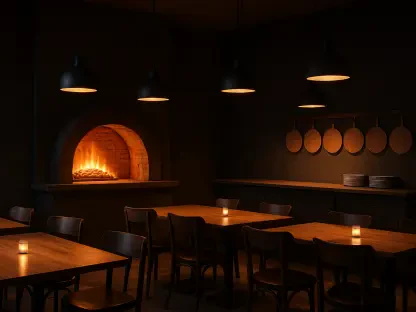

The humid afternoons of late July gradually give way to a flurry of organized chaos as the American family collective shifts its focus from poolside relaxation toward the meticulous coordination of classroom schedules and supply lists. This seasonal metamorphosis is more than just a change in calendar dates; it represents a fundamental recalibration of the national economy, specifically within the restaurant sector. Establishments that spent June and July catering to tourists and vacationers must now pivot to serve a population governed by the school bell. The stakes are incredibly high, as this period sets the tone for consumer loyalty throughout the remainder of the year, forcing brands to reinvent their value propositions for a time-strapped public.
This “gear shift” in August acts as a litmus test for industry adaptability. It is a time when the friction between declining leisure time and increasing financial pressure becomes most visible across various demographics. Restaurants that fail to recognize this shift risk losing their place in the daily rotation of busy households. Conversely, those that successfully integrate into the new academic rhythm by offering speed, value, and comfort secure a foothold in the consumer lifestyle that persists long after the first autumn leaves fall. Understanding the nuances of this transition reveals a culinary landscape that is as much about logistical relief as it is about flavor.
The Great August Pivot From Leisure to Routine
The transition from summer to fall is characterized by a dramatic change in the pace of daily life, moving from the open-ended spontaneity of vacation toward a structured, high-stakes academic routine. For the restaurant industry, this means the end of long, leisurely dinners and the beginning of a hunt for efficiency. Consumers no longer have the luxury of waiting forty-five minutes for a table on a Tuesday night. Instead, they seek out establishments that can provide a nutritious meal within the tight windows between work, school, and extracurricular activities. This seasonal “pivot” necessitates a change in how kitchens operate and how marketing teams communicate with their audience, emphasizing reliability over novelty.
As households swap beach towels for backpacks, their relationship with dining out undergoes a psychological shift. During the summer, dining is often viewed as an event or a reward, but in August, it frequently becomes a functional necessity. Restaurants are increasingly positioning themselves as an extension of the home kitchen—a reliable backup for those nights when the pantry is empty or the schedule is too packed for cooking. This shift toward a “utilitarian” view of dining does not mean quality is ignored; rather, it means that the convenience of the experience is weighted equally with the taste of the food. Successful brands are those that can deliver a “vacation-quality” meal with the speed and precision of an assembly line.
Navigating the Financial and Temporal Demands of the New School Year
Why the back-to-school season dictates dining trends so heavily is rooted in the dual pressures of shrinking budgets and dwindling time. American families are currently facing significant up-front costs for school supplies, technology, and apparel, which often leaves the discretionary dining budget under intense scrutiny. When every dollar spent on a notebook is a dollar taken away from a night out, restaurants must work harder to justify their cost. This environment encourages a competitive race toward value, but not just through low prices. It involves creating “relief valves” for parents who are physically and mentally exhausted by the demands of the new school year, making the cost of a meal feel like an investment in their own sanity.
The temporal demand is equally pressing. With the return of sports practices, music lessons, and tutoring sessions, the “dinner hour” has become a fragmented concept. Restaurants have responded by expanding their definitions of service, leaning into early-bird specials and late-afternoon incentives to capture diners who are eating between commitments. This period bridges the gap between the freedom of summer and the holiday rush, making it a critical proving ground for brand loyalty. If a restaurant can prove its worth during the most stressful month of the year, it is likely to remain a preferred choice when the pace eventually slows down during the winter holidays.
Key Pillars of the Late-Summer Dining Landscape
The late-summer dining scene is built upon several strategic pillars designed to address the specific needs of a transitioning public. One of the most prominent strategies involves value-driven family incentives, where national chains and local favorites alike utilize “Kids Eat Free” programs to drive weekday traffic. For example, brands like Golden Corral and Tender Greens have seen success by offering deeply discounted youth meals during the post-school run. These initiatives do more than just lower the bill; they simplify the decision-making process for parents who are looking for a friction-less way to feed their children before a long evening of homework and activities.
Innovation is also flourishing in the beverage sector, particularly through the rise of “dirty sodas” and handcrafted refreshments. Tapping into social media trends, establishments like Hat Creek Burger Company are introducing nostalgic yet modern soda combinations that appeal to younger demographics seeking a affordable treat. Meanwhile, the industry is balancing this youthful energy with a focus on functional wellness. Recognizing “National Wellness Month,” menus are being updated to include protein-fortified comfort foods and plant-forward options. Snooze Eatery’s partnership to offer protein pancakes illustrates how restaurants are catering to consumers who want to return to a healthy routine without sacrificing the social joy of a meal out.
The digital ecosystem plays a vital role in this landscape, as brands shift their focus toward mobile apps and delivery perks. By offering exclusive incentives like free delivery or bonus loyalty points for seasonal purchases, restaurants are building long-term digital relationships. This strategy is particularly effective for brands like Teriyaki Madness, which use digital platforms to offer speed and predictability to the modern diner. Furthermore, high-end establishments are not sitting out the season; many are repurposing luxury ingredients into accessible happy hour formats. Offering premium items like filet mignon in a sandwich format at a fixed price point allows luxury brands to remain relevant to a budget-weary population during National Sandwich Month.
The Strategy of Attainable Luxury and the Third Place Concept
Current industry research suggests that the concept of “value” in the back-to-school season is shifting away from simple price-cutting toward something known as “attainable luxury.” This involves offering premium pairings, such as high-end steak and wine specials, at a lower, fixed price point to attract diners who still desire an elevated experience but are mindful of their bank accounts. Steakhouses like Sullivan’s and Eddie Merlot’s have mastered this by creating specific promotional days that demystify the fine-dining experience. This approach ensures that the brand remains aspirational while being financially accessible, catering to the “reward” mentality that persists even during a busy work week.
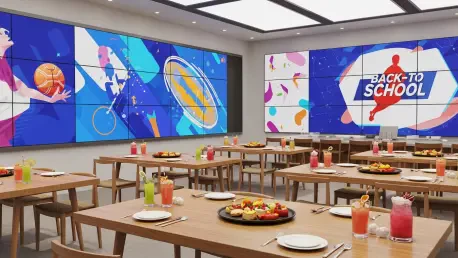
Beyond the food itself, restaurants are increasingly positioning themselves as the “third place”—a social hub that exists outside the confines of the home and the workplace. This trend is especially evident in the emergence of “Fan Zones” and sports-centric dining. As the school year begins, so does the anticipation for the football season, leading many restaurants to install wall-to-wall sports coverage and offer shareable platters. This environment attracts those organizing fantasy football drafts or neighborhood kick-off events, turning a simple meal into a community gathering. By fostering this sense of belonging, restaurants transition from being a mere service provider to becoming a vital part of the local social fabric.
Practical Ways to Leverage Seasonal Dining Offers
For the savvy consumer, the back-to-school season provides a unique opportunity to access high-quality dining at a fraction of the usual cost, provided they know where to look. One of the most effective strategies is to optimize the weekly calendar by seeking out promotions tied to off-peak days. Many establishments offer “Monday Salad” discounts or mid-week family meal deals specifically designed to fill dining rooms during the transition back to the work week. By planning outings around these specific dates, diners can enjoy their favorite venues while maintaining a strict budget, effectively stretching their discretionary income during an expensive time of year.
Prioritizing digital loyalty programs is another essential tactic for navigating the seasonal landscape. Many restaurant brands now reserve their most aggressive incentives—such as “buy-one-get-one” deals or complimentary appetizers—exclusively for their mobile app users. This not only provides immediate savings but also allows the consumer to skip the line through mobile ordering, addressing the temporal demands of a busy schedule. Furthermore, for those organizing larger gatherings like sports team dinners or school club meetings, leveraging large-format catering “party packs” can offer significant savings over individual orders, providing a cost-effective solution for community events.
Finally, monitoring thematic food holidays can lead to unexpected value. Aligning dining plans with observances like National Sandwich Month or National Filet Mignon Day allows consumers to access premium menu items at promotional price points. These specialized holidays are often used by restaurants to showcase their culinary range and attract new patrons who might otherwise be intimidated by the standard menu prices. By remaining observant of these calendar-based promotions, households can continue to enjoy the luxury of dining out even as the financial and time-based pressures of the academic year mount, ensuring that the transition into fall is as delicious as it is organized.
The culinary industry historically adapted to the August rush by prioritizing convenience and cost-effectiveness over the indulgence of the summer months. Dining establishments realized that consumers required more than just sustenance; they needed a sense of order and a relief from the overwhelming logistics of a new academic year. This era of dining was defined by the strategic use of digital platforms to bridge the gap between busy parents and the kitchen, ensuring that quality meals remained accessible despite shrinking free time. Ultimately, the season demonstrated that value was not merely a matter of low prices but rather the seamless integration of hospitality into a rigorous daily schedule. Future considerations suggested that restaurants which mastered this balance of speed, health, and affordability would become the permanent staples of the modern American lifestyle._