
The overarching theme of elevated locality is being realized through the synthesis of indigenous Australian flora and traditional European cooking methods across the city. As the crisp winter air settles over the harbor, Sydney’s gastronomic landscape is undergoing a remarkable transformation that prioritizes depth of flavor and seasonal authenticity. This evolution is not merely a surface-level change in menus but a profound shift in how the city perceives its own culinary identity. The current movement is characterized by an audacious willingness to experiment, where world-class chefs are stepping away from the predictable constraints of international fine dining to embrace the rugged, diverse wealth of Australian produce. By blending heritage techniques with local ingredients, the city is creating a unique culinary vocabulary that feels both globally relevant and distinctly rooted in the Southern Hemisphere. This period of growth is defined by a newfound sophistication, moving toward a dining culture that is as much about the story of the land as it is about the precision of the plate.
The geographic center of Sydney’s dining culture is also shifting, moving beyond the traditional confines of the Central Business District to breathe new life into historic neighborhoods and coastal enclaves. From the revitalized streets of Redfern and Woolloomooloo to the breezy wharves of Manly and the sands of Coogee, the city’s restaurant scene is becoming more decentralized and neighborhood-centric. This trend reflects a broader societal desire for dining experiences that feel personal, accessible, and deeply integrated into the local community. There is a palpable energy in these neighborhood hubs, where historic buildings are being repurposed into vibrant dining destinations that respect the past while looking toward the future. This synthesis of place and plate is the cornerstone of the winter season, offering residents and visitors alike a chance to explore the city through its flavors. As we navigate this period of creative expansion, the focus remains on quality, comfort, and the celebration of the extraordinary ingredients that define the Australian continent.
The European Renaissance and Neighborhood Reinventions
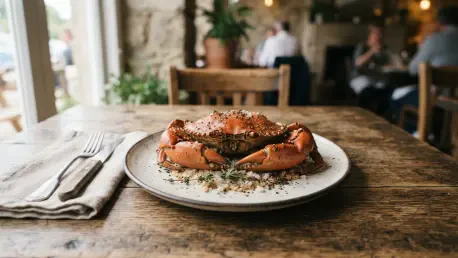
One of the most dominant trends in the current landscape is the revitalization of European bistro and trattoria cultures, which have been reimagined to suit the specific nuances of the Australian climate. This movement is exemplified by the opening of Baptiste in Redfern, a neighborhood that has rapidly transitioned into a high-end hospitality hub. Under the guidance of head chef Luke Papalia, the menu at Baptiste embraces a philosophy of freshness that balances classic French bistro sensibilities with the specific demands of the local palate. While the winter season often calls for heavy, comforting dishes, the approach here is one of refined indulgence. Diners can find meticulously prepared salt-baked Queensland mud crab alongside classic bistro staples like steak frites with Café de Paris butter. This focus on “elevated locality” ensures that even the most traditional European formats feel contemporary and relevant. The space itself acts as a bridge between high-end hotel hospitality and a welcoming neighborhood atmosphere, signaling a permanent change in Redfern’s social fabric.
The return of Chef Orazio D’Elia to Rushcutters Bay with Trattoria Da Orazio further reinforces this trend of European reinvention. By moving away from the limitations of a single Italian region, the restaurant serves as a comprehensive pan-Italian showcase that celebrates the diversity of the entire peninsula. The installation of a massive 1.5-meter charcoal grill allows for a more rustic, flame-kissed approach to cooking, which is perfectly suited for the cooler months. Dishes like veal ribeye al limone and green tortelli Milanese filled with rich osso buco ragù demonstrate a commitment to deep, complex flavors that resonate with the winter season. The architectural design of the space, featuring a walnut and brass bar and an expansive outdoor piazza, encourages the European tradition of the aperitivo hour, even in the heart of Sydney. This blend of traditional Italian warmth and modern Australian design creates a dining experience that feels both nostalgic and forward-thinking, making it a cornerstone of the neighborhood’s culinary identity.
In Darlinghurst, the launch of Vin-Cenzo’s represents a bold rejection of rigid authenticity in favor of produce-driven excellence. This establishment draws inspiration from a wide array of influences, including Italian-American heritage and Spanish techniques, to create a menu that is unapologetically flavor-first. The kitchen, led by a team of industry veterans, experiments with unconventional items such as pig fat cannoli and a variety of Italian cookies served in vintage tins. The pasta program is particularly robust, featuring dishes like pumpkin and pecorino quadrati or rigatoni served with a hearty tripe and sweetbread ragu. By prioritizing the quality of ingredients over a dogmatic adherence to tradition, Vin-Cenzo’s captures the spirit of the current Sydney scene—one that is confident enough to play with established norms to create something entirely new. This approach resonates with a dining public that values transparency and skill, ensuring that the neighborhood remains at the forefront of the city’s ongoing gastronomic evolution.
Global Fusion and the Silk Road Influence
Sydney’s appetite for fusion has matured significantly, moving beyond simple cross-cultural pairings into a sophisticated exploration of historical trade routes and diaspora influences. A prime example of this is Amé, located in the Oxford & Foley district, which focuses on the Nikkei tradition—a fusion of Japanese and Peruvian cuisines. Executive chef Erik Ortolani skillfully integrates the precision and minimalism of Japanese technique with the vibrant, bold spice profiles of Peru. The result is a menu that feels both exotic and harmonious, featuring dishes such as Peruvian tuna ceviche nigiri and achiote chicken arepas. The design of the venue complements this culinary synergy, using a sunset-inspired color palette and Japanese noren curtains to create an environment that feels rich with heritage yet thoroughly modern. This focus on the intersection of cultures highlights how Sydney’s dining scene is increasingly global in its outlook, drawing from a wide range of international traditions to create a unique local narrative.
The concept of the Silk Road serves as the foundational inspiration for Spezia, a flagship establishment within the downtown business district. Here, Michelin-starred chef Jae Bang and head chef Aaron Cassia view Italian cuisine through the lens of ancient trade routes, infusing traditional dishes with hints of global spices. This cross-cultural dialogue is evident in creations like the ravioli carbonara, which is filled with sharp pecorino and topped with a house-made dukkah oil emulsion. Such innovative touches add layers of complexity to familiar favorites, encouraging diners to reconsider what constitutes “traditional” flavors in a globalized world. The extensive wine list, featuring over 500 bottles, is meticulously curated to complement these intricate flavor profiles, ensuring that every meal is a comprehensive sensory experience. Spezia’s success lies in its ability to balance the comfort of Italian staples with the excitement of unexpected spices, reflecting a broader trend of culinary curiosity that is currently defining the city’s winter season.
Bentley Restaurant Group’s latest venture, Ashe, represents a similar pivot toward Southeast Asian flavors, but with a distinctly Australian twist. By utilizing native ingredients within the frameworks of Vietnamese, Thai, and Malaysian traditions, the kitchen creates a dialogue between indigenous flora and classic Asian spices. Chef Khanh Nguyen employs a clay oven and wood-fired grill to provide a smoky depth to dishes such as grilled pipis with lemongrass satay and blood lime. This integration of native elements like karkalla and muntries into traditional Southeast Asian recipes is a hallmark of the “Native-Asian” trend currently gaining momentum across the city. Ashe exemplifies the city’s commitment to exploring its own natural resources while honoring the cultural influences that have shaped its diverse population. This sophisticated blending of heritage and locality provides a blueprint for the future of fusion in Australia, where the focus is on creating a cohesive and meaningful culinary story.
Waterfront Seafood and the Coastal Dining Revival
The relationship between Sydney and its harbor is being reaffirmed this winter through a series of high-profile openings that celebrate the wealth of the surrounding oceans. Stanley, a highly acclaimed Cantonese establishment from Brisbane, has made a significant impact on Manly Wharf. Under the direction of chef Louis Tikaram, this expansive 250-seat venue focuses on vibrant seafood and traditional Cantonese grandeur. The inclusion of large seafood tanks and tableside Peking duck service adds an element of theater to the dining experience, making it a destination for those seeking both quality and spectacle. The menu features luxury items like tropical spiny lobster lo mein and premium wagyu with black pepper sauce, catering to an audience that appreciates the finer details of coastal dining. By bringing this level of sophistication to the Northern Beaches, Stanley is helping to redefine the area as a major player in the city’s broader culinary landscape, blending tradition with a breezy waterfront atmosphere.
Legendary chef Rick Stein has also made his mark on the coast, bringing his seafood-centric philosophy to Coogee Beach. This venue is a direct extension of his established ethos, which emphasizes a deep respect for both the ingredients and the sea. The menu is a celebration of Australian marine species, including snapper, blue-eye, and flathead, prepared with a simplicity that allows the natural flavors to shine. From XO pipis to his famous Singapore chili crab, the offerings reflect a lifetime of global culinary exploration centered on the ocean. A particularly nostalgic touch is the inclusion of “Padstow-style” fish and chips, fried in beef drippings to achieve a specific level of crispness and flavor. Stein’s presence in Coogee reinforces the idea that Sydney’s coastal dining is moving toward a model of quality and authenticity, where the focus remains firmly on the integrity of the seafood and the beauty of the natural surroundings.
In the bustling Barangaroo district, Watermans offers a unique perspective on waterfront dining by incorporating Levantine-inspired flavors. Executive chef Darryl Martin uses a custom wood-fired grill to create dishes rich in spice and smoke, such as pomegranate-glazed lamb shoulder and sweet and sour Abrolhos scallops. The restaurant’s design, featuring pergolas draped in greenery, emphasizes the outdoor lifestyle that is so intrinsic to Sydney, even during the cooler months. This blend of Middle Eastern influence and a harborside location creates a unique dining dynamic that is both vibrant and relaxing. Watermans demonstrates how the city’s waterfront can be a canvas for a wide variety of global cuisines, provided they are executed with a focus on local produce and seasonal relevance. As more venues embrace this coastal revival, the connection between the city’s geography and its gastronomy continues to strengthen, offering a diverse array of experiences for every type of diner.
Reimagining the Local Neighborhood Dining Experience
A significant portion of Sydney’s most exciting winter developments can be found in the reimagining of established neighborhood favorites. In Surry Hills, Arthur has undergone a strategic shift from a strict set-menu format to a more flexible à la carte model. This change, led by chef-owner Tristan Rosier, aims to make high-end dining more accessible and spontaneous without sacrificing the commitment to 100% Australian ingredients. The introduction of “Australiano Hour,” featuring affordable snacks like sea urchin hash browns and shrimp, encourages locals to drop in for a quick bite rather than committing to a lengthy multi-course meal. This move toward flexibility reflects a broader industry trend where restaurateurs are responding to a post-pandemic desire for more informal yet high-quality interactions. By breaking down the barriers of formal dining, Arthur has managed to maintain its reputation for excellence while becoming a more integrated and vital part of the local community.
The Fitzroy Dining Room in Woolloomooloo has also embraced a process of revitalization, focusing on nostalgia and seasonal familiarity to attract a new generation of diners. Head chef Ben Richards has returned to the venue to oversee a menu that celebrates comforting, refined classics like country pork terrine with pear mostarda and delicate ricotta gnudi. The physical transformation of the space—shifting from a heavy burgundy palette to a bright, mint-green aesthetic—mirrors a wider shift toward creating more welcoming and cheerful environments. This approach acknowledges that the atmosphere is just as important as the food in defining a successful neighborhood spot. By focusing on dishes that evoke a sense of home and comfort, the Fitzroy Dining Room has successfully carved out a niche as a destination for those seeking a high-quality meal in a relaxed, familiar setting. This focus on seasonal relevance and aesthetic warmth is a recurring theme in the city’s current winter evolution.
In the vibrant neighborhood of Newtown, South End has quickly established itself as the quintessential neighborhood local by offering a seasonal European menu that shifts with the weather. The kitchen’s philosophy of moving from “potato Europe” in the winter to “tomato Europe” in the summer ensures that the menu always feels grounded in the current moment. Dishes like buttermilk-fried rabbit with green garlic aioli and potato rösti topped with Tête de Moine cheese showcase a commitment to robust, flavor-forward cooking that avoids the pretension often associated with fine dining. This focus on “the local spot everyone wants” highlights a growing demand for venues that offer consistently excellent food in a casual, unpretentious environment. South End represents the future of neighborhood dining in Sydney—a place where skill, seasonality, and community connection come together to create a dining experience that feels both essential and accessible, proving that great food does not always require a white tablecloth.
Specialized Concepts and Heritage Building Conversions
The current winter season is defined by the rise of highly specialized concepts and the creative repurposing of Sydney’s architectural heritage. Aambra in Rose Bay provides a stunning example of this trend, where a former Uniting Church has been transformed into a sprawling 140-seat Levantine restaurant. The preservation of original stained-glass windows and marble floors provides a dramatic and historic backdrop for a menu that spans the diverse flavors of Iraq, Lebanon, Jordan, and Egypt. Executive Chef Gianluca Lonati’s focus on dishes like samke harra and dry-aged carob duck crown demonstrates how global cuisines can find a unique home within Australia’s historic structures. This fusion of Middle Eastern gastronomy and colonial-era architecture creates a sense of place that is entirely unique to Sydney. It also shows a deep respect for the city’s physical history, using these historic buildings to host new cultural conversations through the medium of food.
In the heart of the downtown district, The James offers a unique take on heritage and tradition by interpreting classic English dishes through the lens of sophisticated French technique. Located within The Langham, this venue serves as a ruffled-curtain tribute to British hospitality, complete with tableside Beef Wellington service and Welsh rarebit. This specialized focus on a specific era and style of dining provides a sense of kitschy charm and nostalgic luxury that is perfectly suited for the winter months. Meanwhile, in Potts Point, Young’s Palace offers a celebratory look at the old-school Chinatown experience, blending approachable favorites like shrimp toast with high-end additions like truffles and caviar. These specialized venues cater to a niche but growing audience that seeks out specific cultural or historical narratives in their dining experiences. By focusing on a clear and well-defined concept, these restaurants are able to offer something distinct in a crowded market, further enriching the city’s overall culinary diversity.
The relocation of Sushi Oe to the Sydney Fish Market marks another major milestone for specialized dining in the city. By moving Toshihiko Oe’s renowned omakase experience from a tiny six-seat counter to a slightly larger eight-seat space, the venue has increased its accessibility while maintaining its status as one of the most coveted tickets in the country. The decision to place a high-end, 30-course masterpiece in the middle of a functional produce market reflects a broader trend of integrating luxury dining into authentic, product-driven environments. This move highlights the city’s growing appreciation for specialized skills and the importance of being close to the source of ingredients. Whether it is a repurposed church or a bustling fish market, these specialized concepts are finding homes in unconventional spaces, proving that the quality of the experience and the integrity of the cooking are the primary drivers of success in the modern Sydney scene.
Future Directions for Sydney’s Gastronomic Identity
As the city concludes this winter season, several key themes have emerged that will likely define the trajectory of the Sydney culinary scene from 2026 to 2028 and beyond. The most significant of these is the definitive shift toward flexible dining models that cater to a wide range of needs and price points. The “all-day osteria” and the “flexible bistro” have become the new standard, allowing diners to navigate their own experiences based on their specific desires for that day. This spontaneity is a direct response to a changing social landscape where rigid structures are increasingly being replaced by fluid, personal choices. Furthermore, the integration of native Australian ingredients has moved from a niche experiment to a standard culinary tool used across all types of cuisine. This normalization of indigenous flora marks a maturing of the national palate and a deeper connection to the land that provides our food, ensuring that “Australian” cuisine continues to evolve in a way that is respectful and inclusive.
Another enduring trend is the strategic leverage of architectural history to create unique and memorable dining atmospheres. By utilizing sandstone bakeries, 19th-century churches, and historic hotels, restaurateurs are giving their venues a sense of permanence and character that new constructions often lack. This commitment to repurposing historic sites is likely to continue as more developers and chefs realize the value of the city’s architectural heritage. Additionally, the hybridization of Japanese techniques with other global cuisines shows no signs of slowing down, reflecting a deep and lasting integration of Japanese culinary philosophy into the broader food scene. This cross-pollination of ideas ensures that the city remains at the cutting edge of global culinary trends while still maintaining its own unique voice. The balance between high-end luxury and neighborhood accessibility has created a state of “sophisticated casualness” that is now the hallmark of Sydney dining, providing a sustainable and vibrant future for the industry.
Throughout this period of growth, the Sydney restaurant community demonstrated a remarkable ability to adapt and innovate in the face of shifting consumer preferences and economic conditions. The move away from rigid tasting menus toward more inclusive and spontaneous models was a defining characteristic of the season, reflecting a city that valued both high-quality craftsmanship and genuine hospitality. By grounding their creative efforts in Australia’s unique produce and history, chefs and restaurateurs successfully built a dining culture that felt authentic and sustainable. This winter season was not just about the launch of new venues, but about the consolidation of a culinary identity that is confident, global, and deeply rooted in its local environment. The insights gained during this time provided a clear roadmap for future developments, ensuring that the city remained a premier destination for those seeking a dining experience that was both innovative and meaningful. This evolution solidified Sydney’s reputation as a world-class gastronomic hub, ready to meet the challenges and opportunities of the coming years with creativity and resilience.