
As a multifaceted hospitality site, the venue uses saturated lighting and chrome accents to establish a futuristic atmosphere suited for its tech-house music program. Located on Berwick Street in the heart of Soho, NQ JPN marks a significant evolution for the founders of the NQ64 arcade chain. Rather than simply expanding their existing brand, they have repurposed their original site to host a concept that bridges the gap between a high-energy nightclub and a specialized gaming lounge. This shift reflects a broader transformation within the London entertainment scene where static bar environments are being replaced by dynamic, sensory-rich experiences. By integrating street art aesthetics with a meticulously curated electronic soundtrack, the space offers a neon-soaked retreat for those seeking something beyond the standard pub experience. The strategic move from their previous location to a larger venue nearby allowed this specific site to become a testing ground for a more niche, culturally focused nightlife identity.
Sensory Fusion: Gaming Culture and Modern Mixology
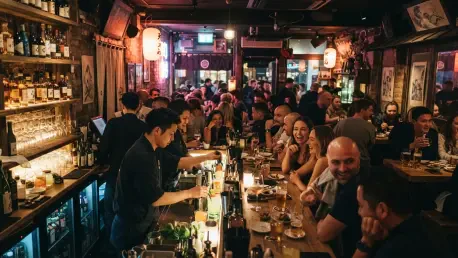
The interior design of the venue adheres to a strict visual palette of black, red, and chrome, creating a sharp contrast that enhances the impact of its saturated lighting displays. This aesthetic choice serves as a backdrop for a sophisticated beverage program that emphasizes traditional Japanese flavors through a modern lens. The menu features twelve signature cocktails, including innovative concoctions like a Melon and Cucumber Daiquiri and a Frozen Dragon Fruit Colada, which cater to a palate looking for both refreshment and complexity. For those preferring classic options, the bar serves premium Japanese whiskies and highballs alongside an unconventional selection of alcoholic bubble teas. The atmosphere is further intensified by a rotating lineup of DJs who perform every Friday and Saturday night, keeping the energy high until the early morning hours. This combination of curated sound and flavor ensures that the establishment functions as more than just a place to drink; it operates as a full sensory immersion.
Beyond the central bar area lies a dedicated arcade that functions as a portal into the high-energy world of Japanese rhythm and action gaming. This section houses a rare collection of imported machines, including niche titles like Dancerush, jubeat, and maimai, which are often difficult to find outside of major Asian metropolitan centers. The design here draws heavy inspiration from late-1990s and early-2000s manga and anime, creating a nostalgic yet forward-looking environment for gaming enthusiasts. A central feature of this zone is the NQ Mart, a concept modeled after the ubiquitous convenience stores found across Japan. Within this specialized area, guests are encouraged to experiment with their beverages, choosing from over two thousand possible combinations of spirits, flavored syrups, and experimental foams. This interactive element transforms the act of ordering a drink into a playful, customizable experience that mirrors the agency found within the games themselves. Such a deep integration of technology and hospitality reflects a new standard in specialized nightlife.
Strategic Evolution: Redefining the Soho District Standards
The emergence of this venue is indicative of a wider trend reshaping Soho into a primary hub for Japanese-inspired hospitality and entertainment. Local developments like the JENKI matcha bar and the nearby Miokuru have already paved the way for a more specialized consumer demand that prioritizes cultural authenticity and niche expertise over generic offerings. By focusing on a “futuristic arcade bar” model, the management team has successfully identified a gap in the market for high-end gaming environments that do not sacrifice the quality of their nightlife components. This approach contrasts sharply with traditional London clubs by offering a variety of engagement levels, from competitive play on rare machines to relaxed socializing in a lounge setting. As Soho continues to evolve from 2026 to 2028, the success of such hybrid models will likely dictate the direction of future investments in the district. The focus on specific subcultures, rather than broad appeal, allows the venue to maintain a loyal following while attracting curious tourists and local residents.
Industry experts noted how the launch of this specific hospitality concept provided a blueprint for integrating international street culture with local urban entertainment. The project moved away from being a mere replica of a foreign site and instead focused on a stylized interpretation that resonated with modern Londoners. Moving forward, developers who seek to replicate this success should consider how specialized technology and authentic cultural markers can create a unique brand identity that survives changing market tastes. By prioritizing high-quality hardware and a distinct visual language, the venue established a durable presence in a competitive market. Operators were encouraged to invest in rare equipment and niche music programming to differentiate their offerings from mainstream competitors. These steps ensured that the establishment remained relevant as consumer expectations for immersive experiences grew. The project ultimately demonstrated that a commitment to specific thematic depth, combined with a robust operational framework, could redefine the expectations for what a night out in a modern global city should encompass.