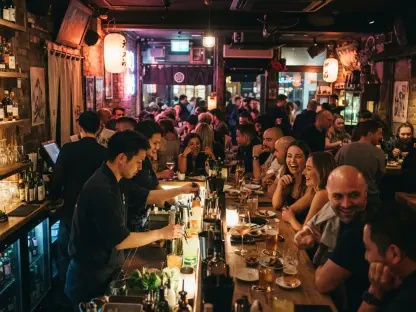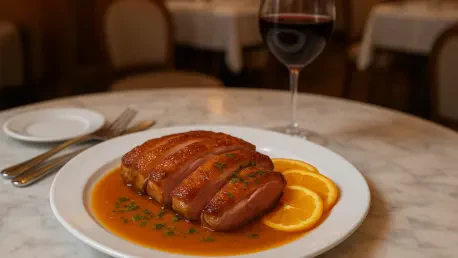

A roaming martini trolley and traditional French duck à l’orange highlight a beverage and food program focused on the concept of approachable luxury in Mayfair. The rebranding of the primary dining room at The Twenty Two into Café 22 signals a pivotal moment for the Grosvenor Square area, where the rigid lines of exclusivity are being blurred in favor of a more inclusive, high-energy environment. This transition represents a sophisticated refinement of the traditional French bistro model, adapting it for a contemporary audience that seeks both culinary excellence and social comfort. By opening its doors wider to the public through a new street-level entrance, the establishment challenges the conventional private club hierarchy. This strategic shift is not merely a change in name but a calculated effort to foster a sense of belonging for local residents and international visitors alike, ensuring that the venue remains a vibrant cornerstone of the neighborhood’s social fabric throughout the current year and beyond.
Redefining Hospitality through Strategic Leadership
The Collaborative Vision: Glipa and Christie
The success of this ambitious transformation rests on the shoulders of seasoned hospitality veterans who understand the nuances of the London dining scene. Guillaume Glipa, whose previous tenure at iconic establishments like Chiltern Firehouse and Annabel’s has solidified his status as a master of atmospheric dining, brings a level of prestige that few can match. His leadership is complemented by the technical prowess of Alan Christie, the brand’s global culinary director. Christie’s background as a protégé of the legendary chef Anthony Demetre is evident in the precision of the kitchen’s output. Together, they have curated an environment where the service is professional yet noticeably less formal than its predecessor. This partnership ensures that while the setting remains undeniably upscale, the experience feels inherently personal and grounded. The focus remains on delivering high-quality hospitality that avoids the pitfalls of pretension, making it a premier destination for the city’s most discerning guests.
Culinary Execution: From Bistro Classics to Rare Delicacies
The menu at Café 22 is a celebration of casual luxury, where traditional culinary techniques are applied to exceptionally high-quality ingredients. Guests can choose from a range of dishes that accommodate both a quick business lunch and an indulgent evening celebration. For instance, the menu features accessible items like lobster paccheri and a classic cacio e pepe, sitting alongside more extravagant offerings such as N25 Oscietra caviar. Signature main courses, including the beef short rib Bourguignon and shared plates like the wagyu bone-in ribeye, emphasize a commitment to hearty, expertly prepared French-inspired fare. This balanced approach to pricing and variety is a strategic move to capture a wider share of the local market. By offering everything from simple salads to premium steaks, the kitchen caters to the diverse needs of Mayfair’s sophisticated palate. This versatility is essential for maintaining consistent footfall in an area where diners increasingly value flexibility alongside high gastronomic standards.
Navigating the Competitive Landscape of Mayfair
Architectural Identity and Public Integration
The physical environment of Café 22 plays a crucial role in its identity as a neighborhood destination. The 92-seat dining room has been thoughtfully redesigned to blend deep, evocative colors with neutral tones, creating a space that feels both intimate and expansive. Central to this aesthetic are the striking works by Moroccan artist Mahi Binebine, which add a layer of cultural depth and visual interest to the room. Perhaps the most significant change is the introduction of a dedicated street-level entrance on North Audley Street. This architectural modification physically removes the barrier between the hotel’s internal club life and the bustling street outside, inviting passersby to step in without the psychological hurdle of entering a private club. This design philosophy aligns with the broader trend of making luxury spaces more integrated into the urban landscape. It transforms the restaurant into an accessible public asset, significantly enhancing its appeal to those who live and work in the immediate vicinity.
Strategic Benchmarks for Future Urban Dining
The beverage program further defined the bistro’s commitment to excellence, bridging the gap between historical grandeur and modern accessibility. While the wine cellar boasted rare treasures like a bottle of Domaine de la Romanée-Conti, the introduction of high-quality wines by the glass starting at more modest prices ensured a broader reach. The roaming martini trolley became a hallmark of the service, providing a theatrical element that enhanced the overall guest experience. As competition intensified along the North Audley Street corridor, the venue’s ability to offer casual luxury became its primary differentiator. Industry operators observed that the integration of high-level culinary pedigree with a relaxed atmosphere provided a sustainable model for growth. To thrive in this evolving landscape, establishments prioritized authentic engagement over traditional exclusivity. By focusing on quality execution and inclusive design, the bistro successfully established a new benchmark for neighborhood dining that balanced prestige with genuine hospitality.