
In the fast-paced world of hospitality, few things are as challenging yet rewarding as scaling a family-owned brand while maintaining its cultural soul. Today, we sit down with Katarina Railko, a hospitality expert whose deep roots in travel, tourism, and event coordination provide a unique lens on the restaurant industry’s latest movements. With the recent expansion of a beloved island-inspired brand into its fourth Phoenix location, Railko offers her insights into how regional flavors can successfully conquer new metropolitan territories through a blend of tradition and modern convenience.
The following discussion explores the strategic site selection of high-traffic corridors, the operational demands of maintaining scratch-made culinary standards, and the importance of community-focused celebrations in building long-term brand loyalty.
Expanding into a fourth location in Phoenix often involves balancing brand consistency with local demand. How do you select high-traffic corridors like East Indian School Road for new sites, and what logistical steps are required to integrate a drive-thru into a reconstructed fast-casual layout?
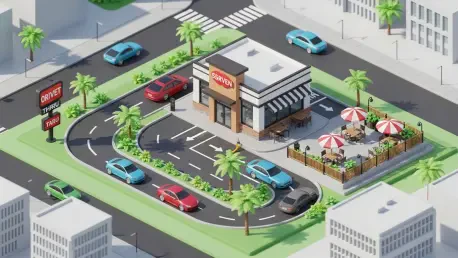
Selecting a site like 1003 E. Indian School Rd. is a calculated move that focuses on the pulse of the city’s daily movement. We look for central corridors that bridge residential neighborhoods with bustling business districts to capture both the lunch-break rush and the dinner-time commute. The logistical shift to a drive-thru model during the reconstruction phase required a complete rethink of the kitchen line to ensure the scent of grilled meats reaches the window as quickly as the plate is packed. By prioritizing these high-accessibility zones, the brand ensures it becomes a convenient daily habit for residents rather than just a weekend destination.
Signature dishes such as Chicken Katsu and Kalbi Ribs rely on scratch-made sauces and fresh, grilled-to-order preparation. How do you maintain these labor-intensive culinary standards during high-volume periods like a grand opening luau, and what training protocols ensure the “Aloha” spirit remains consistent across different state markets?
Maintaining culinary standards like scratch-made sauces and hand-breaded Chicken Katsu requires a rigorous back-of-house discipline that starts months before the first customer walks in. During a high-pressure grand opening luau, where the rhythm of the live Hawaiian dancers matches the frantic pace of the kitchen, teams rely on established prep cycles to keep the Kalbi Ribs hitting the grill fresh to order. Training the Arizona staff involves more than just teaching recipes; it is about imparting a culture of hospitality that feels as warm as a Pacific breeze. For over 20 years, this commitment to preparing ingredients from scratch daily has been the brand’s north star, ensuring that the flavor remains identical whether you are in California or the heart of Phoenix.
The transition from a traditional sit-down experience to a model featuring drive-thru convenience introduces new operational trade-offs. What impact does this accessibility have on your kitchen workflow, and how do you manage the balance between speed of service and the quality of freshly prepared Hawaiian plate lunches?
Introducing a drive-thru to a brand known for its grilled-to-order plate lunches creates a fascinating operational challenge in balancing speed with the integrity of the food. We manage this by optimizing the kitchen workflow so that high-volume favorites are timed perfectly with the vehicle’s arrival at the window, avoiding the “heat lamp” quality of traditional fast food. The goal is to provide that “island time” feeling of a relaxed, high-quality meal without the long wait, ensuring the convenience of the drive-thru doesn’t compromise the temperature or texture of the Hawaiian BBQ Chicken. It is a delicate dance of logistics where we prioritize the freshness of the ingredients over simple speed-of-service metrics to keep the guest experience premium.
Grand opening events often feature live cultural performances and aggressive promotions like buy-one-get-one-free offers. What are the long-term benefits of hosting these community-focused celebrations, and how do you track if these initial guests convert into loyal customers within a competitive metropolitan food scene?
Grand opening events featuring ribbon cuttings and BOGO offers are essential for creating an immediate, visceral connection with the local Phoenix community. By offering an all-day Buy One, Get One Free deal from 11 am to 9:30 pm, the brand lowers the barrier to entry and invites thousands of people to experience the generous portions for the first time. Success is tracked by monitoring repeat foot traffic in the weeks following the luau, looking for guests who were initially drawn in by the dancers but return specifically for the flavors. These cultural celebrations turn a simple meal into a memorable event, fostering a sense of community loyalty that a standard digital marketing campaign simply cannot replicate.
Operating as a family-owned brand for over two decades requires a specific approach to scaling without losing core values. What are the practical challenges of expanding a regional footprint in Arizona, and how do you ensure that the quality of ingredients stays high while managing a growing supply chain?
Scaling a family-owned brand since 2002 requires an unwavering focus on the supply chain to ensure that “fresh” never becomes a corporate buzzword. One of the practical challenges in Arizona is maintaining the integrity of the ingredients across a growing footprint of four locations while keeping prices accessible for the plate lunch model. We overcome this by partnering with vendors who understand the “grilled fresh to order” philosophy and by maintaining strict quality controls that have been refined over two decades. It is about growing the business without outgrowing the values that made the first location a success, ensuring every plate feels like it was prepared in a family kitchen.
What is your forecast for the Hawaiian BBQ market in the Southwest?
I expect to see a significant surge in the Hawaiian BBQ segment as consumers in the Southwest increasingly crave “fast-casual plus” experiences that offer both comfort and exotic flair. With the success of this newest Phoenix location, it is clear that the demand for authentic, island-inspired flavors is outstripping traditional fast food, leading to more drive-thru integrations in central urban centers. As the regional footprint continues to grow, the “Aloha” spirit will become a staple of the Arizona dining landscape, driven by a desire for hearty, high-quality plate lunches that feel like a brief vacation in the middle of a busy workday.