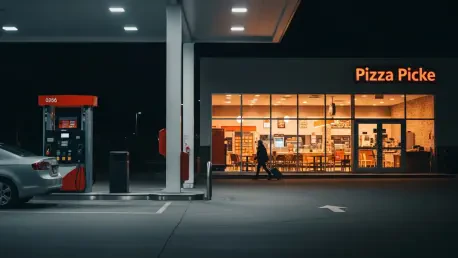

Navigating the rising costs of daily travel often feels like a constant battle against the fuel pump, leading many consumers to reconsider even the simplest errands. To address this financial friction, Papa Johns has introduced a tactical promotional campaign that aims to reimburse customers for the effort of picking up their own meals. This initiative focuses on converting a standard carryout trip into a rewarding experience by offering tangible financial incentives through its loyalty program.
The objective of this exploration is to break down the mechanics of the new campaign and understand how it benefits the average pizza lover. Readers can expect to learn about the specific requirements for participation, the value of the rewards offered, and the broader strategic intent behind this move. By examining these details, one can better appreciate how major brands are adapting to modern economic pressures to maintain customer satisfaction.
Key Questions: Understanding the Pizza Miles Program
What Exactly Is the Pizza Miles Promotion?
Economic shifts frequently force consumers to tighten their belts, making even small delivery fees or gas expenses feel like a significant burden. To combat this, Papa Johns developed a short-term incentive that effectively pays customers to drive to the store themselves. By framing the reward as a way to offset travel costs, the brand acknowledges the external pressures its audience faces while promoting its digital ordering platforms.
The program specifically targets Papa Rewards members during a select weekend window in early April. Participants who engage with the brand during this period can earn store credit that functions like a digital currency. This strategic move helps the company streamline its operations by encouraging carryout orders, which reduces the reliance on delivery infrastructure during peak hours.
How Can Customers Qualify for the Reward?
Earning rewards in a modern loyalty landscape often requires navigating complex rules, but this specific campaign keeps the process relatively straightforward. Customers must first ensure they are enrolled in the rewards program and then opt into the promotion through the official website or mobile app. To trigger the incentive, a carryout order must reach a minimum threshold of ten dollars, ensuring that even a basic meal qualifies for the benefit.
Once the qualifying order is completed, the system automatically issues four dollars in proprietary store credit known as Papa Dough. This credit reflects a direct investment in the customer’s next visit, though it comes with a two-week expiration date to encourage a quick return. By requiring the use of digital tools, the company also strengthens its connection with tech-savvy users who prefer the convenience of mobile ordering.
Why Is Papa Johns Focusing on Carryout Incentives?
Traditional delivery models are currently facing challenges due to rising labor costs and logistics, prompting brands to find creative ways to bring foot traffic into their physical locations. Lyndsie Adams, a high-ranking marketing executive at the company, noted that the primary goal is to remove barriers that might prevent a customer from choosing their brand. When gas prices or delivery fees become a deterrent, offering a “reimbursement” serves as a powerful psychological motivator.
Moreover, this approach aligns with the company’s long-standing commitment to quality and fresh ingredients. By incentivizing carryout, the brand ensures that customers receive their pizza as quickly as possible, maintaining the integrity of the fresh dough and premium toppings. This campaign is a clear example of how digital engagement can be used to foster long-term brand affinity in a competitive market.
Summary: A Tactical Shift in Customer Loyalty
The initiative successfully demonstrated how a brand can pivot its strategy to address real-world economic concerns without sacrificing its core values. By offering a direct financial incentive for carryout orders, the company managed to boost digital engagement while providing immediate value to its most loyal patrons. The brief duration of the promotion created a sense of urgency that drove significant traffic to their mobile applications.
The campaign also highlighted the growing importance of proprietary digital currencies in the fast-food industry. These credits not only encourage repeat business but also give the brand valuable data on consumer behavior and preferences. For those interested in maximizing their savings, staying active within loyalty apps remains the most effective way to capitalize on these fleeting but impactful opportunities.
Final Thoughts: The Future of Consumer Incentives
The success of the Pizza Miles program suggested that the relationship between brands and consumers is becoming increasingly transactional yet empathetic. It was clear that shoppers responded well to initiatives that recognized their daily struggles, such as the cost of fuel. This shift indicated that future loyalty programs might focus more on practical utility rather than just simple points accumulation.
As digital tools continue to evolve, one should expect to see more personalized rewards that adapt to real-time economic conditions. Consumers who remain flexible and willing to engage with brand platforms will likely find themselves better equipped to navigate the rising costs of living. Moving forward, the trend of using technology to bridge the gap between physical effort and financial reward will likely become a standard practice across the industry.