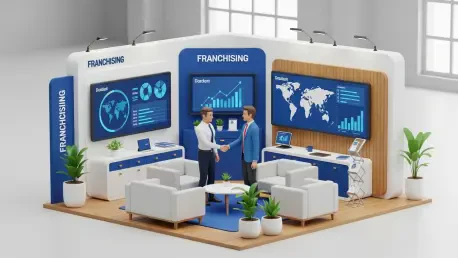

The rapid evolution of the North American bakery café sector has reached a fever pitch, driven by a consumer base that increasingly demands a fusion of artisanal quality and modern convenience. Paris Baguette is poised to make a significant impact at the Multi-Unit Franchising Conference (MUFC) following a period of unprecedented domestic expansion. As a global leader in the bakery café sector, the brand is leveraging this premier industry event to showcase its robust growth trajectory and its unique value proposition to the nation’s most successful franchise developers. This analysis explores how the company is navigating its rapid scaling, the strategic importance of its “franchise-first” philosophy, and what its presence at MUFC signals for the future of the fast-casual industry.
By examining recent milestones and a commitment to operational excellence, one gains insight into how a global powerhouse maintains a localized, neighborhood feel while operating on a massive scale. The ability to bridge the gap between high-volume efficiency and craft-focused production has become the gold standard for success in the current market. This movement is not just about bread and pastries; it is about redefining the hospitality experience for a new generation of multi-unit investors seeking stability and innovation.
Building Momentum: The Journey to the Present
The current landscape for Paris Baguette has been paved with record-breaking achievements that have redefined its standing in the United States. Within the last year, the brand demonstrated remarkable vitality by opening 77 new cafés and awarding nearly 300 additional locations, effectively pushing its domestic footprint past the 290-unit mark. This surge is not merely a numbers game; it represents a fundamental shift in the American bakery landscape, where artisanal quality meets scalable business systems. The momentum generated by these openings has created a ripple effect, attracting high-caliber partners who recognize the brand’s potential for long-term market dominance.
Historically, the brand has relied on its global infrastructure—boasting over 4,000 units worldwide—to provide a backbone for localized success. Understanding this context is vital, as it illustrates how the organization has transitioned from an international curiosity to a dominant domestic player. This transition has set the stage for a high-profile appearance at one of the industry’s most influential gatherings, where the brand will demonstrate that its growth is supported by a sophisticated logistics network and a deep understanding of local consumer behavior.
Strategic Pillars of Expansion and Innovation
Cultivating a Franchise-First Culture for Sustainable Scaling
A critical driver behind the recent success is an unwavering commitment to a “franchise-first” culture. Leadership has consistently emphasized that rapid growth is only sustainable if the relationship between the franchisor and the franchisee remains collaborative and supportive. This approach involves rigorous operational standards and a robust support system designed to ensure that each new unit can replicate the signature guest experience. By prioritizing the needs of multi-unit owners, the company mitigates common risks associated with over-expansion, such as brand dilution or operational friction.
This focus on alignment ensures that as the network grows, the quality of the product and the efficiency of the business model remain intact. The strategy moves beyond simple oversight; it fosters an environment where franchisees feel empowered to contribute to the brand’s evolution. In a market where many concepts struggle to maintain consistency across state lines, this model serves as a defensive moat, protecting the brand’s reputation while accelerating its geographic reach into untapped territories.
Maximizing Profitability Through Collaborative Learning
At the heart of the MUFC experience is the exchange of intellectual capital, and the brand utilizes this platform to address the evolving economic realities of the franchise world. Leadership and owners engage in deep-dive workshops focusing on financing for growth and strategies for maximizing profitability. In an era of fluctuating supply costs and labor challenges, these discussions are essential for maintaining the health of the franchise system. By exploring sophisticated financial models and operational efficiencies, the brand empowers its partners to navigate the complexities of multi-unit ownership.
This collaborative environment fosters a sense of shared destiny, where the success of the individual owner is seen as the primary engine for the brand’s overall health. Furthermore, these sessions provide a feedback loop that allows the corporate team to refine its strategies based on real-world data from the field. This data-driven approach to profitability ensures that the business model remains lean and adaptive, even as economic pressures shift the cost of goods and real estate availability in major metropolitan hubs.
Balancing Global Sophistication with Neighborhood Charm
One of the most complex challenges in franchising is maintaining a “neighborhood feel” while benefiting from a global supply chain and brand recognition. Paris Baguette addresses this by integrating elevated café designs that feel localized and welcoming, rather than sterile or mass-produced. At the conference, the brand showcases these design innovations alongside its artisanal product offerings to demonstrate how it bridges the gap between a massive global reach and a personal service model. This strategy targets experienced entrepreneurs who seek the stability of a powerhouse brand but value the ability to create joy within their local communities.
This balance is achieved through a meticulous selection of materials, lighting, and layout that encourages guests to linger, a stark contrast to the “grab-and-go” mentality that dominates much of the fast-casual sector. By focusing on the café as a third place—a destination between home and work—the brand secures a higher level of guest loyalty. This emotional connection to the space translates into more frequent visits and a stronger brand identity, which is difficult for competitors to replicate through digital convenience alone.
The Future of the Bakery Café Landscape
As the industry moves toward the latter half of the decade, the brand is positioning itself at the forefront of several emerging trends. The “elevated” guest experience—which combines digital convenience with premium, sit-down environments—is becoming a standard expectation for consumers. Furthermore, technological integration in kitchen operations and inventory management is expected to play an even larger role in protecting margins. Predictions suggest that Paris Baguette will continue to lead by adopting disruptive innovations that streamline the artisanal baking process without sacrificing the quality of the end product.
As regulatory environments and economic shifts continue to challenge the food service industry, the focus on long-term stability and system-wide alignment will likely serve as a blueprint for other global franchises. The integration of predictive AI for inventory and labor scheduling is already becoming a talking point, suggesting that the next phase of growth will be as much about tech-enablement as it is about culinary excellence. This evolution will ensure the brand remains competitive in a market that is increasingly crowded with niche artisanal players.
Actionable Insights for Multi-Unit Investors
For entrepreneurs and investors observing this trajectory, several key takeaways emerge. First, the importance of selecting a franchise partner with a proven global infrastructure cannot be overstated; it provides a safety net during market volatility. Second, prospective owners should prioritize brands that demonstrate a clear “franchise-first” mentality, ensuring they receive the necessary support to scale effectively. To apply these insights, investors should look for opportunities that offer a balance of high-volume scalability and a unique product differentiator—such as an artisanal focus that resists automation.
Engaging with brand leadership at high-level events offers a rare opportunity to vet these cultural and operational standards firsthand before committing to a multi-unit development agreement. Investors should also pay close attention to the brand’s ability to adapt to secondary and tertiary markets, as these regions often provide higher margins due to lower real estate costs. Diversifying a portfolio with a premium bakery concept provides a hedge against the saturation of traditional fast-food segments, offering a sophisticated alternative that appeals to a broader demographic.
Sustaining Growth through Excellence
The participation in the MUFC event represented a declaration of intent to lead the North American bakery café market. By synthesizing rapid growth with a steadfast commitment to quality and franchisee support, the company established a resilient model capable of long-term success. The core themes of collaboration, innovation, and “neighborhood-scale” artisanal baking served as the foundation of its aggressive expansion strategy. As the brand awarded more locations and opened new doors, its ability to maintain this balance became the ultimate measure of its legacy. Stakeholders recognized that the future of the sector required a blend of technical precision and human touch, ensuring that scaling never came at the cost of the soul of the business.