
While many competitors in the fast-casual space grapple with thinning margins and market saturation, The Melt has effectively rewritten the playbook by turning compact footprints into high-output revenue engines. The brand, a West Coast-based powerhouse known for its premium burgers and elevated comfort food, has reached a pivotal turning point in its corporate history. After a decade of refining its internal operations and building a cult-like following, the organization has reported record-breaking financial results for the 2025 fiscal year. This performance serves as more than just a fiscal milestone; it marks the final validation of a business model that is now prepared to transition from a strictly corporate-owned structure to a nationwide franchise system. By analyzing the brand’s recent trajectory, one can explore how a commitment to quality and operational discipline has set the stage for a significant expansion starting in 2026.
A New Era of Growth for The Melt
The transition into this new phase of development is supported by a robust internal infrastructure that has been tested under various economic conditions. Over the past twelve months, the leadership team prioritized the stabilization of its supply chain and the optimization of labor models to ensure that the jump to franchising would be seamless. This period was characterized by a meticulous focus on unit-level economics, ensuring that each existing location functioned as a high-performance prototype for future partners. The brand has moved beyond the experimental phase, establishing itself as a mature entity capable of sustaining high growth without sacrificing the integrity of its core product.
From San Francisco Roots to Regional Success
Founded in San Francisco, The Melt began with a simple mission: to elevate the classic grilled cheese sandwich and burger into a premium experience. Over the years, the brand evolved its menu to focus on “craveable” comfort food, utilizing high-quality ingredients like Wagyu and Angus beef to distinguish itself from traditional fast-food outlets. Historically, the leadership team opted for a slow-and-steady approach, keeping 100 percent of its locations company-owned to ensure total control over the guest experience and kitchen efficiency. This period of “no-place-to-hide” management allowed the company to iron out operational wrinkles and test the brand’s durability against fluctuating labor costs and commodity prices. This foundational era was essential in proving that the concept could thrive beyond the unique market of Northern California, creating a replicable standard for excellence.
The Financial Engine Behind the Record-Breaking 2025 Results
Maximizing Efficiency and High-Volume Unit Performance
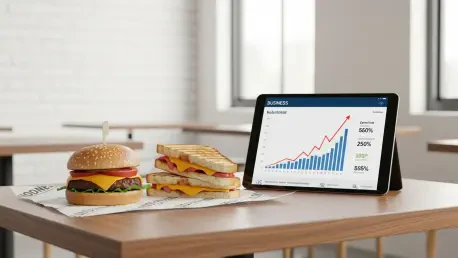
The financial report for the previous year reveals an extraordinary level of productivity within the brand’s physical footprint. With total annual revenue exceeding $58.2 million across just 19 locations, the brand has demonstrated an ability to generate significant cash flow from a relatively small number of units. The average annual sales for mature locations reached $3.4 million, with the top-performing third of restaurants averaging $4.5 million. Most notably, the Stanford location generated over $6.1 million in sales within a mere 1,900 square feet. These metrics highlight a highly optimized kitchen flow and a service model that maximizes revenue per square foot, making the concept highly attractive to potential investors who face rising real estate costs and limited space in prime markets.
Maintaining Margins Amidst Economic Volatility
Despite the inflationary pressures hitting the restaurant industry, The Melt has maintained healthy margins through disciplined cost management and strategic sourcing. In 2025, the brand kept its Cost of Goods Sold at 29.6 percent, a significant feat considering its reliance on premium, all-natural ingredients. Simultaneously, labor costs were kept at 25.5 percent through the implementation of smarter scheduling and advanced kitchen technology that reduces waste and increases speed. By managing these costs internally for years, the corporate team has developed a definitive playbook for profitability that protects the bottom line without compromising the quality of the signature MeltBurger or hand-spun shakes. This balance of premium positioning and rigorous expense control provides a stable foundation for the current franchise rollout.
Geographic Expansion and Market Proof of Concept
The transition to a franchise model is further supported by the successful expansion into the Arizona market. During the previous year, the brand grew its system by 20 percent, opening new locations in Tempe and Paradise Valley. This move was a critical test of whether the “I Love It Here” philosophy and West Coast menu would resonate in a different demographic landscape. The success of these out-of-state units proved that the brand is not just a regional favorite but a scalable concept with broad appeal. By addressing common misconceptions that premium fast-casual brands only work in high-income coastal pockets, the company has demonstrated its potential to succeed in diverse markets across the country.
Strategic Shifts and the 2026 Franchise Outlook
As the organization launches its franchise program in 2026, the industry is watching closely for shifts in the fast-casual landscape. The brand is moving into a space where consumers increasingly demand transparency and clean ingredients, positioning its all-natural menu as a competitive advantage against traditional fast-food chains. Technological innovations in order processing and delivery-optimized packaging are expected to play a larger role as the brand scales toward a national presence. Industry analysts suggest that the move to franchising will allow the company to capture market share rapidly, leveraging its high Average Unit Volumes to attract multi-unit operators who are looking for proven, high-performance concepts in the current economy.
Actionable Insights for the Fast-Casual Sector
The success of this model offers several key takeaways for restaurant operators and industry professionals. First, the data underscores the importance of density of revenue, which involves focusing on maximizing the output of small physical spaces to combat rising rent. Second, the culture-first approach demonstrates that investing in employee experience directly correlates with guest satisfaction and repeat business. For those looking to replicate this success, the recommendation is clear: master the operational details in a corporate environment before attempting to scale. The decade-long test phase has resulted in a de-risked model that provides a clear blueprint for sustainable growth and long-term profitability.
Conclusion: A Blueprint for Scalable Hospitality
The journey from a localized San Francisco concept to a record-breaking revenue generator served as a testament to the power of operational discipline and brand integrity. By waiting until the internal systems were flawless before opening the doors to franchising, the company built a level of financial robustness that remained rare in the fast-casual industry. As the national expansion began, the brand remained a significant player to watch, proving that even in a crowded market, there was always room for a concept that married high-quality comfort food with a sophisticated business model. The transition to franchising marked not just an end to the corporate-only era, but the beginning of a trajectory toward becoming a household name. Stakeholders sought to implement these high-efficiency standards to ensure that future growth mirrored the intensive productivity seen in the initial locations.