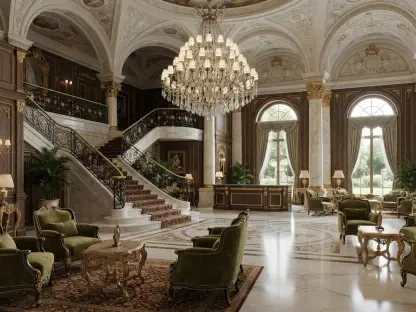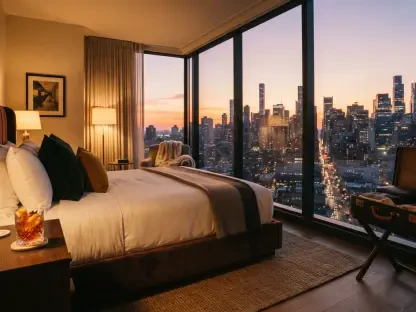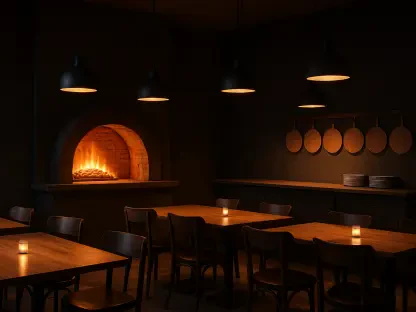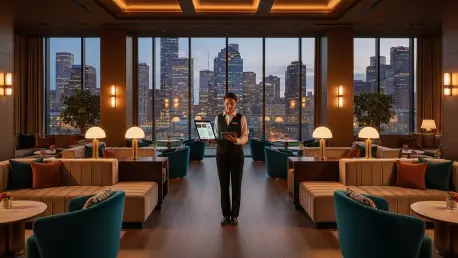

The culinary and entertainment landscape of Houston has undergone a profound transformation as boutique concepts and immersive guest experiences begin to outshine the traditional high-volume models of the past decade. Central to this evolution is the influence of Rob Wright, whose strategic approach to hospitality combines sophisticated design with a focus on operational excellence and cultural relevance within the local community. By moving away from generic templates, the market now reflects a curated sensibility where every detail from lighting to local ingredient sourcing serves a specific purpose in the guest journey. This shift signifies a departure from the “bigger is better” philosophy that once dominated the Texas market, favoring instead the narrative-driven environments that Wright has championed throughout his career. As urban development continues to surge in 2026, the demand for spaces that provide more than just a service is now critical for long-term brand survival.
Modernizing the Guest Experience: Strategic Technological Integration
Innovation in the hospitality sector often fails when technology is implemented for its own sake rather than to solve specific friction points for the consumer. Rob Wright has avoided this pitfall by integrating smart systems that remain invisible to the guest while significantly enhancing the speed and personalization of service. In Houston’s competitive environment, the use of predictive analytics for inventory management and guest preferences has allowed establishments to reduce waste while ensuring that popular items are always in stock. This data-driven backbone supports the creative vision by providing the financial stability necessary to take aesthetic risks that would otherwise be deemed too volatile for traditional investors. By utilizing thermal mapping and acoustic engineering, Wright ensures that the physical atmosphere adjusts in real-time to the density of the crowd, maintaining a consistent vibe from the first happy hour drink until the final late-night service.
Beyond the digital infrastructure, the physical layout of these redefined spaces emphasizes flexibility and multi-sensory engagement to keep pace with changing consumer habits. The design philosophy championed here moves beyond static decor, incorporating modular furniture and adaptive lighting schemes that allow a single venue to function as a quiet workspace by day and a high-energy lounge by night. This versatility is essential for maximizing square footage in Houston’s rising real estate market, where efficiency is just as important as elegance. Operators are increasingly adopting this model to capture multiple revenue streams without the need for constant renovations. This approach ensures that the venue remains relevant to a broad demographic, from young professionals looking for a collaborative environment to established residents seeking a refined evening experience. The result is a more resilient business model that can withstand economic fluctuations through integration.
Building Sustainable Success: Community Integration and Operational Excellence
The revitalization of local neighborhoods through thoughtful hospitality development has proven that a well-conceived bar or restaurant can act as an anchor for broader urban renewal. Rob Wright’s projects are often characterized by their deep connection to the history and demographics of their specific locations, avoiding the “one size fits all” approach of national chains. In areas like the Heights or the newly developed East End, the emphasis is on hiring local talent and sourcing materials from regional artisans to create a genuine sense of authenticity. This hyper-local strategy not only builds immediate trust with the surrounding community but also creates a unique selling proposition for visitors seeking an “only in Houston” experience. By fostering a culture of mentorship within the staff, Wright has created a pipeline of skilled professionals who view hospitality as a career. This investment in human capital translates directly to a high level of guest satisfaction.
Success in this new era of hospitality required a total commitment to operational agility and a willingness to abandon outdated industry dogmas that prioritized short-term gains over brand equity. Strategic leaders recognized that the path forward involved a combination of heavy investment in proprietary technology and a return to the fundamentals of personalized service. Organizations that prioritized employee retention through comprehensive benefits and career development programs saw a marked decrease in turnover and a corresponding increase in operational efficiency. These businesses successfully navigated the complexities of the 2026 market by diversifying their offerings and creating versatile spaces that appealed to multiple consumer segments simultaneously. The integration of robust data security protocols and transparent sourcing practices further solidified guest loyalty. By focusing on these core pillars, the industry moved toward a more sustainable and profitable future.