
The introduction of dedicated Guest Experience Officers under General Manager Holly McMahon signals a strategic shift toward a high-touch service model for the millions who visit the site annually. This evolution is the cornerstone of a broader transformation led by Applejack Hospitality, marking a significant departure from the venue’s previous aesthetic and operational framework. By moving beyond its long-standing reputation as a primary stop for international tourists, the bar now seeks to entrench itself within the daily social fabric of Sydney’s residents. This ambition is reflected in every detail of the reopening, from the structural upgrades to the nuanced service interactions designed to make every guest feel like a local regular. The project represents a decade-long commitment to the Sydney Opera House precinct, effectively bridging the gap between a high-profile global landmark and a neighborhood hub that remains relevant in a competitive market.
The Transformation: A Sophisticated Design Focused on Sustainability
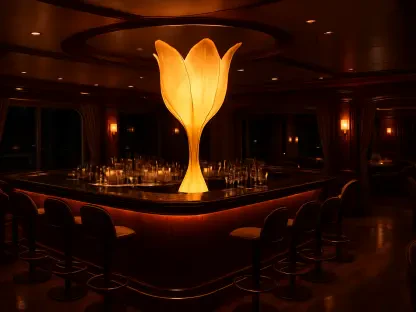
The physical transformation of the space has been executed with a meticulous focus on modern elegance, moving away from the predictable nautical themes that once defined the venue’s visual identity. Designed by the acclaimed Australian studio Luchetti Krelle, the new interior replaces the familiar blue color palette with a sophisticated array of deep greens and earthy tones. This aesthetic shift is complemented by the inclusion of bespoke lighting fixtures and custom-designed furniture that emphasizes comfort without sacrificing style. The terrace and internal bars have been structurally reimagined to improve the flow of traffic, allowing for a more seamless transition between the vibrant outdoor atmosphere and the refined interior lounge areas. By prioritizing high-quality materials and contemporary design principles, the renovation succeeds in creating an environment that feels both exclusive and welcoming, catering to a diverse demographic from theater-goers to casual visitors.
Beyond the structural changes, the overhaul includes a significant investment in technological infrastructure aimed at improving environmental performance. The centerpiece of this effort is the installation of a state-of-the-art all-electric kitchen, which represents a bold move toward sustainability within a heritage-listed precinct. This transition eliminates the reliance on traditional gas-powered systems, substantially reducing the carbon footprint of the venue’s high-volume food service operations. By modernizing the back-of-house facilities, the hospitality group has demonstrated that historic landmarks can adapt to modern ecological standards without compromising on operational efficiency. These upgrades also allow the culinary team to work with greater precision, utilizing advanced induction technology and energy-efficient appliances to maintain a high output during peak periods. This integration of sustainability serves as a blueprint for other iconic public spaces, proving that high-traffic venues can lead the charge in green innovation.
Culinary Innovation: Celebrating Sydney Through a Hyper-Local Menu
Under the creative direction of Culinary Director Patrick Friesen and Executive Head Chef Daniel Cooper, the food program has evolved into a vibrant map of the city’s diverse culinary landscape. The menu intentionally avoids generic offerings, instead favoring a market-style approach that sources ingredients and finished products directly from specialized neighborhood artisans. This strategy is exemplified by the inclusion of pork spring rolls from a renowned Bankstown establishment and authentic falafel provided by a Bondi-based producer. By incorporating these localized flavors, the venue provides guests with an authentic taste of Sydney’s multicultural identity, rather than a filtered version intended for broad appeal. This hyper-local sourcing model supports small-scale producers across the metropolitan area while ensuring that the ingredients remain exceptionally fresh. The result is a menu that celebrates the specific food cultures that make the city unique for all guests who visit the harbor.
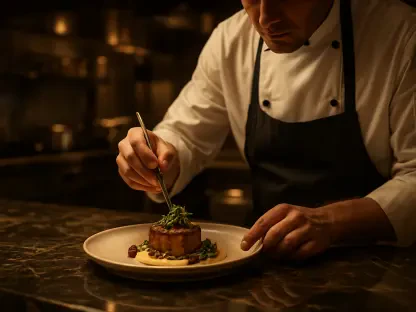
The attention to detail extends to the presentation and the narrative behind every dish served at the bar. For instance, the classic fish and chips utilize a beer batter crafted with a pale ale from a well-known Newtown brewery, anchoring the dish in the city’s craft beer culture. Seafood selections, such as the Sydney Rock Oysters, are sourced from regional depots and paired with specialty hot sauces made by local fermenters. Even the physical plates themselves are part of this local story, having been handcrafted by a regional potter with color-coded rims that help staff and guests navigate the diverse sections of the menu. This holistic approach ensures that the dining experience is not just about the food, but about the craftsmanship and community behind it. By elevating local suppliers to the forefront of the dining experience, the venue fosters a deeper connection with the regional economy. This commitment to provenance serves as a powerful differentiator in a competitive landscape.
Cultural Integration: Elevating the Beverage Program and Community Vibe
The beverage strategy mirrors the localism of the kitchen by exclusively showcasing New South Wales producers. The wine list has been thoughtfully expanded to feature selections from the Hunter Valley, Orange, and the Canberra District, highlighting the diversity of the region’s viticulture. Furthermore, the venue has collaborated with independent winemakers to produce exclusive house labels, ensuring a unique drinking experience that cannot be found elsewhere. The cocktail menu draws inspiration from Australian cultural touchstones, such as a reimagined frozen mango treat using Sydney-distilled rum or a lamington-inspired drink featuring coconut tequila. These playful yet sophisticated creations bridge the gap between nostalgia and modern mixology, making the menu accessible to a wide audience. By focusing on regional spirits and seasonal ingredients, the bar maintains its status as a destination for high-quality beverages while reinforcing its commitment to supporting the local drink industry and regional pride.
Looking forward, the success of the revamped Opera Bar depended on its ability to maintain the delicate balance between high-volume tourist traffic and consistent local patronage. The integration of live music curated by Arts Matter and rotating visual art exhibitions ensured that the venue remained a cultural contributor rather than just a commercial enterprise. Moving into future phases of operation, management was tasked with prioritizing the expansion of these artistic partnerships to keep the atmosphere dynamic and engaging for a new generation. Additionally, the continued investment in staff training through the Guest Experience Officer program remained critical for maintaining the high-touch service standards that distinguished the venue from its competitors. Stakeholders viewed this transformation as an ongoing commitment to quality. By staying responsive to the preferences of the Sydney community, the precinct established a sustainable model for heritage hospitality.