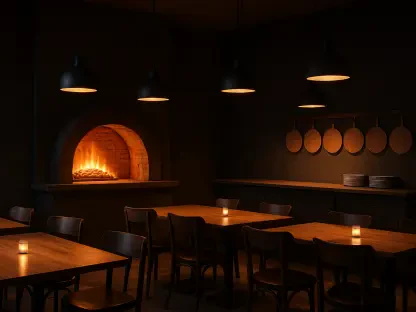

The resurrection of a beloved dining concept often signals more than just a menu update; it represents a calculated gamble on the shifting tastes of a neighborhood like Shoreditch. The return of Tasca to the London dining circuit marks a significant moment for the Shoreditch culinary landscape, as it brings a proven, critically acclaimed concept back into a high-traffic neighborhood. Led by the formidable duo of head chef Josh Dallaway and sommelier Sinead Murdoch, the venture seeks to reclaim the momentum it lost following a premature departure from its previous home. This timeline explores the journey of a kitchen residency that has successfully balanced regional authenticity with the pragmatic demands of the modern hospitality industry. By examining the evolution of the brand from its early success to its upcoming relaunch, one can better understand how flexible business models are reshaping the way Londoners experience high-end Mediterranean cuisine.
The relevance of this topic lies in the ongoing transformation of the Shoreditch dining scene, which increasingly favors agile, collaborative projects over traditional long-term leases. Tasca represents the vanguard of this movement, utilizing a low-overhead residency model to deliver refined dishes and low-intervention wines without the typical risks of a standalone restaurant. As the duo prepares to take over a local coffee shop in a dual-concept partnership, their return serves as a case study for how established talent can navigate the complexities of the city’s competitive market through strategic collaboration and creative resilience.
Reestablishing a Culinary Identity in East London
The return of Tasca is not merely a reopening but a strategic reinsertion of a refined identity into the East London food scene. Josh Dallaway, whose background includes time at Sager + Wilde, and Sinead Murdoch, formerly of Bistro Freddie, bring a level of professional pedigree that commands immediate attention. Their partnership is built on a shared vision of Mediterranean dining that prioritizes quality over pretense. By choosing a residency model, they have effectively reduced the financial barriers to entry, allowing them to focus on the culinary execution that originally won over critics and diners alike.
A Chronological Journey Through Tasca’s Revival
September 2025 – The Abrupt Conclusion at Câv
The initial chapter of the Tasca story reached an unexpected turning point in September 2025 with the closure of its residency at Câv in Bethnal Green. Although the venture had garnered significant critical praise from major publications, the partnership ended four months earlier than the original agreement had specified. Despite the premature exit, the tenure was a resounding success in terms of brand building, establishing Dallaway’s reputation for high-quality Southern European flavors and Murdoch’s expertise in seasonal, low-intervention wine pairings. This period served as the foundation for the brand’s identity, proving that there was a substantial appetite for accessible yet sophisticated Mediterranean dining in East London.
Late 2025 to Mid 2026 – A Global Culinary Sabbatical
Following the closure of the Bethnal Green site, the duo embarked on a ten-month period of nomadic culinary exploration. Rather than rushing into a new permanent location, Dallaway and Murdoch stayed active by hosting a series of international and domestic pop-ups. These events took them to diverse food hubs including Lisbon, Bangkok, and Bristol, allowing them to refine their techniques and draw fresh inspiration from different regional markets. This phase was crucial for maintaining the brand’s visibility and relevance during its hiatus from the London scene. It also allowed the team to experiment with new ingredients and service styles, ensuring that the next iteration of Tasca would be even more polished than the last.
July 2026 – The Shoreditch Homecoming and Soft Launch
The timeline culminates in July 2026 with the official announcement of Tasca’s residency at Project 44 in Shoreditch. Partnering with Graham Hussey and Mark Juby, the duo orchestrated a return that utilizes a clever dual-concept operational model. Starting with a soft-launch period in late July, the venue functions as a coffee shop during daylight hours before transitioning into a vibrant food and wine bar in the evenings. The launch menu, featuring items like cured Cecina de León and Cornish mussel rice, signals a return to the high-caliber cooking that defined their earlier success. This homecoming represents the completion of a strategic loop, moving from a successful but short-lived residency to a global tour and finally back to a strategic, high-footfall location in the heart of the city.
Synthesizing the Impact of the Residency Model
The most significant turning point in this timeline is the transition from a traditional restaurant mindset to a flexible residency model that prioritizes collaboration. By partnering with existing businesses like Project 44, Tasca has bypassed the high entry barriers of the Shoreditch market while offering a unique evening experience that complements the venue’s daytime identity. This overarching theme of “kitchen takeovers” reflects a broader shift in the industry toward shared spaces, where overhead costs are split and foot traffic is maximized throughout the day. It demonstrates a growing preference for agility over permanency, allowing chefs to focus on culinary execution rather than administrative burdens.
However, this model also highlights certain gaps in the current hospitality landscape, particularly regarding the long-term stability of such arrangements. While the Shoreditch residency is currently described as open-ended, its future remains contingent on performance metrics over the first few months. This “wait-and-see” approach is a recurring pattern in the modern London dining scene, where even the most acclaimed concepts must prove their commercial viability in real-time. Future exploration into this topic might examine whether these shared-space models can eventually evolve into permanent fixtures or if the “permanent residency” is the new ceiling for independent culinary talent.
Navigating the Competitive Shoreditch Landscape
The success of Tasca’s return will likely depend on its ability to navigate the nuances of a neighborhood already saturated with high-end wine bars and small-plate concepts. One emerging innovation in their approach is the specific focus on regional Southern European ingredients paired with very low-intervention wines from small-scale producers. This hyper-local sourcing strategy caters to an increasingly discerning clientele that values transparency and sustainability. Furthermore, the expert collaboration between a seasoned chef and a specialist sommelier provides a level of synergy that is often missing from more commercialized ventures in the area.
A common misconception about kitchen residencies is that they are merely temporary “pop-ups” with limited resources. In reality, the Tasca model at Project 44 functions as a sophisticated, full-service operation that leverages the infrastructure of an established space to deliver a refined experience. This strategic move allows the duo to maintain creative freedom while tapping into the existing community of a popular coffee shop. By blurring the lines between a daytime cafe and a nighttime destination, Tasca is not just returning to the scene; it is actively participating in a new methodology of urban dining that emphasizes community, quality, and operational efficiency.
The strategic revival of Tasca illustrated how seasoned professionals navigated a volatile market by embracing flexibility over permanence. The project focused on maximizing the utility of a single physical space to mitigate financial risks. Moving forward, the industry might have looked toward similar shared-space agreements as a primary solution for independent operators facing rising urban costs. These collaborations suggested that the future of dining rested on the ability to integrate diverse identities into a unified customer experience, proving that a permanent residency could indeed become a fixture of the city’s food culture. To understand the broader shift in London’s gastronomic economy, one should investigate the rise of dual-concept venues and the evolving legal frameworks governing short-term kitchen leases in high-rent districts.