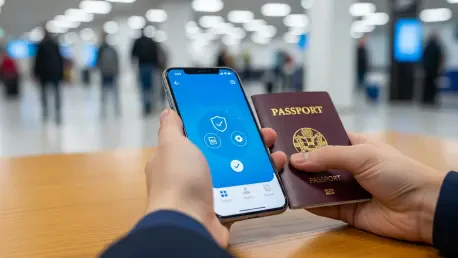

Navigating the bustling terminals of Sydney or Melbourne has become a testament to the resilience of the global travel industry, which now operates under a more sophisticated and demanding set of expectations than ever before. The international travel scene is characterized by a unique blend of nomadic backpackers seeking remote digital hubs and luxury explorers embarking on high-end cruisers, all of whom face a fluctuating economic landscape that dictates the necessity of financial protection. As the complexities of global movement increase, the choice between major insurance providers has become a critical component of trip planning for Australians. Two industry leaders, 1Cover and Cover-More, have emerged as the primary contenders for those seeking comprehensive protection against the myriad risks of modern adventure. These organizations have adapted their offerings to address everything from sudden medical emergencies to the logistical nightmares of lost baggage or missed connections. While both companies strive to provide a sense of security, their distinct business models and policy structures mean that the ideal choice depends heavily on individual travel styles and specific risk tolerances. This comparison explores how these two giants compete to dominate the market by offering reliable coverage for the diverse needs of the modern explorer.
Strategic Philosophies: Direct Digital Versus Global Integration
The operational heart of 1Cover is defined by a direct-to-consumer philosophy that prioritizes efficiency and a streamlined digital experience. By bypassing the traditional networks of travel agents and third-party intermediaries, the company manages to eliminate the high commissions that often inflate policy premiums for the end user. This digital-first strategy is specifically tailored for independent travelers who are comfortable managing their own itineraries and seeking out the best value through online platforms. The user interface provided by 1Cover is designed to be intuitive, allowing a traveler to secure a policy in a matter of minutes, which reflects the broader trend of self-service in the modern travel economy. This lean business model not only supports competitive pricing but also ensures that the company can pivot quickly to update its policies as global travel conditions shift, maintaining a high level of relevance for those who demand speed and transparency in their financial products.
In contrast, Cover-More functions as a global powerhouse with a business model deeply rooted in strategic partnerships and institutional integration. As a massive entity with a presence in multiple countries, it often serves as the underlying insurance provider for major airlines, prominent banking institutions, and large-scale retail travel agencies. This extensive reach means that many travelers encounter Cover-More products indirectly when they book a flight or open a premium credit card account. While they do offer direct sales to the public, their primary strength lies in their vast infrastructure and logistical capabilities, which allow them to provide a high level of assistance and support on a global scale. This approach favors the traveler who seeks a more traditional, high-touch service experience or those who prefer the convenience of having their insurance bundled with other travel components. The sheer size of Cover-More provides a level of institutional stability that appeals to those planning complex, multi-leg international journeys where local support is paramount.
Foundational Security: Universal Standards for Comprehensive Protection
Despite their contrasting business methods, both 1Cover and Cover-More align on the fundamental requirements of a high-quality travel insurance policy. The cornerstone of any comprehensive plan is the provision of unlimited coverage for overseas medical expenses and emergency evacuations. In a world where healthcare costs in regions like North America or parts of Europe can quickly become astronomical, this unlimited cap is a non-negotiable feature that protects travelers from total financial ruin. Both insurers maintain robust networks of medical professionals and emergency responders, ensuring that if a policyholder falls ill or suffers an injury, they receive immediate care regardless of their location. This universal focus on medical safety highlights the shared commitment of these insurers to mitigate the most significant risk associated with international travel, providing a safety net that covers everything from routine hospital stays to complex surgical procedures and repatriation.
Beyond the immediate concerns of health, these industry leaders focus heavily on safeguarding the substantial financial investments that modern trips require. This includes extensive coverage for trip disruptions, such as the reimbursement of non-refundable flights, prepaid accommodations, and tour deposits if a traveler is forced to cancel due to unforeseen events like sudden illness or a family crisis. Protection for personal property also remains a standard inclusion, covering the loss, theft, or accidental damage of luggage and electronics. Both companies provide 24/7 emergency hotlines staffed by experts trained to handle crises ranging from lost passports to natural disasters. These foundational elements ensure that regardless of which provider is chosen, the traveler is equipped with a basic level of protection that addresses the most common and costly interruptions encountered during an international excursion. The consistency in these core areas allows the competition between the two brands to focus more on niche features and pricing dynamics.
Cost Efficiency: The Appeal of Direct-to-Consumer Models
For the budget-conscious traveler or the demographic under the age of 70, 1Cover often presents a compelling case based on pure cost-effectiveness. The savings generated by their direct-sales model are frequently passed on to the consumer, making them a top choice for those visiting popular destinations such as Southeast Asia or the South Pacific. Their product lineup is intentionally simplified, offering a few clear tiers of coverage that can be easily customized with specific add-on modules for activities like skiing or mountain biking. This modular approach allows travelers to pay only for the protection they actually need, avoiding the premium costs associated with broader, all-encompassing policies that might include unnecessary features. For the younger traveler or the digital nomad, this transparency and price-competitiveness are significant advantages that make 1Cover a dominant force in the high-volume, standard-risk segment of the travel insurance market.
A unique and highly valued feature of the 1Cover portfolio is the availability of their “Already Overseas” policy, which addresses a common logistical oversight. Most traditional insurers require that a policy be purchased before the traveler leaves their home country, leaving those who forget to do so or those whose current policy expires while they are still abroad in a precarious position. 1Cover has filled this gap by allowing Australians already in a foreign country to secure new coverage, provided they meet certain waiting period requirements. This flexibility is a vital safety net for long-term travelers, gap-year students, or individuals who decide to extend their journeys spontaneously. By offering a solution for those already in transit, 1Cover demonstrates a modern understanding of the fluid nature of travel, catering to a segment of the market that traditional, more rigid institutions often overlook or exclude.
Premium Solutions: Serving Complex and High-Value Travelers
Cover-More distinguishes itself through its ability to manage the more complex and high-value ends of the travel insurance spectrum. They are widely regarded as a superior option for senior travelers, as their medical assessment processes are often more sophisticated and flexible for individuals over the age of 70. While many budget insurers may simply decline coverage for certain pre-existing conditions or charge exorbitant premiums, Cover-More utilizes a detailed screening process to provide tailored solutions for retirees and multi-generational families. This expertise makes them the preferred choice for those embarking on expensive, once-in-a-lifetime adventures where the stakes are high and the medical history is complicated. Their focus on the senior demographic ensures that a large and growing segment of the traveling public can find reliable protection that matches their specific health profiles and travel ambitions.
The company also excels in providing what can be described as a concierge-style insurance experience, which is particularly beneficial for luxury travelers. Because their policies are often integrated into high-end credit cards or premium airline bookings, the claims process and the initial acquisition are often much smoother for the user. Cover-More typically offers significantly higher cancellation limits than its competitors, allowing travelers to fully insure luxury cruises, private tours, or extended stays in high-cost accommodations that might exceed the caps of more basic policies. This focus on high-limit protection and seamless integration provides peace of mind to those who have invested tens of thousands of dollars into their travel plans. For these individuals, the slightly higher premium is often a worthwhile investment for the increased limit of liability and the extensive support network that comes with a globally integrated provider.
Modern Health Management: Addressing Systemic and Individual Risks
The approach to medical coverage has undergone a significant evolution, with both 1Cover and Cover-More now treating COVID-19 as a managed medical risk rather than a disruptive pandemic. In the current landscape, if a traveler contracts the virus while abroad and requires medical intervention or hospitalization, both insurers provide coverage similar to any other sudden illness. This includes the payment of hospital bills and, in many cases, reimbursement for additional lodging and meal expenses if the traveler is legally required to isolate by local health authorities and consequently misses their scheduled return flight. This normalization of health risks allows travelers to plan their trips with the confidence that the most common viral threats are accounted for within their standard policy, reflecting a mature response from the insurance industry to a previously volatile situation.
However, a clear distinction remains regarding what insurance is not intended to cover, particularly in relation to systemic government actions. Both insurers maintain strict exclusions for cancellations caused by government-mandated border closures or changes in travel advisories issued by national authorities. If a destination country suddenly restricts entry or if an airline cancels a route due to new regulatory shifts, the financial loss typically falls outside the scope of individual travel insurance. These events are classified as known risks or systemic failures that the insurance market is not designed to absorb on an individual basis. Travelers are expected to rely on the refund policies of their airlines and tour operators for these types of disruptions. This clarity in policy wording is essential for managing expectations, ensuring that policyholders understand the boundaries between personal medical protection and the broader geopolitical realities of international movement.
Adventure and Leisure: Specialized Protection for Diverse Activities
Life at sea presents a unique set of challenges that require specialized insurance considerations, and Cover-More has positioned itself as a leader in the cruise insurance niche. Their cruise-specific policies are designed to handle the high costs of shipboard medical treatment and the logistical complexity of airlifting a patient from a vessel to a mainland hospital. These policies often include benefits for “cabin confinement,” providing compensation if a traveler is quarantined due to an outbreak on the ship, as well as coverage for missed ports and pre-paid shore excursions. Given the high concentration of seniors and luxury travelers in the cruise market, Cover-More’s deep ties with cruise-specialist travel agencies ensure that their products are perfectly aligned with the needs of the modern cruiser, providing a level of detail that more generic policies often lack.
For those who prefer the mountains over the ocean, both 1Cover and Cover-More offer essential add-ons for snow sports and high-risk activities. These supplementary premiums are necessary to cover the costs of mountain rescues, specialized medical evacuation, and the theft or damage of expensive skiing or snowboarding equipment. While 1Cover is frequently the preferred choice for younger adventure seekers due to its competitive pricing on these modules, both companies maintain strict safety requirements. For instance, any traveler operating a motorcycle or scooter must possess a valid license recognized in their home country to remain covered. This emphasis on personal responsibility ensures that the insurance pool remains sustainable while still allowing thrill-seekers to pursue their passions. Whether it is a luxury cruise through the Mediterranean or a snowboarding trip in the Japanese Alps, the ability to customize a policy for niche activities is a defining feature of the competition between these two brands.
Financial Dynamics: Navigating the Pricing and Claims Landscape
Determining the best value in travel insurance is a dynamic process, as premiums are influenced by a wide range of factors including the traveler’s age, the specific destination, and the total duration of the trip. Generally, 1Cover maintains a lead in pricing for basic comprehensive plans, especially for those in lower-risk age brackets who are traveling to standard destinations. Conversely, Cover-More often provides better value when a traveler requires high-value customization or has complex medical needs that require a more nuanced assessment. Prospective travelers are encouraged to obtain live quotes from both providers simultaneously, as the competitive nature of the market means that prices can fluctuate based on seasonal promotions or updated actuarial data. The goal for the consumer is not necessarily to find the lowest price, but the best ratio of coverage limits to premium cost for their specific itinerary.
The effectiveness of a policy is ultimately tested during the claims process, where the success of a reimbursement often depends on the diligence of the traveler rather than the brand of the insurer. One of the most common reasons for a denied claim remains the failure to disclose pre-existing medical conditions during the application phase. Both 1Cover and Cover-More operate on a proof-based system, meaning that any request for reimbursement must be supported by an extensive trail of documentation. This includes medical reports from local doctors, official police statements for stolen items, and original receipts for all expenses incurred. Maintaining a digital or physical folder of these documents while traveling is the single most important action a policyholder can take to ensure a smooth claims experience. Both companies have moved toward digital claims submission, which has significantly reduced the time it takes for travelers to receive their payouts, provided the necessary evidence is presented clearly.
Final Preparations: Securing the Future of Personal Travel
The evaluation of these two insurance giants demonstrated that selecting the right policy required a balance of foresight and honesty regarding one’s specific travel needs. It was observed that the most successful travelers were those who secured their insurance at the exact moment they paid their initial trip deposit, rather than waiting until the week of departure. This early purchase ensured that the cancellation coverage was active during the months leading up to the trip, protecting the traveler against unforeseen events that could occur long before they reached the airport. The data indicated that waiting until the last minute was a common mistake that left many Australians vulnerable to pre-trip disruptions that could have been easily mitigated with a timely policy. By prioritizing this early commitment, individuals were able to lock in their protection and focus on the logistical details of their upcoming journey.
The process of choosing between 1Cover and Cover-More ultimately highlighted the importance of reading the Product Disclosure Statement to understand the specific “Insured Events” covered under cancellation terms. It was clear that insurance was never intended to be a “cancel for any reason” safety net, but rather a protection against defined crises such as injury, natural disasters, or sudden illness. To navigate the complexities of international travel effectively, travelers were encouraged to be completely transparent about their medical history and to choose the provider that aligned with their specific demographic and destination risks. This strategic approach to insurance allowed travelers to utilize the competition between these two market leaders to their advantage, ensuring that no matter the destination, a reliable financial safety net was always in place. Past experiences showed that an informed and proactive consumer was the one most likely to return home with their finances and peace of mind intact.