
With a deep-rooted expertise in the travel, tourism, and events sectors, Katarina Railko has become a leading voice in navigating the complex landscape of hospitality risk management. As the industry grapples with economic pressures, a competitive labor market, and a host of new and evolving threats, operators are seeking strategies to protect their profitability and brand. We sat down with Katarina to discuss the critical trends shaping the future of hospitality, exploring how to manage escalating insurance costs, effectively attract and retain talent by addressing employee well-being, and fortify defenses against both physical and digital-age liabilities. She provides a clear-eyed view of the challenges ahead and the proactive measures essential for survival and success.
Given that insurance rates like liquor liability have risen by as much as 20%, what specific operational changes or strategic property upgrades can hotel operators implement to not only control these costs but also present a more favorable risk profile to their insurance brokers?
That’s a pain point we’re hearing about across the board. Seeing a 20% jump in liquor liability or 15% in auto liability feels like a gut punch, especially when margins are already tight. The key is to shift from a reactive mindset to a proactive one. Insurance carriers want to see that you are an active partner in mitigating risk, not just a name on a policy. For example, instead of just accepting the liquor liability hike, install a new ID scanning system that logs every check, or implement mandatory, documented server intervention training. For auto liability, it could be investing in telematics for your guest transport vehicles to monitor driving habits. The critical final step is to package these improvements and present them to your broker well before renewal. You’re telling the underwriter a story: “We see the risk, and here are the tangible, strategic investments we’ve made to control it.” That narrative can make all the difference in your coverage options and pricing.
The article highlights a “vitality gap,” with 60% of employees valuing well-being benefits. Beyond offering basic perks, can you walk us through a step-by-step process for implementing a modern, layered benefits program that effectively attracts and retains talent in a competitive labor market?
The “vitality gap” is one of the most significant, yet often overlooked, challenges in hospitality today. That 60% figure is a loud and clear message that the old approach to benefits is no longer enough. To build a program that truly resonates, I recommend a three-layered approach. First, you start with a strong foundation: offer first-day minimum essential coverage for all employees. This is a massive differentiator in an industry known for waiting periods. Second, you build the wellness layer that employees are demanding. This is where you address that vitality gap directly with expanded mental health benefits, gym memberships, and flexible policies that genuinely encourage work-life balance. Finally, you modernize the entire experience with software-based solutions. Think interactive coaching, accessible wealth management tools, and a seamless digital interface. This shows you’re not just offering benefits, but you’re investing in their personal and financial well-being, which is how you win loyalty in today’s market.
With insurers now requiring more documentation around workplace violence, what does an effective de-escalation and active shooter protocol look like in practice? Please share a few critical components that every hotel’s risk management plan should include to satisfy these new underwriting standards.
Insurers are no longer just checking a box on this; they want to see a living, breathing program. A truly effective protocol is built on three pillars. The first, and most important, is proactive de-escalation training. Your front-line staff are your first responders. They need practical, hands-on training to recognize the signs of agitation and use specific communication techniques to defuse a situation before it ever turns violent. It’s about empowering them with confidence and skills. The second pillar is a clear, drilled active shooter protocol. This cannot be a memo that people read once. It needs to involve drills, clear evacuation routes, designated safe rooms, and a communication plan that every single employee understands instinctively. Finally, the third pillar is meticulous documentation. This is what underwriters demand. You must have records of every training session, every policy update, and a clear process for reporting and analyzing any incidents. It’s the proof that your commitment to safety is an active, ongoing part of your culture.
As wellness tourism becomes the industry’s fastest-growing segment, it introduces new liabilities. Could you share a concrete example of a new wellness offering, like an outdoor excursion, and then detail the specific training, supervision, and maintenance protocols required to manage that added risk?
This is such an exciting growth area, but you’re right, the risk profile changes dramatically. Let’s take a popular offering: a guided sunrise hike on a nearby trail. The potential for a twisted ankle, dehydration, or getting lost is very real. To manage this, your protocols must be airtight. First, training is non-negotiable. Your guides must have, at minimum, current wilderness first-aid and CPR certifications. They also need specific training on that exact trail—its challenges, its weather patterns, and its potential hazards. Second is supervision. You need to establish firm guide-to-guest ratios, a mandatory pre-hike safety briefing, and a reliable check-in/check-out system so you always know who is on the mountain. Third is maintenance and equipment. This includes everything from ensuring the trail itself is well-marked and clear of obvious hazards to regularly inspecting any equipment you provide, like walking sticks or water bottles. One slip-up in any of these areas can turn a memorable wellness experience into a significant liability claim.
Hotels face dual digital threats from cyber attacks and ADA non-compliance on booking platforms. What are the first three steps an operator should take to conduct a comprehensive audit of both their cyber security readiness and their digital accessibility for guests with disabilities?
Treating your digital presence with the same rigor as your physical property is essential today. The first step for a comprehensive audit is to conduct a third-party vulnerability assessment of your cyber infrastructure. You need an objective, expert eye on your POS systems, your guest Wi-Fi network, and especially your connections with third-party vendors, as those are often weak points. The second step is a dedicated ADA compliance audit of your website and mobile apps. This involves using automated tools and, ideally, human testers with disabilities to ensure that everything from booking a room to viewing a menu is fully accessible. Non-compliance isn’t just a reputational risk; it’s a legal minefield. The third and final step is an internal protocol review. Once you have the technical data from the first two steps, you must look at the human element. Who has access to sensitive data? Is your staff regularly trained to spot phishing emails? A strong firewall is useless if an employee unknowingly gives away the keys.
What is your forecast for the single biggest unforeseen risk that will challenge the hospitality industry’s profitability over the next five years?
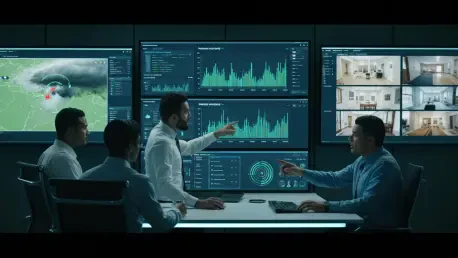
My biggest concern isn’t a single event like another pandemic or a specific type of cyber-attack. The greatest emerging risk is the catastrophic convergence of multiple, simultaneous crises. We plan for a hurricane, and we plan for a data breach, but we don’t plan for them to happen at the same time. Imagine a scenario where a major coastal hotel brand is forced to evacuate multiple properties due to a severe weather event, but at that exact moment, their reservation and communication systems are taken down by a ransomware attack. The operational paralysis would be absolute. The ability to contact guests, coordinate with emergency services, and manage the financial fallout would be crippled. This compounding of crises overwhelms traditional risk management plans and can create losses so complex they become difficult, if not impossible, to insure. The future of risk management is moving beyond siloed planning and building a deeper, more integrated resilience to a world where the worst-case scenarios can and will happen at the same time.