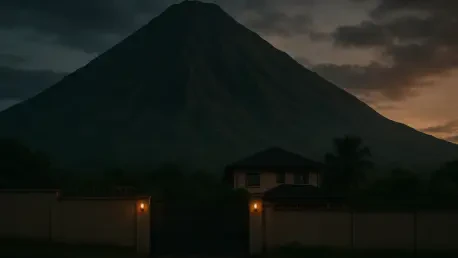

Personal security in the region is compromised by a mixture of opportunistic violent crime and the credible risk of kidnappings targeting those perceived to have resources. This stark reality defines daily life in Buea, a city that sits at a fascinating historical and geographical crossroads on the slopes of Mount Cameroon. Once the administrative center of German Kamerun, the city has evolved into a vital academic and cultural hub for the Southwest Region. Its unique climate, characterized by cooling mountain mists and frequent rainfall, offers a sharp contrast to the tropical heat of the coastal plains. However, the serene aesthetic of the university town is increasingly at odds with a complex security landscape that has intensified in recent years. For residents and the few visitors who arrive for essential business, the environment requires a constant state of vigilance, as the traditional safety protocols of an urban center are no longer sufficient to navigate the systemic challenges present in 2026.
The Geopolitical Context: Armed Conflict and Civil Instability
Conflict Dynamics: The Regional Security Crisis
The overarching security situation in Buea is inextricably linked to the broader socio-political crisis affecting the Anglophone regions of Cameroon. This is not merely a matter of localized crime but a systemic conflict involving periodic armed clashes between state security forces and various non-state armed groups. These encounters are often unpredictable and can escalate rapidly into high-intensity violence, involving the use of small arms and, increasingly, improvised explosive devices in public spaces. The city’s proximity to dense forest covers and the rugged terrain of the mountain provides strategic advantages to guerrilla fighters, leading to sudden incursions and security operations that can catch civilians unprepared. Consequently, major international travel advisories continue to maintain a high-risk classification for the area, warning that the presence of security personnel often makes specific districts potential flashpoints for targeted attacks or spontaneous skirmishes.
Civil Unrest: The Ghost Town Phenomenon
Beyond the threat of direct kinetic conflict, the city is subject to a unique form of civil pressure known as the ghost town phenomenon. These mandatory general strikes, usually observed every Monday or on dates of political significance, result in the total cessation of commercial and educational activities. The streets of Molyko and other bustling districts become eerily quiet as shops close their doors and public transportation grinds to a halt. The danger during these periods is two-fold: the lack of movement creates an environment where those who defy the strike are targeted for retaliation, and the absence of a visible civilian presence can lead to increased military patrolling and tension. Navigating the city during these strikes is highly discouraged, as the enforcement of these shutdowns by non-state actors is often violent. Any attempt to maintain a normal routine during a ghost town day places individuals at significant risk of being caught in a confrontation between enforcers and the military.
Crime Assessment: Personal Safety and Urban Threats
Violent Crime: Armed Robberies and Targeted Attacks
The volatility of the regional conflict has created a vacuum that opportunistic criminal elements frequently exploit, leading to a rise in violent crime within the city limits. Armed robberies are a persistent threat, particularly after dusk when the lack of reliable street lighting provides cover for perpetrators. These incidents are often characterized by the use of firearms or machetes, and the perpetrators typically target individuals who appear to have access to foreign currency or expensive electronics. Public ATMs and the areas surrounding major financial institutions in the city center are recognized as high-risk zones where muggings occur with alarming frequency. Security experts advise that resistance in these situations often leads to a rapid escalation of violence; therefore, total compliance is the standard recommendation for minimizing physical harm. The risk is significantly higher in isolated residential neighborhoods or on the periphery of the university campus, where police response times are often delayed by the prevailing security priorities of the region.
Petty Crime: Risks in High-Traffic Commercial Zones
While violent crime occupies the focus of security planning, petty theft remains a medium-level risk that affects nearly everyone navigating the city’s commercial arteries. Pickpocketing and bag snatching are common occurrences in crowded areas such as the Molyko market, bus terminals, and the bustling intersections near the University of Buea. Thieves in these environments often work in small teams, using distraction techniques to separate victims from their phones, wallets, or laptops. The high density of the student population and the constant movement of commuters provide ample opportunity for these crimes of opportunity to go unnoticed until the perpetrator has long since disappeared. To mitigate these risks, it is essential to avoid any display of wealth and to keep bags and electronics secured and out of sight. The frequency of these incidents tends to increase during the lead-up to major holidays or at the beginning of the academic semester, when the concentration of people and resources in the city is at its peak.
Transportation Hazards: Infrastructure and Movement
Navigational Risks: Road Safety and Infrastructure Decay
The physical act of traveling within Buea presents a significant logistical challenge due to the deteriorating state of the local infrastructure. Many of the city’s secondary roads suffer from severe erosion and a lack of maintenance, conditions that are exacerbated by the heavy tropical rainfall that characterizes the mountain climate. These environmental factors contribute to deep potholes and unstable road shoulders, making navigation difficult even for experienced local drivers. Furthermore, the traffic environment is defined by a high volume of motorcycles, known locally as “benskins,” which often operate with a disregard for standard traffic laws. The combination of erratic driving, overloaded vehicles, and a total lack of functional street lighting at night creates a high-risk scenario for motor vehicle accidents. For those unfamiliar with the local terrain and driving culture, the risk of a serious collision is a constant concern, necessitating the use of professional drivers who are familiar with the specific hazards of the Buea road network.
Transit Vulnerabilities: The Douala-Buea Corridor
The primary route connecting Buea to the economic hub of Douala is a critical point of vulnerability for all travelers. Since the city lacks its own commercial airport, this road corridor serves as the only viable link for international arrivals, yet it is frequently subject to security disruptions. Travelers must navigate a series of official military checkpoints and, occasionally, unofficial roadblocks established by armed groups. These transit points are often tense and require the presentation of multiple forms of identification; any hesitation or perceived lack of cooperation can lead to lengthy detentions or increased scrutiny. During periods of heightened political tension or on the eve of ghost town days, this road can become entirely impassable due to fallen trees or intentional blockades. Verifying the status of the Douala-Buea highway through real-time intelligence is a mandatory prerequisite for any journey, as the situation on the road can change within a matter of minutes, turning a routine transit into a dangerous entrapment.
Environmental Hazards: Mount Cameroon and Public Health
Geological Dangers: Volcanic Activity and Landslides
The majestic presence of Mount Cameroon, while a defining feature of the city’s beauty, represents a significant geological threat to the population. As one of the most active volcanoes in Africa, the mountain remains under constant surveillance for seismic activity that could signal a future eruption. While major volcanic events are relatively infrequent, they remain a background risk that shapes the city’s emergency planning. More immediate environmental hazards include the high probability of landslides and flash flooding triggered by the intense seasonal rains. The steep slopes on which many residential areas are built are prone to instability, and a single heavy downpour can result in mudslides that block roads or destroy property. For those drawn to the mountain for research or trekking, the risks are compounded by sudden meteorological shifts, where dense fog can reduce visibility to near zero in seconds. Independent hiking is strictly discouraged not only because of these weather patterns but also because the mountain trails have become corridors for armed groups, making local guides an absolute necessity.
Public Health: Water Security and Utility Failures
Maintaining health and well-being in Buea requires a disciplined approach to sanitation and resource management. The municipal water supply is generally considered unsafe for direct consumption due to the high risk of contamination from waterborne pathogens such as typhoid and cholera. The infrastructure for water treatment is often overwhelmed by the city’s growing population and the environmental impact of heavy rains. Consequently, the exclusive use of sealed bottled water for drinking, cooking, and even basic hygiene like brushing teeth is the only way to ensure safety. Beyond water concerns, the city’s electrical grid is notably unstable, with frequent and prolonged power outages that can last for days. These utility failures impact everything from food refrigeration to communication systems, making it essential for residents to maintain emergency supplies of non-perishable food and high-capacity power banks. The intersection of these health risks and infrastructure failures demands a high level of self-sufficiency for anyone residing in the city for an extended period.
Strategic Planning: Neighborhood Risk and Mitigation
Urban Zoning: Identifying High-Risk Neighborhoods
While the security situation is fluid, there are distinct geographic patterns to the risks present within Buea. Molyko, the commercial and educational heart of the city, offers the greatest access to services, hotels, and internet connectivity, but its high-profile nature makes it a primary site for demonstrations and military presence. In contrast, the more residential areas of Upper Buea and the government administrative quarters may appear quieter, but their relative isolation can make them targets for nighttime robberies. The outskirts of the city and the rural roads leading toward the mountain slopes are considered the highest-risk zones, as they are often beyond the immediate reach of security patrols and are more susceptible to the movement of non-state actors. For anyone required to stay in the city, the only viable accommodation options are established hotels that provide private security personnel, gated perimeters, and backup power systems. These facilities often serve as the most reliable sources of localized security information, providing guests with updates on road conditions and strike actions.
Risk Mitigation: Protocol and Intelligence Gathering
Successful navigation of the environment in Buea depends on the implementation of rigorous personal security protocols and the continuous gathering of intelligence. Relying on information that is more than a few hours old is a dangerous practice in such a volatile setting. Proactive risk management involves establishing a network of local contacts who can provide real-time updates on the status of checkpoints and the likelihood of civil unrest. Movement should be strictly limited to daylight hours, as the security profile of the city changes dramatically once the sun sets. Furthermore, maintaining a low profile is essential; this includes avoiding the photography of sensitive government buildings or military personnel, which can lead to immediate arrest or harassment. It is also critical to secure specialized high-risk insurance, as many standard travel policies specifically exclude coverage for regions under active “Do Not Travel” advisories. These measures are not merely suggestions but are the necessary components of a survival strategy in a region where the margin for error is increasingly narrow.
Strategic Response and Future Outlook
The evaluation of Buea’s security landscape during the current period indicated that the city remained a high-stakes environment where traditional safety assumptions failed to apply. Stakeholders recognized that the ongoing regional conflict fundamentally altered the risk calculus for all activities, from academic research to humanitarian logistics. It was established that those who achieved the highest level of safety were individuals who prioritized real-time intelligence over static travel guides. The integration of private security measures and the strict adherence to daylight-only movement protocols became the standard operational procedure for the few international organizations still maintaining a presence in the area. Moving forward, the city’s potential for recovery was seen as being tied directly to the broader resolution of the political crisis in the Southwest Region.
Experience from the past several months showed that the most effective response to the volatility involved a combination of extreme local vigilance and robust exit strategies. Professionals operating in Buea learned that maintaining a departure plan, including secured transit to the Douala corridor, was a non-negotiable requirement for operational security. These findings suggested that while the city retained its cultural and geographical significance, the cost of entry in terms of risk management remained exceptionally high. Future considerations for the region involved the potential for increased technological monitoring and the development of more resilient community-based security networks. Ultimately, the analysis determined that until systemic stability returned, the rewards of visiting or working in Buea would continue to be heavily weighed against the significant personal and logistical risks.