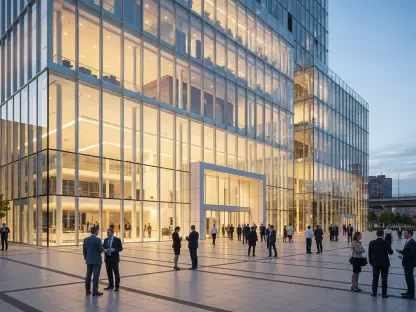

In a region renowned for its rapid architectural and economic transformations, a profound shift is underway, one that prioritizes human capital and quality of life as the ultimate measure of progress. A recent landmark summit in Dubai convened global experts, government visionaries, and healthcare innovators to chart a definitive course for the Middle East’s emergence as a world-class destination for wellness and medical tourism. This pivotal gathering moved beyond conventional discussions of healthcare, focusing instead on a holistic ecosystem that integrates physical, mental, and social wellbeing. The conversations held and strategies outlined during this event have set a new benchmark for the industry, signaling a decisive pivot from reactive treatment to proactive, personalized care. At the heart of this movement is a commitment to not only build state-of-the-art facilities but also to cultivate a culture of health that permeates every aspect of society, positioning the region at the forefront of the global wellness revolution.
A New Vision for Regional Wellbeing
The summit underscored a powerful synergy between industry ambitions and national policy, framing the UAE’s National Strategy for Wellbeing 2031 as the foundational blueprint for the sector’s future. This government-led initiative was presented not merely as a set of goals but as a comprehensive framework designed to embed wellbeing into the very fabric of society and governance. Discussions highlighted how this strategic alignment is instrumental in enhancing the nation’s global reputation as a premier destination for advanced healthcare, long-term investment, and high-quality tourism. The keynote address by Abdulla bin Touq Al Marri, Minister of Economy and Tourism, reinforced this connection, emphasizing the wellness sector’s critical and growing contribution to both national and regional economic diversification. The event made it clear that the pursuit of health is now intrinsically linked to sustainable economic growth, creating a powerful incentive for both public and private sectors to invest in innovative health solutions and infrastructure.
This strategic direction is mirrored by a fundamental paradigm shift occurring within the healthcare industry itself, moving away from a traditional, disease-focused model toward an integrated concept of wellness. Key leaders at the summit described this as a “defining moment” for the region’s understanding of health, where the focus is expanding to encompass mental resilience and emotional balance alongside physical fitness. This evolution is driving a reevaluation of the entire patient journey, with a renewed commitment to enhancing the overall experience and improving access to world-class, comprehensive services. The dialogue consistently returned to the importance of patient-centricity, where individuals are seen not just as recipients of care but as active partners in their own health. This holistic approach is reshaping service delivery, encouraging providers to offer integrated programs that address the full spectrum of human needs, thereby setting a new global standard for what comprehensive care truly means.
Forging a Collaborative and Innovative Ecosystem
A central pillar of the summit’s agenda was the exploration of practical mechanisms to support this ambitious vision, particularly through the development of advanced and flexible insurance solutions. Experts detailed how innovative insurance products are crucial for improving access to healthcare for international patients, thereby bolstering the medical tourism sector. The discussions revolved around creating seamless, cross-border insurance coverage that simplifies the process for individuals seeking specialized treatment in the region. Furthermore, the role of technological innovation was a recurring theme, with a strong focus on how digital health platforms, artificial intelligence, and data analytics are revolutionizing patient satisfaction and operational efficiency. Presenters showcased how technology can personalize the patient experience, from initial online consultations to post-treatment follow-ups, ensuring a continuum of care that transcends geographical boundaries and enhances clinical outcomes.
Ultimately, the gathering solidified its role as a critical platform for fostering impactful collaborations that are essential to realizing the region’s wellness aspirations. The event’s success was measured not only by the quality of the discourse but also by the tangible partnerships it facilitated between government bodies, healthcare providers, technology firms, and international investors. These alliances were positioned as the engine that will drive the development of a sustainable medical tourism infrastructure. The summit concluded on a forward-looking note, with a collective acknowledgment that the future of the Middle East’s health economy depended on this continued spirit of cooperation. The strategic initiatives and partnerships championed at the event laid a robust foundation for advancing the region’s health sector, ensuring it remains competitive, innovative, and responsive to the evolving wellness needs of a global population.