
Hilton’s Care for All program provides a comprehensive wellness education hub to help staff manage mental health and caregiving responsibilities for families. This strategic initiative serves as a cornerstone of the company’s recent ascent to the No. 2 position on the 2026 Fortune 100 Best Companies to Work For™ Southeast Asia list. In an era where the hospitality sector faces intense pressure to secure top-tier talent, such comprehensive support systems have allowed the organization to outperform regional competitors for the second year in a row. Beyond this regional accolade, the firm was also recognized as the premier workplace across the entire Asian continent, reflecting a corporate culture that transcends local borders. The achievement comes at a critical juncture as the company navigates an ambitious expansion plan that necessitates the creation of approximately 30,000 new roles across the Asia-Pacific region by 2030. This growth is being driven by a shift in perspective, moving away from simple personnel recruitment toward a sophisticated model of long-term career cultivation. By aligning corporate success with individual staff well-being, the organization has created a feedback loop where satisfied employees deliver the high-quality guest experiences that fuel further expansion and market dominance.
Championing Diversity and Career Growth
How Inclusive Hiring Empowers Individuals
In Thailand, the “Brighter Together” program at the DoubleTree by Hilton Phuket Banthai Resort serves as a prime example of how local initiatives can drive significant social change while filling essential business needs. By partnering with the Phuket Panyanukul School, the resort has opened its doors to students with disabilities, offering them vocational training in a professional setting that many previously found inaccessible. A standout success within this framework is Winyoo Saengjae, who joined the team as a kitchen helper. His transition from a back-of-house role to a full-time food and beverage attendant illustrates the company’s commitment to seeing beyond physical or developmental limitations to the inherent potential of the individual. His journey was not one he took alone; it was supported by consistent mentorship from supervisors who recognized his aptitude for guest interaction. Being named “Team Member of the Month” in early 2026 further validated the efficacy of this inclusive model, proving that when the right support structures are in place, diversity becomes a powerful driver of operational excellence. Now, as a mentor himself, Saengjae helps guide new students, creating a sustainable cycle of empowerment that enriches the local community and the hotel’s workforce.
Building Technical Expertise Through Mentorship
The focus on career longevity is equally apparent in Vietnam, where Hilton Saigon has established a robust internal promotion pipeline designed to fast-track young professionals into specialized roles. Dong Thi Truc An, known to her colleagues as Ân, represents the success of this technical development strategy. She entered the organization as an engineering intern, a department often characterized by complex logistics and demanding physical requirements. However, through a structured mentorship program led by senior engineering leadership, she was able to transition into a permanent role as an administrative secretary within the same department. This specific career path highlights a key aspect of the organization’s philosophy: that technical departments require more than just mechanical skill; they require administrative precision and advanced problem-solving capabilities. By encouraging junior staff to ask questions and engage in high-level decision-making processes, the company ensures that its internal knowledge is passed down effectively. This approach not only fills critical roles but also builds a loyal workforce that feels invested in the property’s long-term success. The ability for an intern to master hotel operations so rapidly underscores the value of an environment where knowledge sharing is treated as a core responsibility of leadership.
Leading Community Impact and Engagement
In Malaysia, the scope of employee engagement extends far beyond the traditional duties of hospitality, reaching into the very heart of the local community. At the DoubleTree by Hilton Kuala Lumpur, the “CARE” initiatives have become a vehicle for staff to express their commitment to social responsibility. Mohamad Badleey Mazlan, an Assistant Safety and Security Manager, has been at the forefront of these efforts. His leadership in redirecting over 270 kilograms of surplus food to local homes during peak holiday seasons demonstrates a proactive approach to sustainability and community welfare. These actions transform the role of a security professional into that of a “Hospitality Hero,” bridging the gap between operational safety and social advocacy. Furthermore, the hotel utilizes “Social Media Champions” to document and celebrate these community milestones, which serves to boost internal morale and attract like-minded talent who value purpose-driven work. By partnering with organizations such as the Kechara Soup Kitchen, the staff members are given tangible opportunities to make a difference, reinforcing the idea that their work has a meaningful impact outside the hotel walls. This focus on external engagement helps build a strong, cohesive culture where employees feel a shared sense of pride in their collective contributions to society.
Strategic Programs for Employee Excellence
What Leadership Development Opportunities Exist?
To maintain its position as an industry leader, the company has implemented several large-scale programs designed to nurture the next generation of hospitality executives. The Hilton SEA Management Trainee Program is the flagship initiative for this purpose, providing a clear and structured path for young graduates to gain exposure to the various facets of hotel management. This regional program is not just about learning the ropes; it is about immersing future leaders in a culture of excellence and operational rigor. To supplement this hands-on training, the organization utilizes Lead@Hilton, a comprehensive digital platform that serves as a global hub for management resources. This tool allows for the standardization of leadership training across hundreds of properties, ensuring that a manager in Singapore receives the same high-quality development as one in New York or London. By offering virtual development programs, the company makes professional growth accessible to all team members, regardless of their current location or schedule. This focus on continuous learning ensures that the organization remains agile and capable of promoting from within, which is a critical component of its strategy to fill thousands of new leadership roles in the coming years.
How Does Hilton Support Well-being?
Employee well-being is treated as a strategic priority rather than a secondary benefit, supported by a suite of programs that address the modern needs of a diverse workforce. The GoFlexi! initiative is a direct response to the increasing demand for work-life balance, offering flexible working arrangements that allow staff to manage their personal commitments without sacrificing their professional growth. This flexibility is complemented by the Care for All platform, which is considered an industry-leading resource for caregiving support. It provides team members with the tools they need to care for their families, whether that involves elderly relatives, young children, or even pets, while also offering a robust Wellness Education Hub for mental health support. Additionally, the My Stay@Hilton program provides a “playbook” for leaders to recognize and celebrate both professional milestones and personal achievements. By creating an environment where employees feel seen and valued as whole individuals, the organization fosters a deeper sense of loyalty and engagement. These programs work in tandem to reduce burnout and increase productivity, ensuring that the staff is energized and capable of delivering the exceptional service for which the brand is known globally.
Sustaining a Culture of Excellence
Which Countries Earned Top Rankings?
The organization’s regional dominance is confirmed by its No. 1 ranking in several key markets, including Vietnam, Thailand, the Philippines, and Malaysia. These top-tier placements indicate that the company’s culture is not only effective but also highly adaptable to different national contexts and cultural expectations. In Indonesia, the company secured the No. 2 spot, and in Singapore, it achieved the No. 4 ranking in the “Large Category.” The Singapore property also earned the prestigious “Legend” status from Great Place to Work®, an honor reserved specifically for organizations that have maintained a position on the Best Workplaces list for five or more consecutive years. This “Legend” designation is a testament to the stability and maturity of the company’s internal culture, showing that its commitment to excellence is a long-term strategy rather than a temporary trend. Such consistent performance across diverse Southeast Asian nations suggests that the organization has successfully localized its global values, making them relevant and impactful for a wide variety of team members. This regional success provides a solid foundation for the company’s ongoing expansion, making it an attractive destination for top talent in one of the world’s fastest-growing hospitality markets.
How Is Workplace Quality Measured?
The data that informs these rankings is derived from a rigorous and confidential survey process involving more than 1.3 million employees across Southeast Asia. The Great Place to Work® methodology focuses on a set of core metrics that define the quality of the employee experience. Primary among these is the Trust Index, which measures the level of confidence employees have in their leadership and the transparency of corporate communications. Another critical metric is fairness, which evaluates how staff members perceive the equity of pay, promotions, and daily interactions. The survey also assesses the consistency of the workplace experience, ensuring that positive culture is felt across all departments, from housekeeping and engineering to senior management. By maintaining high scores across these diverse categories, the organization demonstrates that its corporate mission is deeply embedded in the daily lives of its staff. This data-driven approach allows the company to identify areas for improvement and ensure that its programs are effectively meeting the needs of its workforce. The high level of participation in these surveys also indicates a high degree of employee engagement, as staff members feel empowered to share their feedback and contribute to the evolution of their workplace culture.
Future Strategic Directions: Building a Global Standard
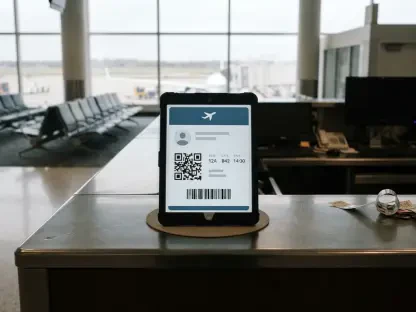
The assessment of the hospitality landscape through 2026 demonstrated that long-term success was contingent upon the seamless integration of human-centric values with modern operational demands. It was observed that organizations which prioritized the holistic health of their staff were better positioned to navigate the challenges of a competitive labor market. The implementation of technological solutions, such as digital keys and automated administrative upgrades, played a vital role in this strategy by allowing team members to move away from repetitive tasks. This shift enabled the workforce to focus on high-touch, meaningful human interactions that remained the primary differentiator in the luxury service sector. To sustain this trajectory, it was recommended that hospitality leaders continue to expand flexible working models like GoFlexi! to accommodate the evolving expectations of a mobile and diverse workforce. Furthermore, the data indicated that technical career paths and community engagement were no longer optional extras but essential components of a robust employer brand. By treating employee development as a core business metric, the most successful companies created a sustainable model for growth that benefited both the organization and the local communities it served. This approach established a new benchmark for the industry, suggesting that the future of hospitality would be defined by those who viewed their staff as their most valuable asset.