
The long-standing formula for hotel profitability, once reliably anchored to room occupancy rates, is now facing unprecedented strain from escalating operational and payroll costs. In this modern financial landscape, the traditional revenue streams are often insufficient to sustain healthy margins, pushing operators to look beyond the guest room for new income. This reality has created an urgent need for a strategic pivot away from a purely room-centric business model.
To ensure long-term financial health, industry leaders are increasingly adopting a holistic, revenue-per-square-meter strategy. This approach treats every part of the property—from the lobby to the parking lot—as a potential profit center. It is no longer enough to simply fill rooms; the imperative is to maximize the financial return on the entire physical footprint of the asset. This shift in perspective is fundamental to building a more resilient and profitable business.
This new era demands creativity and a willingness to innovate. The focus is on developing high-margin income streams by unlocking the latent potential of underutilized physical assets, capitalizing on unique location advantages, and extending services in unconventional ways. By exploring these hidden opportunities, hotels can build diversified revenue portfolios that are less susceptible to fluctuations in occupancy and better positioned for sustainable growth.
From Rooftops to Parking Lots Reimagining the Hotel Footprint for Maximum Gain
The Untapped Potential of Event Venues and Adaptable Spaces
The corporate events landscape has fundamentally changed, moving away from large-scale conferences toward smaller, more agile team meetings that often incorporate hybrid elements. This evolution presents a profitable niche for hotels, which can convert underused bedrooms into daytime meeting hubs. These spaces are ideal for focused strategy sessions or collaborative work, providing a high-value service with minimal operational adjustment.
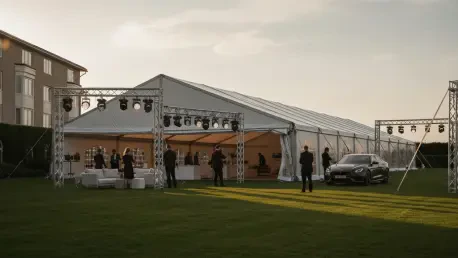
A particularly high-margin concept gaining traction is “dry hire,” where a venue or an empty plot of land is rented out to an event organizer without any bundled hotel services. This model allows clients to create fully bespoke experiences, such as product launches or themed parties, using their own suppliers. For the hotel, dry hire minimizes operational complexity and costs associated with catering and staffing, resulting in almost pure rental income.
A resilient event revenue portfolio effectively balances these different demand streams. By catering to both small-scale, high-frequency corporate meetings and large, custom-built events, hotels can create a steady and diversified income flow. This strategic mix ensures that revenue remains robust, whether it comes from a quick daytime booking or a multi-day exclusive event.
Elevating Earnings Transforming Rooftops into All-Weather Destinations
The idea that rooftop venues are only profitable in sun-drenched climates is an outdated assumption. Thriving, high-margin food and beverage operations in cities like London and Dublin prove that a spectacular view and unique ambiance can draw crowds year-round. These all-weather destinations leverage creative design, such as retractable roofs and heating systems, to become sought-after social hubs, driving significant ancillary revenue.
However, not all rooftops are suitable for public access due to their size, shape, or structural limitations. For these spaces, a compelling passive income opportunity exists in leasing them for telecommunications masts. Hotels often have the necessary infrastructure, like power and service ducts, already in place, making them ideal hosts. This arrangement generates steady, low-effort revenue from an otherwise dormant asset.
Furthermore, these commercial agreements can offer additional strategic benefits. By negotiating a “contra deal” with the telecommunications provider, a hotel can significantly reduce or even eliminate its own telephone service costs. This transforms the rooftop from a non-performing asset into a dual-purpose generator of both direct income and operational savings.
The Proximity Play Turning Event-Day Footfall into Direct Revenue
Hotels located near major stadiums, arenas, or convention centers are sitting on a goldmine of event-day footfall. This transient audience can be converted into direct revenue by hosting tailgate parties, setting up temporary marquees for hospitality, or operating external food trucks. These offerings capture spending from attendees who might not otherwise interact with the hotel, turning the property into a pre- and post-event destination.
To mitigate the initial setup costs of these temporary activations, hotels can pursue strategic branding partnerships. For example, a beverage company might fund the construction of a fan zone or beer garden in exchange for exclusive sales rights and prominent branding. This symbiotic relationship allows the hotel to generate revenue with minimal capital outlay while providing the partner with direct access to a captive audience.
The Sandymount Hotel in Dublin, adjacent to the Aviva Stadium, serves as an excellent case study. By curating tailored match-day hospitality packages, it has established itself as a go-to destination for sports fans. This targeted approach not only drives significant food and beverage sales but also builds brand loyalty, encouraging repeat business for future events and overnight stays.
Innovating Core Services and Embracing Niche Sporting Trends
Weddings have long been a lucrative part of the hotel business, but innovative operators are finding new ways to extend their value. The “Day 2” event strategy—offering a post-wedding barbecue, brunch, or casual party—is an increasingly popular way to capture additional high-margin revenue. Since the primary fixed costs are already absorbed by the main wedding event, the profitability of these add-on festivities is exceptionally high.
Beyond traditional services, savvy hotels are capitalizing on emerging global sporting trends. The rapid growth of padel, a racket sport combining elements of tennis and squash, presents a prime opportunity. Unused or underperforming tennis courts can be converted into multiple padel courts, often through low-capital partnerships with specialist operators who manage the installation and bookings.
The benefits of incorporating niche sports like padel are multifaceted. It attracts a new stream of local players who are likely to spend money at the hotel’s food and beverage outlets. It also creates a new pillar for marketing, enabling the development of complete sporting holiday packages that combine accommodation, coaching, and court time to drive room occupancy and attract a new guest demographic.
A Strategic Blueprint for Asset Monetization
The most impactful strategies for boosting profitability involve a fundamental re-evaluation of the hotel’s physical assets. This includes adapting versatile spaces to meet modern event demands, activating rooftops for either active F&B operations or passive rental income, and capitalizing on the natural footfall generated by a strategic location. These approaches transform underutilized areas into powerful revenue generators.
To begin this process, owners and asset managers should conduct a comprehensive property audit. This deep-dive analysis must identify every underperforming square meter, from overlooked land plots and service areas to storage rooms with conversion potential. The goal is to create a complete inventory of monetizable assets and brainstorm creative uses for each one.
Successful implementation, however, requires more than just a good idea. It is critically important to ensure diligent compliance with all local legislation, safety regulations, and insurance requirements for any new venture. Whether launching a rooftop bar or a temporary event space, thorough due diligence is non-negotiable to protect the business, its staff, and its guests.
Building a Resilient and Diversified Hospitality Future
Ultimately, hotels that successfully cultivate diversified income streams demonstrate superior financial performance. Their enhanced EBITDA and higher overall asset value make them more attractive to lenders and investors, which can lead to more favorable financing terms and reduced investment risk. This financial strength is a direct result of moving beyond a dependency on room rates.
In today’s economic climate, this strategic diversification is not just an opportunity—it is an imperative. Building a future-proof business model requires the resilience that multiple revenue sources provide. Such a model is better equipped to withstand market downturns, inflationary pressures, and shifting consumer demands, ensuring stability in a volatile industry.
The path to sustainable profitability lies in unlocking the hidden value that exists within every property. The call to action for industry leaders is clear: proactively re-evaluate every asset, from the ground to the roof. By creatively monetizing these dormant opportunities, hotels can secure their financial future and build a more robust and dynamic business.