
The silent choreography of a perfectly executed room turnover remains the most influential factor in securing guest loyalty and justifying premium nightly rates across the global lodging industry. In a world where digital reviews can elevate or dismantle a brand within hours, the physical condition of a guest room serves as the ultimate litmus test for operational integrity. This significance is not merely a matter of aesthetics; it is a complex intersection of chemistry, psychology, and logistical precision. As travelers demand higher levels of transparency regarding sanitation, the housekeeping department has transitioned from a back-of-house utility to the primary custodian of brand reputation. The modern hospitality landscape is currently defined by a hyper-focus on wellness and hygiene, where the absence of dirt is no longer sufficient. Instead, excellence is measured by the active presence of care, evidenced by the meticulous arrangement of every amenity and the invisible assurance that a space has been sanitized to medical-grade standards.
The Strategic Importance of Housekeeping in the Modern Hospitality Landscape
Housekeeping currently stands as the cornerstone of the hospitality industry, representing both the largest workforce within a property and the most significant driver of guest satisfaction. Within the broader market, which includes luxury resorts, midscale boutiques, and extended-stay properties, the quality of room care is the primary variable that determines whether a guest will return. Analysts have observed that a single negative experience regarding cleanliness creates a psychological snowball effect. When a guest encounters a strand of hair or a smudge on a mirror, their trust in the entire establishment evaporates, leading them to scrutinize the front desk, the food quality, and even the safety of the premises. This phenomenon makes housekeeping a binary outcome in the eyes of the consumer: a room is either perfectly clean or it is compromised. There is very little middle ground in the high-stakes environment of modern lodging.
The significance of this department is further reflected in quality assurance metrics, where housekeeping often accounts for a substantial portion of the total property score. For major market players, maintaining a high standard of cleanliness is a strategic hedge against the commoditization of hotel rooms. While amenities and decor can be replicated, the consistent delivery of a pristine environment requires a disciplined operational culture that is difficult for competitors to imitate. Furthermore, technological influences have begun to permeate this traditional sector, with property management systems now integrating directly with housekeeping modules to provide real-time updates. This connectivity allows for a more dynamic deployment of resources, ensuring that rooms are prioritized based on incoming guest profiles and departure schedules. As a result, the strategic role of the room attendant has evolved into that of a technician who must balance technical sanitation skills with an acute awareness of guest preferences and property standards.
Catalysts for Change and Market Projections in Guest Room Care
Emerging Trends in Sanitation and Personalized Guest Experiences
The industry is currently witnessing a fundamental shift in how cleanliness is executed and perceived, moving away from the superficial “sparkle” toward a deeper, more scientific definition of sanitation. One of the most prominent trends is the move away from harsh, bleach-based chemicals in favor of specialized disinfectants that prioritize surface safety and air quality. The focus has shifted to the concept of dwell time, where cleaning agents are allowed to sit on surfaces for specific durations to ensure the total eradication of pathogens. This methodical approach replaces the rapid wipe-down techniques of previous years, reflecting a more mature understanding of microbiology in the guest room environment. Moreover, the definition of excellence now includes the elimination of any psychological trace of a previous occupant. This includes the removal of forgotten items, such as stray charging cables or personal effects, which act as jarring reminders that the space was recently shared with strangers.
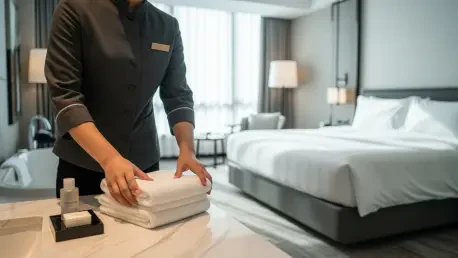
Personalization has also emerged as a critical driver of the housekeeping experience. Modern guests expect more than just a clean room; they seek an environment tailored to their specific habits and needs. This involves the proactive placement of extra towels for families or the arrangement of pillows according to a guest’s loyalty profile. Leading boutique properties have pioneered the use of intentional placement, where the precise alignment of remote controls, stationary, and toiletries signals a level of professionalism that reassures the guest of the room’s integrity. By recognizing these behavioral patterns, housekeeping departments are able to create a sense of belonging and exclusivity. This shift toward personalized care is facilitated by digital staging guides that ensure every room, regardless of its unique layout, meets a specific, photographed standard of excellence every single day.
Quantifying Excellence through Performance Indicators and Growth Forecasts
Market data suggests a robust growth trajectory for the hospitality cleaning sector as properties invest more heavily in staff retention and advanced sanitation technologies. Between the current period and the next two years, the global market for hotel housekeeping services is projected to expand significantly as labor costs and technological investments rise in tandem. Performance indicators have evolved to include more than just the number of rooms cleaned per shift. Key metrics now track the time spent on deep-cleaning cycles, the accuracy of inventory management, and the frequency of guest-requested re-cleans. By quantifying these variables, management can identify bottlenecks in the workflow and allocate labor more effectively during peak occupancy periods. This data-driven approach allows for more accurate budgeting and ensures that quality is not sacrificed for the sake of speed.
Future forecasts indicate that properties which prioritize high-quality in-house housekeeping will outperform those that rely on low-cost outsourcing. This trend is driven by a consumer base that is increasingly willing to pay a premium for guaranteed hygiene standards. As we move from 2026 to 2028, the industry expects to see a surge in the adoption of sustainability-focused indicators, measuring the reduction of water waste and the use of biodegradable cleaning agents. These metrics will become essential for hotels seeking green certifications, which are becoming a prerequisite for corporate travel contracts. The integration of these performance indicators into a holistic management strategy will be the hallmark of successful operators who understand that the health of the guest and the health of the business are inextricably linked.
Overcoming Operational Complexities and the Labor Shortage Crisis
The hospitality industry is currently navigating a period of unprecedented operational complexity, primarily driven by a persistent labor shortage in the housekeeping sector. This crisis has forced many properties to re-evaluate their relationship with their staff, moving away from viewing room attendants as interchangeable labor and toward seeing them as the heart of the house. The physical demands of the job, combined with the pressure to maintain high standards under tight deadlines, have historically led to high turnover rates. To combat this, innovative hotels are implementing comprehensive retention strategies that focus on both financial and emotional rewards. Digital tipping platforms have become a vital tool in this regard, allowing guests to provide gratuities in a cashless society. This shift has not only increased the total compensation for staff but has also served as a direct feedback loop that boosts morale and reinforces the value of their work.
Another strategy to overcome operational hurdles involves the restructuring of the cleaning process itself to reduce physical strain. The introduction of linen runners who handle the heavy lifting of stripping beds and delivering fresh towels allows room attendants to focus on the specialized tasks of cleaning and staging. Additionally, the replacement of heavy, traditional cleaning carts with lighter, more ergonomic mobile packs has improved efficiency and reduced the risk of workplace injuries. These small but significant changes demonstrate a management commitment to the well-being of the staff, which is essential for long-term retention. Furthermore, properties are increasingly choosing to maintain in-house teams rather than outsourcing to third-party contractors. While outsourcing may offer short-term cost savings, it often leads to a dilution of brand standards and a lack of accountability. An in-house team that feels a sense of ownership and pride in the property is far more likely to achieve the level of excellence required in the modern market.
Navigating the Regulatory Environment and Health Safety Standards
The regulatory landscape for hotel housekeeping has become increasingly stringent, with a focus on both worker safety and guest protection. Occupational health and safety standards now require more rigorous training on the handling of chemical agents and the ergonomics of manual labor. Compliance with these regulations is not just a legal necessity but a fundamental component of operational excellence. Hotels must maintain detailed records of training sessions and incident reports to ensure that they are meeting the highest standards of safety. In addition to government regulations, many properties are adhering to voluntary international standards that provide a framework for quality management and environmental responsibility. These standards often require third-party audits, which serve as a powerful validation of a hotel’s commitment to excellence.
Security measures have also become integrated into the housekeeping workflow. Room attendants are often the first to notice unusual activity or safety hazards within the guest corridors. As a result, modern training programs include modules on situational awareness and emergency response protocols. This expanded role ensures that the housekeeping department contributes to the overall security posture of the property, providing an additional layer of protection for guests and staff alike. Furthermore, the management of hazardous waste and the disposal of cleaning chemicals are subject to strict environmental regulations. Hotels that proactively adopt sustainable practices, such as the use of refillable amenity dispensers and concentrated cleaning solutions, are better positioned to navigate the evolving regulatory environment. This commitment to compliance and safety not only mitigates risk but also enhances the property’s reputation as a responsible and trustworthy establishment.
The Future Frontier: Automation and the Evolution of the “Heart of the House”
The future of housekeeping is being reshaped by a wave of technological innovation that promises to automate the most repetitive and physically demanding aspects of the job. Robotic floor cleaners and UV-C disinfection systems are already becoming common in large-scale properties, allowing human staff to focus on the high-touch areas that require a more nuanced approach. In the coming years, we can expect to see the introduction of automated bed-making systems and humanoid robotics capable of performing complex cleaning tasks with high precision. These advancements will not replace the human element of hospitality but will instead serve as a force multiplier, enabling staff to deliver a more personalized and aesthetic experience. The evolution of the heart of the house will be defined by a partnership between human intuition and machine efficiency.
Innovation is also occurring in the realm of inventory management and asset tracking. The use of RFID tags in linens and towels has transformed the way hotels manage their supply chains, providing real-time data on usage patterns and loss rates. This level of visibility allows for more accurate purchasing decisions and ensures that the property always has an adequate supply of high-quality textiles. As consumer preferences continue to shift toward wellness-oriented travel, we may see the emergence of rooms that monitor their own air quality and surface cleanliness, providing guests with real-time data through a mobile app. These technological disruptors will create new opportunities for growth and investment, particularly for properties that are early adopters of these advanced systems. The future of housekeeping excellence will ultimately belong to those who can successfully integrate these technologies into a service culture that remains deeply rooted in human care and attention to detail.
Synthesis of Best Practices for Sustainable Operational Success
The pursuit of excellence in housekeeping was defined by a shift toward scientific protocols and a renewed focus on the human experience. Industry leaders demonstrated that the most effective way to maintain high standards was to treat the housekeeping department as a strategic asset rather than an operational burden. By investing in mentorship-based training and phased workloads, properties ensured that new hires were properly equipped to handle the complexities of the modern guest room. The adoption of guest immersion inspections, where management teams stayed in their own rooms to experience the property from a visitor’s perspective, became a gold standard for identifying functional deficiencies that might otherwise go unnoticed. This proactive approach fostered a culture of continuous improvement and accountability that resonated throughout the entire organization.
The integration of digital tipping and ergonomic equipment proved to be essential for stabilizing the workforce during a period of labor volatility. Operators who prioritized the physical and financial well-being of their room attendants were able to achieve higher retention rates and more consistent quality scores. Moving forward, the industry must continue to embrace automation as a tool for enhancing, rather than replacing, the human touch. The most successful hotels will be those that use technology to eliminate the drudgery of cleaning while empowering their staff to act as artisans of the guest environment. By focusing on the intentional placement of every item and the scientific validation of every sanitized surface, the hospitality sector can build a foundation of trust that will sustain its growth for years to come. Investing in these best practices is not merely an operational choice; it is a commitment to the enduring value of genuine hospitality.