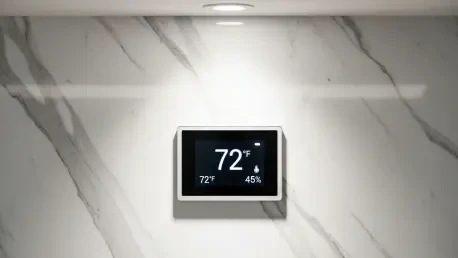

A weary traveler’s first true encounter with a hotel’s standard of service occurs the exact moment they cross the threshold of their room and inhale the calibrated atmosphere. This sensory introduction precedes the tactile luxury of high-thread-count linens or the visual impact of a breathtaking skyline view, as the human body instantly registers the delicate balance of temperature and humidity. In the competitive landscape of modern hospitality, where guest reviews can make or break a brand’s reputation overnight, the climate control system serves as the silent protagonist of the guest experience. When a room feels like a stagnant greenhouse or a dry, frigid vault, the most expensive interior design choices lose their luster. Hoteliers must therefore recognize that an investment in advanced air systems is not merely a utility expense but a fundamental pillar of guest satisfaction and operational excellence.
Beyond the Lobby: Why First Impressions Are Often Defined by Air Quality
The psychology of a guest’s arrival is deeply rooted in physical comfort, and nothing disrupts the transition from a long journey more abruptly than a room with poor air quality. While a beautifully designed lobby may dazzle the eyes, the actual stay happens in the confined environment of a guestroom where air circulation is paramount. Odors associated with stagnant air or excessive moisture often suggest a lack of cleanliness, even if the room is spotless. This phenomenon places a heavy burden on the heating, ventilation, and air conditioning (HVAC) infrastructure to perform flawlessly from the moment a keycard activates the lights. If the system cannot purge the “closed-room smell” or reach a comfortable temperature within minutes, the guest’s perception of the entire property begins to sour, often leading to immediate requests for room changes or lingering dissatisfaction expressed in public forums.
Beyond the immediate sensory impact, the quality of the air inside a hotel room influences the physiological well-being of its occupants. Proper humidity levels are essential for skin comfort and respiratory ease, particularly for travelers who may already be dehydrated from flying. A system that over-cools without removing moisture creates a damp, chilly atmosphere that is notoriously difficult to sleep in. This “cold and clammy” sensation is frequently the result of improperly sized equipment that cycles off before it can effectively treat the humidity. Consequently, the air quality becomes a surrogate for the hotel’s overall attention to detail. A property that masters its internal climate signals to the guest that their comfort is a top priority, fostering a sense of security and relaxation that is the hallmark of true hospitality.
In the contemporary market, the definition of air quality has expanded to include both thermal comfort and psychological peace of mind. Modern guests are more attuned to the sounds of their environment than ever before. An HVAC unit that kicks on with a loud clatter or hums with an inconsistent frequency can be as disruptive as a noisy neighbor in the hallway. Achieving a whisper-quiet operation is now a baseline expectation in the luxury and upper-midscale segments. When a hotel manages to deliver a perfectly temperate room with zero audible intrusion, it creates a “stealth luxury” experience. This invisible excellence is what allows a guest to wake up refreshed, unaware of the complex engineering working behind the scenes to maintain their sanctuary.
The High Stakes of Hospitality Climate Control
Selecting an HVAC system for a hotel is a high-stakes endeavor that requires balancing the immediate needs of the guest against the long-term financial health of the property. The operational costs associated with heating and cooling typically represent the largest portion of a hotel’s utility budget, making efficiency a primary concern for owners and asset managers. However, prioritizing energy savings at the expense of guest comfort is a short-sighted strategy that often leads to decreased occupancy and lower RevPAR. The challenge lies in finding a system that can handle the extreme variability of a hotel’s occupancy patterns, where a wing might be full one night and empty the next, without wasting energy on unoccupied spaces.
The architectural integrity of the building also plays a significant role in this decision-making process. Retrofitting an older, historic hotel with modern ductwork can be a nightmare of structural constraints and aesthetic compromises. Conversely, new builds offer the opportunity to integrate systems into the very bones of the structure, but even then, floor-to-ceiling heights and window placements can dictate which technologies are viable. A poorly chosen system might require unsightly soffits that lower ceiling heights or noisy exterior units that ruin the ambiance of a balcony. Designers and engineers must work in tandem to ensure that the climate control hardware does not clash with the vision of the architects or the comfort of the end-user.
Furthermore, the environmental impact of these systems has become a central focus for stakeholders and eco-conscious travelers. As global temperatures fluctuate more wildly, HVAC systems must be resilient enough to handle record-breaking heat waves while remaining environmentally responsible. The transition toward low-GWP (Global Warming Potential) refrigerants and the implementation of sophisticated energy management systems are no longer optional “green” add-ons; they are necessary components of a modern hotel’s infrastructure. Failing to account for these shifts can lead to premature obsolescence of the equipment or a failure to meet local energy compliance regulations, both of which carry significant financial penalties.
Navigating the Primary HVAC Technologies in Hospitality
The landscape of hospitality HVAC technology is dominated by a few key players, each offering specific benefits and drawbacks based on the hotel’s scale and target market. The Packaged Terminal Air Conditioner, or PTAC, remains a staple in budget and mid-scale hotels due to its simplicity and low initial cost. These units are self-contained and installed through a wall sleeve, making them incredibly easy for general maintenance staff to service or replace. If a unit fails, a fresh one can be swapped in under thirty minutes, ensuring that a room is never out of service for long. However, the proximity of the compressor to the guest’s bed remains a major drawback, as the noise levels can be significant. Additionally, PTACs are often criticized for their lack of precise humidity control, which can lead to the aforementioned dampness in humid climates.
In contrast, Variable Refrigerant Flow (VRF) systems have become the gold standard for high-end and luxury properties where quietude and precision are non-negotiable. VRF technology allows for multiple indoor units to be connected to a single outdoor condenser, providing individualized climate control for every room. The system varies the flow of refrigerant to meet the exact demand of each space, which results in incredible energy efficiency. Perhaps the most impressive feature of VRF is its ability to perform “heat recovery,” where it captures heat removed from one room and transfers it to another that requires heating. This simultaneous heating and cooling is perfect for hotels with varying solar orientations, where the sunny side of the building needs cooling while the shaded side requires warmth.
Beyond these two extremes, other regional and architectural solutions like Water Source Heat Pumps (WSHP) and Fan Coil Units (FCU) fill the gap. Water Source Heat Pumps are particularly popular in urban high-rises because they use a water loop to transfer energy, eliminating the need for bulky exterior wall vents that can ruin a glass facade. They are efficient and reliable, though they do require a centralized boiler and cooling tower system to maintain the water loop’s temperature. Fan Coil Units are often relegated to common areas and large suites where they can be hidden behind decorative grilles. While these systems vary in their mechanical execution, the goal remains the same: delivering a consistent, quiet, and comfortable environment that enhances the guest’s perception of the brand.
The Evolution of Air Quality as a Luxury Amenity
Air purity has transitioned from a technical specification to a primary luxury amenity that hotels now use as a key marketing differentiator. In a world increasingly concerned with wellness and health, guests are looking for more than just a cool room; they want air that is actively scrubbed of allergens, pollutants, and microbes. Luxury brands are responding by integrating advanced filtration systems, such as HEPA filters and UV-C light sterilization, into their standard room configurations. These technologies ensure that the air being recirculated in the room is of the highest possible quality, reducing the risk of illness and providing a noticeable freshness that guests can actually feel.
Some forward-thinking properties are now taking this a step further by installing real-time air quality monitors in guestrooms. These devices provide guests with a digital dashboard showing levels of volatile organic compounds, particulate matter, and CO2. This transparency transforms air quality from an invisible utility into a tangible service, reinforcing the hotel’s commitment to the guest’s health. However, providing high-quality fresh air is an energy-intensive process, as outside air must be filtered, cooled, and dehumidified before entering the room. To manage this cost, many hotels are adopting demand-controlled ventilation, which uses sensors to detect occupancy and adjust the fresh air intake accordingly, ensuring that energy is never wasted on an empty suite.
Furthermore, the integration of bipolar ionization technology has gained traction as a way to neutralize odors and airborne pathogens without the need for high-pressure filters that can strain the HVAC motors. This technology works by releasing ions into the airstream that attach to and neutralize particles, making them easier to trap or causing them to fall out of the air. When combined with traditional filtration, these systems create a holistic approach to “wellness air” that appeals to the lucrative health-conscious traveler segment. As these technologies become more affordable, the expectation for purified air is likely to trickle down from the luxury tier to more mainstream hotel categories, making air quality a universal benchmark for hospitality.
A Strategic Framework for Selection and Longevity
Ensuring that a hotel’s HVAC system remains an asset rather than a liability requires a disciplined approach to selection and a rigorous commitment to maintenance. When evaluating whether to repair an aging unit or replace it entirely, savvy owners often apply the fifty percent rule: if a repair cost exceeds half the price of a new, more efficient model, replacement is the more prudent path. Newer units often boast significantly higher energy efficiency ratings, meaning the capital expenditure can be recouped through lower utility bills in just a few years. Furthermore, installing new equipment reduces the risk of catastrophic failure during peak season, which can result in lost revenue and lasting damage to the hotel’s reputation.
A multi-tiered maintenance routine is the lifeblood of system longevity, beginning with the frontline housekeeping staff. Simple tasks, such as vacuuming intake grilles and checking for obstructed vents, can prevent the unit from overworking and burning out prematurely. On a technical level, quarterly or semi-annual inspections by professional HVAC technicians are essential to verify refrigerant levels, clean condenser coils, and ensure that drainage systems are free of algae and mold. Neglecting these basic steps can lead to “dirty sock syndrome,” a persistent and unpleasant odor caused by bacterial growth on the coils that is notoriously difficult to eradicate once it takes hold. By treating the HVAC system as a vital organ of the building, management can extend its operational life well beyond the industry average.
The financial logic of HVAC selection must also align with the owner’s intended hold period for the property. For a developer looking to sell a hotel within three to five years, the lower upfront cost of PTAC systems might seem attractive. However, for a long-term owner looking at a ten-to-twenty-year horizon, the superior durability and efficiency of a VRF or centralized system offer a far higher return on investment. The decision-making process shifted from looking purely at the purchase price to considering the total cost of ownership, including energy consumption, maintenance labor, and the potential impact on guest satisfaction scores.
The hospitality industry recognized that the air guests breathe was just as important as the beds they slept in or the food they ate. Strategic investments in climate technology allowed properties to maintain a competitive edge while safeguarding their bottom line against rising energy costs. Maintenance teams implemented strict protocols that preserved equipment health, and designers integrated these systems so seamlessly that they became an invisible part of the luxury experience. Forward-thinking owners used these systems to promise a healthier, more controlled environment, ensuring that every guest stay was defined by comfort rather than distraction. This holistic view of building systems moved the sector toward a future where operational efficiency and guest well-being were no longer at odds, but rather two sides of the same successful coin.