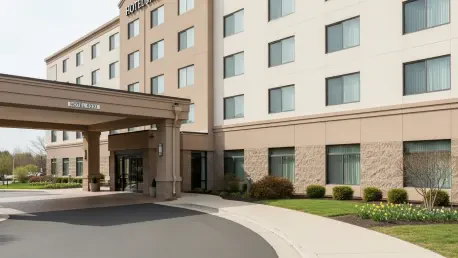

As the transition from winter into the spring season accelerates across the North American continent throughout 2026, the hospitality sector faces an increasingly erratic meteorological landscape characterized by sudden atmospheric shifts and intense local storms. These events do more than just disrupt the picturesque views from a guest room window; they create complex logistical bottlenecks, jeopardize guest safety, and strain the structural integrity of multi-million dollar property investments. Proactive management in the hospitality sector now requires a sophisticated understanding of localized weather patterns and a commitment to rigorous preventative strategies that go beyond simple facility maintenance. Without a comprehensive framework for resilience, a single weather event can lead to prolonged closures, massive insurance claims, and long-term damage to a brand’s reputation in an incredibly competitive market. Effective preparation must be viewed as a foundational business strategy rather than an optional seasonal task.
Developing a robust response to the unpredictability of spring weather involves a multifaceted approach that addresses both immediate physical threats and long-term operational stability. The central theme of modern hotel management is the integration of advanced weather monitoring with a structured recovery plan to ensure that every guest remains safe and every asset remains protected. By treating storm preparedness as a core competency, hotel operators can minimize the downtime that typically follows severe weather incidents. This proactive stance allows for a faster return to normalcy, preserving the revenue streams that are vital during the busy spring travel window. Success in this area is ultimately determined by the foresight to identify vulnerabilities before the clouds gather, ensuring that when the environment turns hostile, the property remains a secure sanctuary for both travelers and employees. This detailed exploration examines the specific measures necessary to mitigate risks during this volatile time.
Strengthening Infrastructure Through Preventive Maintenance
The primary line of defense against the elements begins with the mechanical and structural health of the building, which must be assessed well before the arrival of the first spring thunderstorms. High-performance HVAC systems, which are often pushed to their limits by fluctuating temperatures, require comprehensive inspections to ensure that drainage lines are clear and filters are replaced to handle increased pollen and debris. Similarly, chimneys and exhaust vents must be professionally cleaned to remove soot or nesting material that could present fire hazards during sudden late-season cold snaps. Ensuring that backup generators are not only fueled but also tested under load is a critical step in maintaining life-safety systems during power outages. These mechanical checks prevent the compound failures that often occur when extreme weather places additional stress on neglected equipment. Regular maintenance schedules established in the final weeks of winter provide a buffer against the technical breakdowns that can ruin the guest experience during a storm.
Beyond the internal mechanics, the physical envelope of the hotel requires a meticulous review to prevent water intrusion, which remains the leading cause of property damage during the spring months. Developing a formal Flood Emergency Response Plan is no longer an optional endeavor but a necessity for properties located in regions prone to heavy rainfall or rapid snowmelt. This plan should include the procurement of high-quality barriers and the identification of low-lying areas that require sandbagging or specialized pumping equipment. A vital component of this strategy involves establishing pre-storm relationships with reputable claims service providers and restoration contractors. By securing these partnerships in advance, hotel operators can bypass the post-disaster shortage of professional labor and equipment that typically occurs when a region is hit by a widespread storm. Having a designated priority service agreement ensures that remediation begins hours after the event, significantly reducing the risk of mold growth and structural decay.
Navigating Crisis With Leadership and Staff Support
When a weather event occurs, the focus of the property management team must immediately transition from structural protection to visible, empathetic leadership and clear guest communication. In moments of crisis, guests look to the hotel staff for reassurance and accurate information regarding travel delays, local safety alerts, and the status of on-site amenities. Managers who maintain a visible presence in common areas during a storm can effectively de-escalate anxiety and provide real-time updates that digital platforms might miss. This human-centric approach is augmented by the use of internal communication systems that can broadcast safety instructions to every guest room simultaneously. Transparent communication regarding the property’s limitations during a storm, such as reduced dining hours or closed recreational facilities, helps manage expectations and maintain guest satisfaction. By prioritizing the human element of the stay, a hotel can turn a potentially negative weather event into a demonstration of superior service and reliability.
Equally important to the success of any emergency response is the management of human capital and the welfare of the hotel’s workforce during and after the storm. Employees often face the same challenges as guests, including property damage at home or childcare issues caused by school closures, which can impact their ability to report for duty. Successful hotel operators implement flexible scheduling and provide temporary on-site housing for essential staff to ensure that the property remains fully operational without overextending the team. Ensuring salary stability and offering emotional support to staff members who have been personally affected by severe weather fosters a culture of loyalty and resilience. This investment in the workforce pays dividends during the recovery phase, as a motivated and supported team is more likely to go above and beyond to restore the property to its peak condition. A compassionate personnel management strategy ensures that the hotel remains a cohesive unit, capable of handling the logistical demands of a rapid cleanup and a return to service.
Establishing Strategic Recovery and Future Resilience
The effectiveness of any weather preparedness strategy was historically measured by the speed and efficiency with which a property could resume full operations following a disaster. Successful hotel groups implemented detailed post-event protocols that prioritized immediate water extraction and the rapid sealing of any breaches in the building’s exterior. These organizations recognized that every hour of downtime represented not only a loss of revenue but a potential shift in guest loyalty toward competitors who remained operational. By documenting every step of the recovery process, management teams were able to provide insurance adjusters with the comprehensive data needed to expedite claims and secure necessary rebuilding funds. This systematic approach to recovery ensured that the physical damage remained a temporary setback rather than a permanent financial drain. The emphasis was placed on returning the guest experience to its pre-storm quality with minimal visible evidence of the meteorological challenges the property had recently endured.
Moving forward through the remainder of 2026, the focus for the hospitality industry should shift toward the integration of smart building technologies that provide real-time data on structural health and environmental conditions. Future considerations must include the installation of advanced sensor arrays that can detect moisture levels in walls or predict roof failures before they become catastrophic. Actionable steps for hotel owners involve auditing current emergency supplies and expanding the scope of staff training to include crisis management simulations tailored to specific regional weather threats. It is also advisable to review and update insurance policies to ensure they reflect current property values and the specific risks associated with evolving climate patterns. By combining traditional physical maintenance with cutting-edge monitoring and a renewed focus on personnel welfare, hotels can build a lasting framework for resilience. This proactive evolution ensures that the unpredictability of spring weather becomes a manageable variable rather than an existential threat to the business.