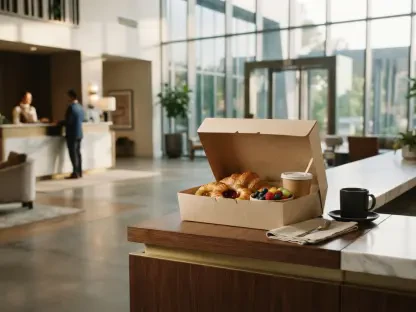

Stepping into a luxury hotel lobby often provides a sense of immediate tranquility, yet the invisible vulnerabilities of transient living spaces can compromise even the most seasoned traveler’s safety. While modern hospitality brands invest heavily in aesthetic appeal and high-end amenities, the practical aspects of personal security are frequently left to the discretion of the individual guest. In the current landscape of 2026, where digital room keys and automated check-ins have become the standard, the potential for technical malfunctions or social engineering remains a persistent concern. Understanding how to navigate these environments requires more than just locking the door behind oneself; it demands a comprehensive strategy that begins before the reservation is even confirmed. By adopting a professional mindset toward situational awareness and physical security, anyone can transform a standard hotel stay into a well-fortified temporary residence that prioritizes peace of mind above all else.
1. Selecting High-Quality Establishments and Coordinating Arrival Times
When selecting a hotel, the focus should extend beyond aesthetic appeal or proximity to landmarks, placing a premium on established security infrastructure and verifiable safety records. Travelers should rely heavily on detailed analysis, scanning guest reviews for specific mentions of hallway lighting, the presence of security personnel, and the effectiveness of keycard-restricted elevators. It is essential to prioritize properties that demonstrate a commitment to safety through the integration of visible surveillance systems and restricted entry points that prevent non-guests from wandering into residential corridors. A well-regarded hotel often maintains a transparent relationship with its guests regarding security, providing information about 24-hour monitoring and on-site emergency response teams. Furthermore, investigating the surrounding neighborhood through digital maps and crime rate statistics can reveal whether the immediate environment poses additional risks after sunset.
Timing the arrival at a hotel is a critical factor that often goes overlooked during the trip planning process. Arriving during daylight hours is highly recommended because it ensures that a full staff is available to assist with the check-in process and address any immediate concerns. Lobbies are generally busier during the day, which makes it much harder for unauthorized individuals to loiter unnoticed or follow a guest to their room. Increased visibility allows a traveler to maintain better situational awareness, making it easier to spot potential hazards or suspicious behavior in the parking lot or entrance areas. When arriving after dark, staffing levels are frequently reduced, and the relative isolation of hallways can create an environment where security lapses are more likely to occur. By scheduling check-ins for earlier in the afternoon, guests can settle in and familiarize themselves with the property layout while the environment is most active.
2. Strategic Room Placement and Establishing Presence
The physical location of a room within a hotel building plays a significant role in determining the overall safety profile of the stay. Requesting a room on a higher level, specifically between the second and sixth floors, provides a tactical advantage that balances security with emergency accessibility. Ground-floor rooms are often the easiest targets for external intruders due to their proximity to windows and parking areas, making them less desirable for safety-conscious individuals. However, staying too high in a skyscraper can be problematic if local fire departments do not have ladders long enough to reach the upper stories in an emergency. The second through sixth floors typically provide enough height to deter casual trespassers while remaining within the reach of standard emergency response equipment. This “Goldilocks zone” of room placement offers the best probability of maintaining security against human threats and safety during structural crises.
Establishing a psychological and physical presence within the room is another expert technique used to discourage unwanted attention. Even when traveling alone, asking the front desk for a pair of room keys can create the impression that the room is occupied by more than one person. This small adjustment in behavior suggests to staff or onlookers that an individual is part of a larger group, which can be a significant deterrent for those looking for vulnerable solo targets. Additionally, having a secondary key provides a necessary backup in the event that the primary electronic card experiences a magnetic failure or is lost during daily activities. This redundancy prevents the need for unnecessary trips to the front desk late at night, where one might have to disclose their identity and room information in a public setting. It is these subtle, proactive habits that collectively build a layer of protection around a guest’s temporary home.
3. Maintaining Digital Privacy and Performing Physical Inspections
Maintaining confidentiality regarding a room’s specific location is a cornerstone of professional travel security that must be practiced from the moment of check-in. Guests should request that front desk personnel write down the room number on a keycard sleeve rather than announcing it verbally for anyone in the lobby to hear. This prevents potential eavesdroppers from identifying exactly where a traveler is staying, reducing the risk of targeted harassment or theft. Discretion should also extend to the digital world, where the temptation to share real-time updates on social media is high. Posting photos of room views or tagging the hotel location while still on-site can provide an open invitation for bad actors to track a person’s movements. It is far safer to wait until after checking out to share the details of a trip, ensuring that a person’s physical location remains unknown to the public throughout the duration of their stay.
Once inside the room, performing a comprehensive safety sweep is the first order of business before unpacking or relaxing. This process involves a systematic check of all potential hiding spots, such as large closets, behind heavy curtains, and even under the bed frame, to ensure the room is truly vacant. Modern travelers should also be aware of the technological landscape and briefly scan for any unusual objects that might house hidden recording devices, particularly near mirrors or charging ports. Testing the internal communication system is equally vital; picking up the room phone to verify a dial tone ensures that help can be summoned quickly if a mobile device fails or has no signal. Locating the nearest fire exit and counting the doors between the room and the staircase provides a mental map that is indispensable in a low-visibility situation, such as a smoke-filled hallway or a sudden power outage.
4. Implementing Entry Protocols and Using Portable Hardware
Effective door security involves more than just letting the automatic latch click into place when entering or leaving the room. The moment the door is closed, all available physical barriers, including the deadbolt and the security chain or swing latch, should be fully engaged to prevent unauthorized entry. Relying solely on electronic locks can be risky, as these systems are occasionally vulnerable to master keys or sophisticated digital bypass tools used by those with malicious intent. If someone knocks on the door claiming to be part of the hotel staff, it is standard practice to keep the door closed and call the front desk to confirm the identity of the person and the nature of their visit. Legitimate employees will always understand this level of caution and will wait for verification before proceeding with their duties. This protocol ensures that no one gains access to the living space under false pretenses, regardless of the uniform they might be wearing.
Supplementing a hotel’s existing security with personal hardware provides an extra layer of defense that is entirely under the control of the guest. Portable security tools, such as heavy-duty door wedges with built-in alarms or travel-specific locks, can stop a door from being opened even if someone has a functional keycard. These devices are particularly useful for older properties where door frames might be less secure or where the gap between the door and the floor is significant. Using a door wedge not only provides a physical block but also emits a high-decibel sound if the door is pushed, alerting the occupant and likely scaring off an intruder. These tools are lightweight and easy to pack, making them an essential part of a safety-oriented travel kit. By taking ownership of the room’s perimeter with these supplemental devices, a traveler ensures that their personal safety is not dependent on the hotel’s maintenance standards alone.
5. Securing Personal Assets and Responding to Intuitive Warnings
Managing valuable items is a critical component of room security that requires consistent discipline throughout the entire duration of the trip. Cash, electronics, and important documents should be stored in the hotel safe whenever they are not in use, rather than being left out on desks or in bedside drawers. Before trusting a safe with valuable items, it is important to set a unique combination and test the mechanism several times to ensure it locks and unlocks reliably. If the safe appears tampered with or is not bolted securely to a fixed part of the furniture, it is better to keep valuables on one’s person or explore alternative hidden storage options. Maintaining a mental inventory of belongings and keeping them organized helps a traveler quickly notice if something has been moved or is missing. This proactive management of assets significantly reduces the likelihood of “crimes of opportunity” that can occur during routine room cleaning.
The final and perhaps most important element of securing a hotel room is the willingness to listen to intuition and act when something feels incorrect. If a room assignment seems isolated, or if the property features broken locks and poorly lit common areas, a guest should not hesitate to request a change or relocate to a different hotel entirely. Reporting suspicious incidents or safety concerns to the management is not just about personal protection; it also helps the hotel identify and fix systemic vulnerabilities that could affect other guests. A professional traveler understands that no discount or convenience is worth compromising their physical safety. If an environment triggers a sense of unease, that feeling is often a subconscious reaction to subtle red flags that should never be ignored. Maintaining the flexibility to change plans in response to safety concerns is a hallmark of an expert traveler who prioritizes their well-being above the logistics of the trip.
Final Steps for Long-Term Travel Security
The implementation of these expert security measures ensured that the travel experience remained focused on the intended purpose rather than safety concerns. Proactive travelers successfully reduced their exposure to theft and intrusion by adhering to rigorous protocols that addressed both physical and digital vulnerabilities. The historical shift toward automated hospitality services necessitated a more hands-on approach to personal protection, which was achieved through the use of supplemental hardware and tactical room selection. These strategies provided a consistent framework for safety across different types of lodging, from boutique hotels to large-scale international chains. By treating each stay as a unique security environment, individuals moved beyond passive reliance on institutional measures and took command of their own surroundings.
Moving forward, the integration of personal safety habits will remain a vital skill for anyone navigating the complexities of modern travel. Travelers were encouraged to maintain their situational awareness and continue refining their security kits as new technologies emerged in the hospitality sector. Regular audits of one’s own travel gear and the adoption of updated safety information became standard practices for those who sought to minimize risk. Ultimately, the lessons learned from securing a temporary residence contributed to a more confident and resilient approach to exploration. Maintaining a high standard for security was not merely a reaction to specific threats, but a proactive lifestyle choice that enhanced the quality of every journey taken.