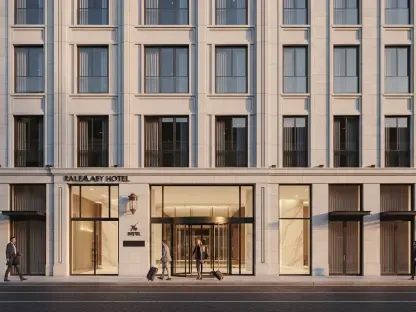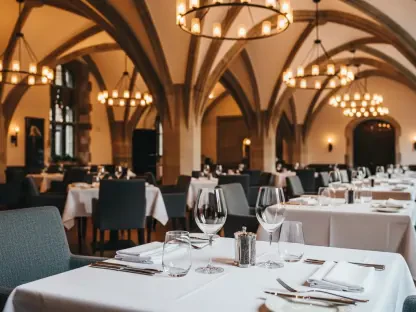

The acquisition of a twenty-two-room coastal gem near the pristine waters of Shaw’s Cove represents a masterclass in modern hospitality expansion where architectural pedigree meets surgical precision. Common Thread Hotels, in a strategic partnership with PRG Investment & Management, recently finalized the purchase of Hotel Joaquin in Laguna Beach. This milestone marks the tenth property in a rapidly growing portfolio, signaling a shift away from the generic hospitality of the past toward a model that prioritizes the intrinsic value of a location and its existing design.
The Strategic Expansion of a Boutique Powerhouse
The recent acquisition of Hotel Joaquin in Laguna Beach represents more than just a portfolio addition; it signifies a calculated move to dominate the high-end coastal market. With the ink barely dry on its tenth property deal, Common Thread Hotels is proving that luxury is less about standardized corporate playbooks and more about securing rare, irreplaceable assets. This momentum reflects a broader ambition to curate a collection of stays that feel deeply rooted in their specific geographic identity.
By targeting properties that already possess a strong sense of place, the firm avoids the pitfalls of over-expansion. Each acquisition is treated as a unique entity rather than a carbon copy of a central brand. This philosophy allows the company to scale without diluting the boutique charm that affluent travelers crave. The result is a network of properties that feel like a curated gallery of California’s most desirable neighborhoods.
Why Coastal California Remains the Ultimate Luxury Frontier
Laguna Beach serves as a microcosm for the enduring appeal of the California coastline, remaining one of the premier leisure destinations in the United States. While consumer trends shift, the demand for exclusive, design-forward boutique experiences in prime geographical locations continues to outpace supply. Common Thread’s aggressive scaling in this region addresses a growing appetite for hospitality that blends high-quality aesthetics with the natural prestige of the Pacific coast.
Furthermore, the scarcity of available land in these coastal enclaves creates a natural barrier to entry for competitors. Investing in this region is not just a hospitality play; it is a real estate strategy focused on long-term appreciation. As more travelers seek meaningful connections with nature and local culture, the value of these coastal outposts continues to rise, rewarding those who secured their positions early.
Defining the Common Thread Strategy: Acquisition vs. Development
Analyzing why the proximity to Shaw’s Cove makes Hotel Joaquin a design-forward asset reveals a preference for properties that require no further physical renovation. Unlike the intensive overhaul seen at Casa Laguna Hotel & Spa, this move emphasizes immediate operational optimization. By acquiring a property already refined by designer Robert McKinley, leadership bypassed the construction phase to focus entirely on the guest experience and revenue management.
The transition of Hotel Joaquin from Auric Road to Common Thread also highlights a divergence in market focus. While the seller pivots toward historic resorts and ranch-style wellness, Common Thread is doubling down on the specific allure of the California coast. This clarity of vision extends to upcoming projects, including the pre-development of an eleventh property in Paso Robles and the anticipated opening of Herons Lodge in Carmel-by-the-Sea.
Industry Perspectives on Boutique Scaling and Market Shifts
The move signals a clear transition in the regional hospitality landscape as specialized firms like Auric Road shift toward historic resorts while Common Thread consolidates its presence in the boutique niche. Industry experts note that the ability to acquire a property like Hotel Joaquin allows a firm to capitalize on a multimillion-dollar redesign without the associated downtime. This strategy enables leadership to focus exclusively on enhancing guest experiences from day one.
In contrast to large-scale hotel chains, this boutique scaling model relies on the agility of the management team. The focus is on maintaining high occupancy rates through localized marketing and impeccable service standards. By proving that a small-scale property can deliver institutional-grade returns, Common Thread is attracting significant attention from the broader investment community looking for diversified luxury assets.
The Blueprint for Scaling Unique Hospitality Assets
Prioritizing architectural integrity became a cornerstone of this growth model, as seeking out properties with established design pedigrees reduced the need for capital-intensive overhauls. By targeting markets with high barriers to entry, the firm ensured that each asset remained protected from market oversaturation. This focus on scarcity allowed the brand to maintain a premium price point even during broader economic fluctuations.
Streamlining the integration process allowed newly acquired properties to align with brand standards without losing their individual character. Leadership implemented specialized management systems that optimized performance while preserving the local soul of the hotel. Ultimately, the successful scaling of these unique assets provided a roadmap for future ventures into other high-demand regions, ensuring that the essence of coastal luxury was both preserved and expanded.